
Modular Kitchen Design: How to Get the “Luxury Showroom” Look on a Carpenter’s Budget
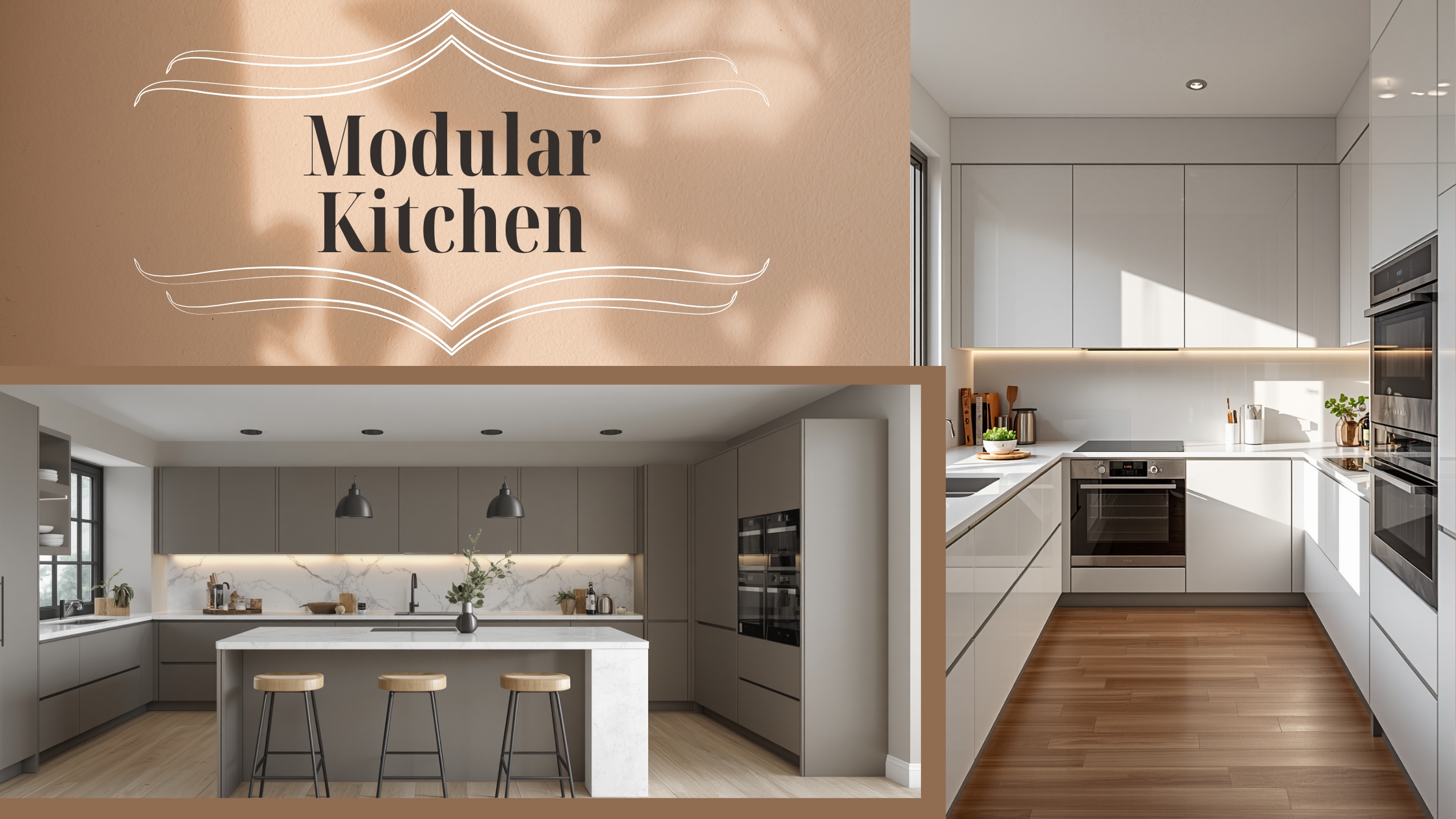
Modular Kitchen Design is not about expensive imported finishes or celebrity-home budgets. The distinction is functional efficiency, material engineering, and execution quality — not decorative branding. Unfortunately, many homeowners misunderstand this and end up overspending on carpenter-made kitchens that look outdated within a few years. Others sacrifice storage optimization, workflow planning, and durability while chasing a “luxury” appearance.
This guide explains how homeowners in Patna and similar urban markets can achieve a luxury modular kitchen design without luxury-level spending. Moreover, it breaks down the real differences between carpenter-made kitchens and modular systems, helping buyers make smarter renovation decisions in 2026.
What 2026 Data Reveals About Modular Kitchen Design
According to the India Kitchen & Wardrobe Market Report by IMARC Group, India’s modular kitchen market is projected to grow at over 20% CAGR through 2028 due to rising urban housing demand and smart-home adoption. This growth indicates that homeowners now prioritize long-term efficiency over temporary low-cost carpentry solutions.
Meanwhile, a 2025 Houzz Kitchen Trends Survey revealed that 68% of homeowners preferred customized kitchen cabinets with integrated storage systems over traditional carpenter-built layouts. The reason is simple: modular systems maximize utility while reducing maintenance issues.
Additionally, research from Statista shows that Indian homeowners increasingly invest in space-saving kitchen solutions because apartment sizes continue shrinking in metro and Tier-2 cities. As a result, every square foot now directly impacts property usability and resale value.
For buyers, this means one thing: choosing the right modular kitchen interiors today affects functionality, maintenance cost, and property appeal for years.
What Modular Kitchen Design Actually Covers
| Phase / Feature | What It Specifically Covers |
|---|---|
| Space Planning | Kitchen workflow planning for movement efficiency |
| Cabinet Systems | Customized kitchen cabinets with modular units |
| Material Selection | PVC, plywood, MDF, acrylic, laminate selection |
| Storage Optimization | Pull-outs, corner units, pantry systems |
| Countertop Integration | Granite, quartz, marble compatibility |
| Appliance Planning | Chimney, hob, oven, dishwasher positioning |
| Lighting Design | Under-cabinet and task lighting setup |
| Ventilation Strategy | Heat and moisture management |
| Finish Selection | Modern kitchen aesthetics and luxury textures |
| Installation & Maintenance | Factory-built assembly with service support |
A professionally planned modular kitchen design combines aesthetics, storage efficiency, durability, and operational convenience. Unlike traditional carpentry, modular systems are engineered for consistency, faster installation, and future scalability.
Furthermore, affordable modular kitchen design options now allow homeowners to replicate high-end showroom styles without importing premium European systems.
The Gap Nobody Is Talking About
Most homeowners assume carpenter-made kitchens are cheaper. Initially, that appears true. However, the hidden costs emerge later.
Traditional carpenter kitchens often lack moisture-resistant materials, precision fitting, and standardized measurements. Consequently, cabinet swelling, uneven alignment, and storage inefficiency become common within 2–4 years.
In contrast, modern modular kitchen design systems use machine-cut panels, factory finishes, and engineered layouts. Therefore, they reduce wastage while improving long-term reliability.
Another overlooked issue is resale perception. Buyers increasingly associate modular kitchen interiors with modern property value. Homes with outdated carpentry frequently lose competitive appeal in urban markets like Patna.
The implication is clear: lower upfront cost does not always equal lower ownership cost.
What Smart Homeowners Do Differently
1. They Prioritize Workflow Before Decoration
Experienced buyers understand that luxury kitchen layout planning matters more than decorative laminates. Therefore, they focus first on cooking flow, appliance placement, and storage zones.
2. They Choose Materials Based on Climate
Patna’s humidity and seasonal temperature changes affect kitchen durability. As a result, moisture-resistant plywood and PVC-based modular systems outperform ordinary local wood structures.
3. They Invest in Hidden Storage
Modern homeowners prefer kitchen storage optimization instead of oversized visible cabinets. Pull-out trays, tandem drawers, and corner carousels dramatically improve usability.
4. They Plan for Long-Term Maintenance
Instead of selecting trendy designs blindly, successful buyers compare maintenance cycles, hinge quality, and repair accessibility before finalizing layouts.
5 Key Performance Drivers That Impact ROI
- Material Durability — Impacts lifespan and moisture resistance — poor execution causes swelling and warping.
- Storage Engineering — Determines functionality and space efficiency — poor layouts create clutter.
- Hardware Quality — Affects drawer and shutter longevity — cheap hardware fails quickly.
- Installation Precision — Impacts alignment and finish quality — inaccurate fitting ruins aesthetics.
- Ventilation Planning — Prevents odor and moisture buildup — poor ventilation damages cabinets.
Modular Kitchen Design vs Carpenter Kitchen — Decision Matrix
| Criteria | Modular Kitchen Design | Carpenter-Made Kitchen |
|---|---|---|
| Time to Value | 7–21 days installation | 30–60 days average |
| Upfront Cost | Moderate but predictable | Lower initially |
| Long-Term Cost | Lower maintenance | Frequent repairs |
| Durability | Factory precision finish | Depends on carpenter skill |
| Risk Exposure | Standardized quality control | High inconsistency risk |
| Scalability | Easy upgrades and replacements | Difficult modifications |
| Storage Efficiency | Advanced space-saving kitchen solutions | Limited optimization |
| Best Suited For | Urban apartments & modern homes | Temporary low-budget setups |
This comparison explains why 80% of Patna homeowners are gradually shifting toward modular kitchen design solutions instead of traditional carpentry.
Real-World Proof
Case Study 1: Apartment Renovation in Patna
A 3BHK apartment owner in Boring Road struggled with poor storage utilization and moisture-damaged wooden cabinets. The previous carpenter kitchen required repairs every monsoon season, costing nearly ₹35,000 over three years.
After switching to customized modular kitchen cabinets with waterproof plywood and optimized storage systems, usable storage increased by 42%. Additionally, maintenance expenses dropped by nearly 70% within 18 months.
Lesson: Material engineering matters more than decorative appearance.
Case Study 2: Compact Family Kitchen in Danapur
A middle-income family wanted a luxury modular kitchen design look within a controlled budget. However, imported acrylic systems exceeded their financial limit by almost 45%.
Instead, a professionally planned affordable modular kitchen design using matte laminates, concealed lighting, and modular pull-outs delivered a premium appearance at significantly lower cost. Installation finished in only 14 days.
Lesson: Smart layout planning creates luxury perception more effectively than expensive materials alone.
How Decorid Solves This
Decorid helps homeowners bridge the gap between luxury aesthetics and practical affordability through scalable modular kitchen interiors designed specifically for Indian urban homes. Unlike traditional carpentry setups, Decorid focuses on factory-finished precision systems, faster installation timelines, and long-term durability. Moreover, the company addresses why 80% of Patna homeowners are switching from carpenter-built kitchens by offering optimized storage engineering, climate-resistant materials, and customized kitchen cabinets tailored for real household usage. Book a consultation with Decorid to explore a modern modular kitchen design that fits both your lifestyle and budget.
Evaluation Checklist
- Material Quality — Confirm whether plywood, PVC, or MDF suits your climate conditions.
- Hardware Warranty — Ask about hinge and channel warranties before approval.
- Storage Layout — Ensure the design includes functional storage optimization.
- Ventilation Planning — Verify chimney placement and airflow efficiency.
- Maintenance Access — Check whether units can be repaired or replaced individually.
- Lighting Integration — Review under-cabinet and task lighting positions.
- Installation Timeline — Ask for realistic project completion schedules.
- Future Scalability — Ensure additional modules can be added later if needed.
Mistakes to Avoid
Choosing Finish Over Function
Many buyers prioritize glossy laminates while ignoring kitchen workflow planning. Consequently, the kitchen looks attractive initially but becomes inconvenient during daily use.
Ignoring Moisture Resistance
Ordinary wood materials absorb humidity quickly in Indian conditions. Therefore, always evaluate waterproofing and edge-sealing quality.
Underestimating Storage Needs
Minimal cabinet planning creates clutter later. Smart modular kitchen interiors should anticipate future storage requirements.
Hiring Based Only on Lowest Price
Extremely cheap quotations often compromise hardware quality and installation precision. As a result, repair costs rise significantly later.
Skipping Ventilation Design
Even premium kitchens fail without proper airflow systems. Poor ventilation damages finishes and reduces kitchen hygiene standards.
Frequently Asked Questions
Q: How can I get a luxury modular kitchen design on a low budget?
A: Focus on layout planning, lighting, and storage engineering instead of expensive imported materials. Matte laminates, concealed lighting, and efficient space-saving kitchen solutions often create a premium appearance at lower cost. Additionally, modular systems reduce wastage compared to traditional carpentry.
Q: What is the difference between modular kitchen design and carpenter-made kitchens?
A: Modular kitchens use factory-manufactured units with precision engineering, while carpenter kitchens are manually built onsite. Therefore, modular systems typically offer better durability, faster installation, and improved storage optimization.
Q: Which modular kitchen materials last longest in Indian homes?
A: Moisture-resistant plywood and high-quality PVC systems perform best in humid Indian environments. Furthermore, branded hardware significantly improves durability and functionality.
Q: Is affordable modular kitchen design possible for small apartments?
A: Yes. In fact, compact apartments benefit the most from modern modular kitchen design because every inch can be optimized through pull-outs, vertical storage, and corner systems.
Q: How much does a modular kitchen design cost in Patna in 2026?
A: Costs vary depending on layout size, materials, and hardware quality. However, most functional mid-range modular kitchen interiors in Patna typically range between ₹1.5 lakh and ₹5 lakh.
Q: Are customized modular kitchen cabinets better than ready-made units?
A: Customized systems usually provide better space utilization because they fit exact dimensions. Additionally, they allow homeowners to personalize workflow planning and storage preferences.
Conclusion
Modular Kitchen Design is not about copying expensive showroom aesthetics. Instead, it is about engineering efficiency, durability, and intelligent storage within a realistic budget. Homeowners who ignore this distinction often overspend on short-term visual appeal while sacrificing long-term usability.
As 2026 housing trends continue moving toward compact urban living, modern modular kitchen design solutions will increasingly define both property functionality and resale perception. Moreover, AI-driven interior visualization, Agentic AI-assisted layout planning, and semantic search optimization are reshaping how buyers evaluate kitchens online before making purchase decisions.
For updated housing and interior efficiency standards, review the official guidelines published by Bureau of Energy Efficiency India.
If you want a kitchen that balances luxury appearance, storage efficiency, and budget control, explore tailored solutions from Decorid today.
Add a comment