

Material Concept for Interior Design: How to Select the Right Materials for Indian Homes
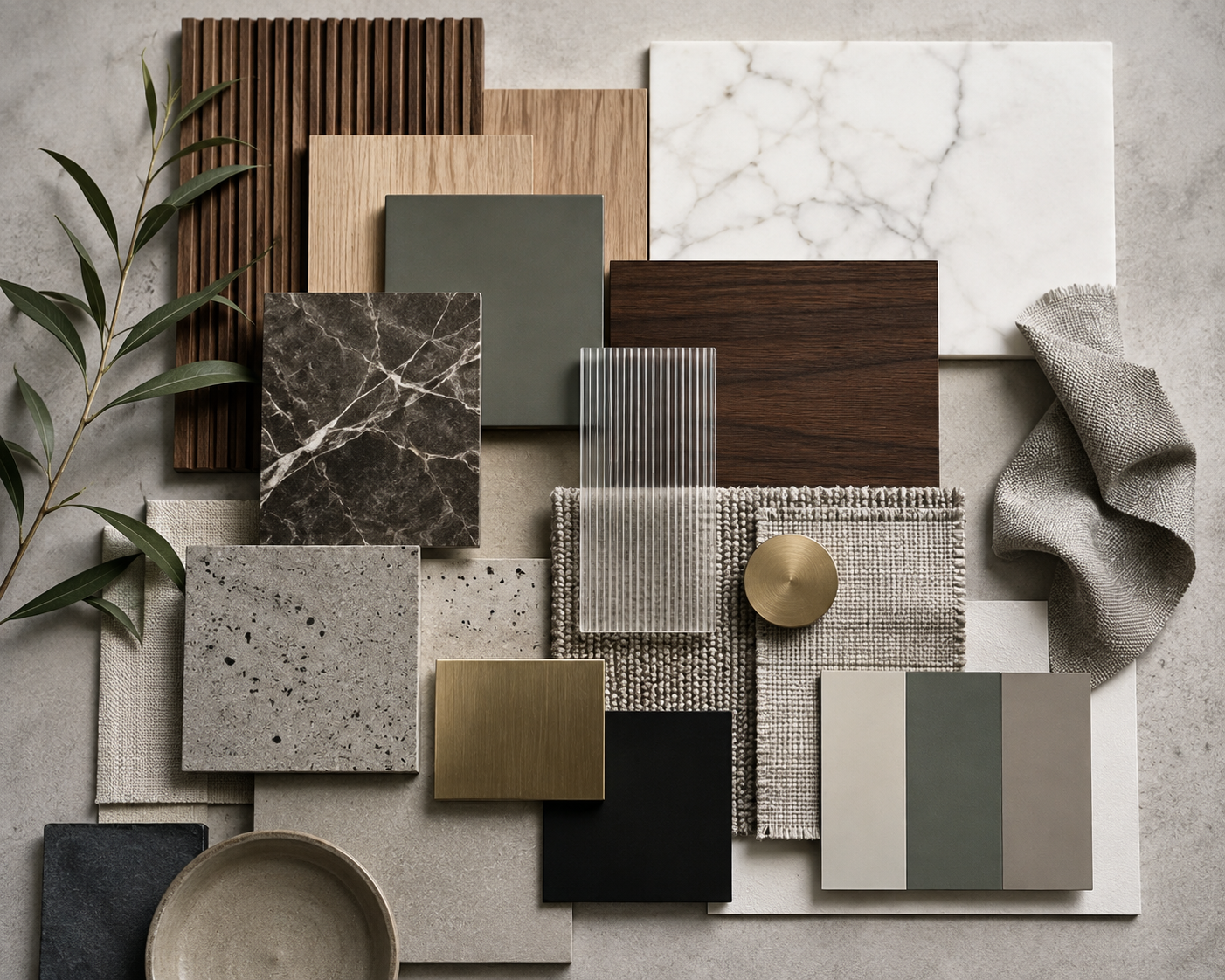
A strong Material concept for interior design brings different surfaces, textures, colours, and finishes together into one clear visual direction. It helps an interior feel coordinated instead of looking like a collection of unrelated products.
Material planning also affects more than appearance. The right Materials for interior design can improve durability, maintenance, comfort, functionality, and long-term value. A kitchen needs materials that handle moisture and frequent use. A wardrobe needs stable boards and dependable hardware. A living room may need warmer finishes that work with natural and artificial light.
For Indian homes, material selection should also respond to local climate, lifestyle, cleaning habits, availability, and budget. The goal is not to select the most expensive material. The goal is to select the right material for each application.
The material-selection process can be viewed as part of the larger design concept. Interior design education in India commonly considers material properties such as strength, texture, thermal and acoustic behaviour, durability, maintenance, aesthetics, cost, availability, and sustainability. Amrita Vishwa Vidyapeetham’s Interior Materials & Technology curriculum reflects these practical selection criteria.
What Is a Material Concept for Interior Design?
A material concept is a planned combination of materials that supports the look and function of an interior.
It answers questions such as:
- Which materials will be used?
- Where will each material be used?
- How will different materials work together?
- Which textures should dominate the space?
- Which finishes should create contrast?
- What level of durability is required?
- How much maintenance can the homeowner manage?
- Where should the budget be concentrated?
For example, a warm contemporary living room may combine wood-look laminates, natural or engineered stone, soft fabrics, matte metal, and textured wall finishes.
A minimalist bedroom may use fewer materials. It could combine a neutral laminate, fabric upholstery, subtle wall paint, and simple metal details. Both concepts can work well. The difference comes from how the materials are selected and coordinated.
How to Build a Material Concept for Interior Design
A practical material concept should begin with the function of the room.
Do not start by choosing a finish simply because it looks attractive in a showroom. Start by understanding how the space will be used.
1. Define the Design Style
First, identify the overall design direction.
Possible styles include:
- Contemporary
- Modern
- Minimalist
- Traditional
- Transitional
- Industrial
- Scandinavian-inspired
- Japandi-inspired
- Luxury
The style does not need to be rigid. It simply creates a starting point.
A contemporary home may use clean surfaces, neutral colours, glass, metal, and wood tones. A traditional Indian interior may include natural wood, brass, stone, handcrafted details, and patterned fabrics.
2. Understand the Room’s Function
Every room places different demands on materials.
A kitchen experiences heat, moisture, stains, frequent cleaning, and heavy usage. A bedroom usually has lower moisture exposure but needs a comfortable visual and tactile environment. A bathroom needs materials that can handle water and humidity.
This makes material selection a functional decision.
3. Create a Colour and Texture Direction
Choose a broad palette before selecting individual products.
A useful material concept often includes:
- A main material
- A supporting material
- An accent material
- A neutral background
- One or two texture variations
This approach prevents excessive visual competition.
For example, a living room can use warm wood as the main material, a neutral stone finish as the supporting material, and brushed metal as an accent.
Key Types of Materials for Interior Design
There is no universal list of the best Materials for interior design. Each material has specific strengths and limitations. The following categories cover many common residential applications.
Wood and Wood-Based Materials
Wood remains popular for furniture, cabinetry, wall panelling, doors, and decorative details. Natural wood can add warmth and character. Engineered wood products can offer more predictable dimensions and a broad range of finishes.
Common wood-based materials include:
- Plywood
- MDF
- Particle board
- Block board
- Veneer
- Pre-laminated boards
- Other engineered panels
The right product depends on the application.
BIS publishes Indian Standards covering plywood and other wood-based panels. Its plywood compendium explains that plywood is widely used in construction, furniture, and interior design and that Indian Standards specify requirements and test methods for different plywood categories.
Laminates
Laminates are widely used for modular furniture, wardrobes, kitchens, wall features, and other interior applications. They are available in many colours, patterns, wood visuals, and textures.
When selecting laminate, consider:
- Surface finish
- Scratch resistance
- Cleaning needs
- Usage level
- Colour stability
- Edge detailing
- Overall design compatibility
A laminate should suit both the application and the visual concept.
Veneers
Veneer provides the natural appearance of wood while using a thin layer of real wood over a suitable substrate.
It can bring variation and depth to furniture and wall applications. Because natural wood patterns vary, veneer can give an interior a more individual appearance than a printed wood pattern.
Stone
Stone can be used for flooring, countertops, wall cladding, furniture surfaces, and accent features. Indian homes offer access to many stone options, including marble, granite, sandstone, slate, and other regional materials.
When selecting stone, consider:
- Porosity
- Stain resistance
- Surface finish
- Maintenance
- Slip resistance
- Expected traffic
- Sealing requirements
A polished stone may suit a feature area but may not be the best choice for every wet or high-traffic surface.
Tiles and Ceramics
Tiles are common in kitchens, bathrooms, utility areas, floors, and feature walls.
Porcelain, ceramic, vitrified, and other tile products can provide different levels of durability, appearance, and maintenance requirements. The size and pattern of the tile can also change how large a room appears. Large-format tiles can reduce visible joints. Smaller tiles can add pattern and visual rhythm.
Glass
Glass can make an interior appear more open.
It can be used for:
- Partitions
- Shower enclosures
- Cabinet shutters
- Doors
- Display units
- Decorative features
Different glass types provide different performance characteristics. Safety and application requirements should be checked before selecting glass for doors, partitions, or wet areas.
Metal
Metal can be used as a structural and decorative material.
Common interior choices include:
- Stainless steel
- Aluminium
- Brass
- Copper
- Mild steel with suitable finishes
Metal is particularly useful for handles, trims, frames, partitions, lighting details, furniture, and feature elements. The finish can significantly change the character of the material. Brushed metal looks different from polished, powder-coated, antique, or blackened finishes.
Paint and Wall Finishes
Paint remains one of the simplest ways to establish the background of an interior. A wall finish can create a neutral base or become a feature.
Other wall treatments can include:
- Textured coatings
- Wallpaper
- Decorative plaster
- Wood panelling
- Fabric panels
- Microcement-style finishes
- Decorative laminates
The selected finish should suit the wall condition, maintenance expectations, and room function.
Fabrics
Fabric brings softness to interiors.
It is used for:
- Curtains
- Sofas
- Chairs
- Headboards
- Cushions
- Acoustic panels
- Decorative elements
Material choice should consider light exposure, cleaning, durability, and everyday use.
Material Selection by Room
The best interior design Materials vary from room to room.
Living Room
A living room can combine durable furniture materials with softer decorative finishes.
A balanced palette might include:
- Wood or wood-look furniture
- Stone or tile
- Fabric upholstery
- Metal accents
- Paint or textured wall finishes
The living room is often the best place to introduce a feature material.
Bedroom
Bedrooms usually benefit from softer textures and calmer finishes.
Wood tones, fabric, matte surfaces, muted laminates, and warm lighting can create a comfortable atmosphere. Avoid using too many glossy surfaces if the goal is a calm and restful room.
Kitchen
The kitchen needs materials that can handle frequent use, moisture, heat, stains, and cleaning.
Important considerations include:
- Cabinet boards
- Countertop material
- Backsplash
- Hardware
- Sink area
- Wall finish
- Flooring
Durability should take priority over purely decorative choices in high-use areas.
Bathroom
Bathrooms require careful material selection because water and humidity are constant concerns.
Consider:
- Water-resistant surfaces
- Floor slip resistance
- Easy-clean wall finishes
- Durable hardware
- Moisture-resistant furniture materials
- Proper sealing where required
Wardrobe
Wardrobes need stable boards, durable surface finishes, and reliable hardware. The internal construction should also match the load and frequency of use.
Home Office
A home office should balance durability, comfort, acoustics, and visual calm. Wood finishes, compact laminate surfaces, acoustic materials, glass, and fabric can all play useful roles.
How to Combine Interior Design Materials Successfully
The quality of a material concept depends on how materials interact.
Use a Dominant Material
Choose one material family to establish the main visual language. This could be warm wood, stone, neutral laminate, or another recurring finish.
Add Contrast Carefully
Contrast creates interest.
You can contrast:
- Light and dark
- Smooth and textured
- Matte and gloss
- Warm and cool
- Natural and manufactured
Too much contrast can make a room feel busy.
Repeat Selected Materials
Repeating one material in several areas creates continuity. For example, a wood finish can appear on the TV unit, wardrobe accents, and a study shelf. This repetition helps create a connected interior.
Coordinate With Lighting
Materials can look different under daylight, warm LED light, and cool light.
Always review samples under the actual lighting conditions where possible. A grey surface may look warmer under a warm light source. A glossy surface may reflect more light and appear brighter.
Sustainable Materials for Interior Design
Sustainability is becoming an important part of material selection. It does not mean every project must use only natural materials.
A more practical approach is to consider:
- Material lifespan
- Repairability
- Recyclability
- Local availability
- Responsible sourcing
- VOC considerations
- Waste during installation
- End-of-life disposal
Natural materials such as responsibly sourced wood, bamboo, stone, and cane can be useful in some applications.
Recycled and engineered materials can also contribute to a more resource-efficient design when they are appropriate for the project. The key is to evaluate the complete lifecycle rather than selecting a product only because it carries a sustainability label.
Budget Planning for a Material Concept
Material selection can have a major effect on the final interior budget. A useful approach is to divide materials into three groups:
High-Priority Materials
Spend more where performance matters most. Examples include kitchen work surfaces, frequently used hardware, wet-area materials, and heavily used flooring.
Visual Focus Materials
Invest selectively in feature areas. Examples include a statement wall, premium veneer, stone feature, decorative lighting, or custom furniture.
Supporting Materials
Use practical alternatives for areas that do not need premium specifications. This approach can create a premium-looking interior without making every surface expensive.
Common Mistakes When Selecting Interior Design Materials
Choosing Materials Room by Room Without a Master Concept
This can result in mismatched colours and finishes. Prepare a material palette for the entire home before final selections.
Selecting Based Only on Price
A cheaper material may cost more over time if it requires frequent repair or replacement. Look at durability and lifecycle value.
Overusing Wood Finishes
Using several unrelated wood tones can make a room feel visually inconsistent. Keep wood tones within a controlled palette.
Mixing Too Many Textures
Texture adds character, but excessive variety creates visual noise. Use strong textures selectively.
Ignoring Maintenance
Ask how each surface will be cleaned and maintained. A high-maintenance material may not suit a busy household.
Forgetting Edge Details
Edges, joints, handles, trims, profiles, and transitions influence how refined an interior looks. These details should be part of the material concept.
How a Material Board Helps Interior Design
A material board brings the planned selections together before final execution.
It can include:
- Board or plywood sample
- Laminate sample
- Veneer
- Stone
- Tile
- Metal finish
- Fabric
- Paint colour
- Hardware finish
Seeing materials together makes it easier to identify conflicts before ordering.
A digital mood board can help at the concept stage. Physical samples are even more useful before final approval because texture, reflectivity, and colour can appear differently on a screen.
A Practical Material Selection Checklist
Before finalising Materials for interior design, review each selection against five questions:
- Does it suit the room’s function?
- Is it durable enough for the expected usage?
- Can it be maintained easily?
- Does it work with the overall design concept?
- Does it fit the project budget?
If a material performs well on all five points, it is more likely to be a practical choice.
Create a Cohesive Interior With the Right Material Concept
A strong Material concept for interior design connects aesthetics with everyday performance. It does not rely on expensive finishes alone.
The right interior design Materials should support how people live in the space. They should withstand the expected use, remain practical to maintain, and work together visually. Professional guidance can help homeowners select materials and finishes based on their design and practical requirements.
For Indian homes, material selection should also consider the local climate, maintenance habits, availability, and budget. A thoughtful material palette can make a space feel more comfortable, more cohesive, and easier to live with.
The best results come from choosing materials as a complete system rather than selecting each product separately. Start with the room’s function. Define the visual direction. Shortlist suitable materials. Compare performance and maintenance. Then review the complete palette before finalising the selections.
DecorID emphasizes material expertise and guidance as part of its interior planning and execution approach, helping homeowners choose durable and suitable materials for their spaces.
A well-planned material concept can give an interior a clear identity while helping every surface serve a practical purpose.
Add a comment