

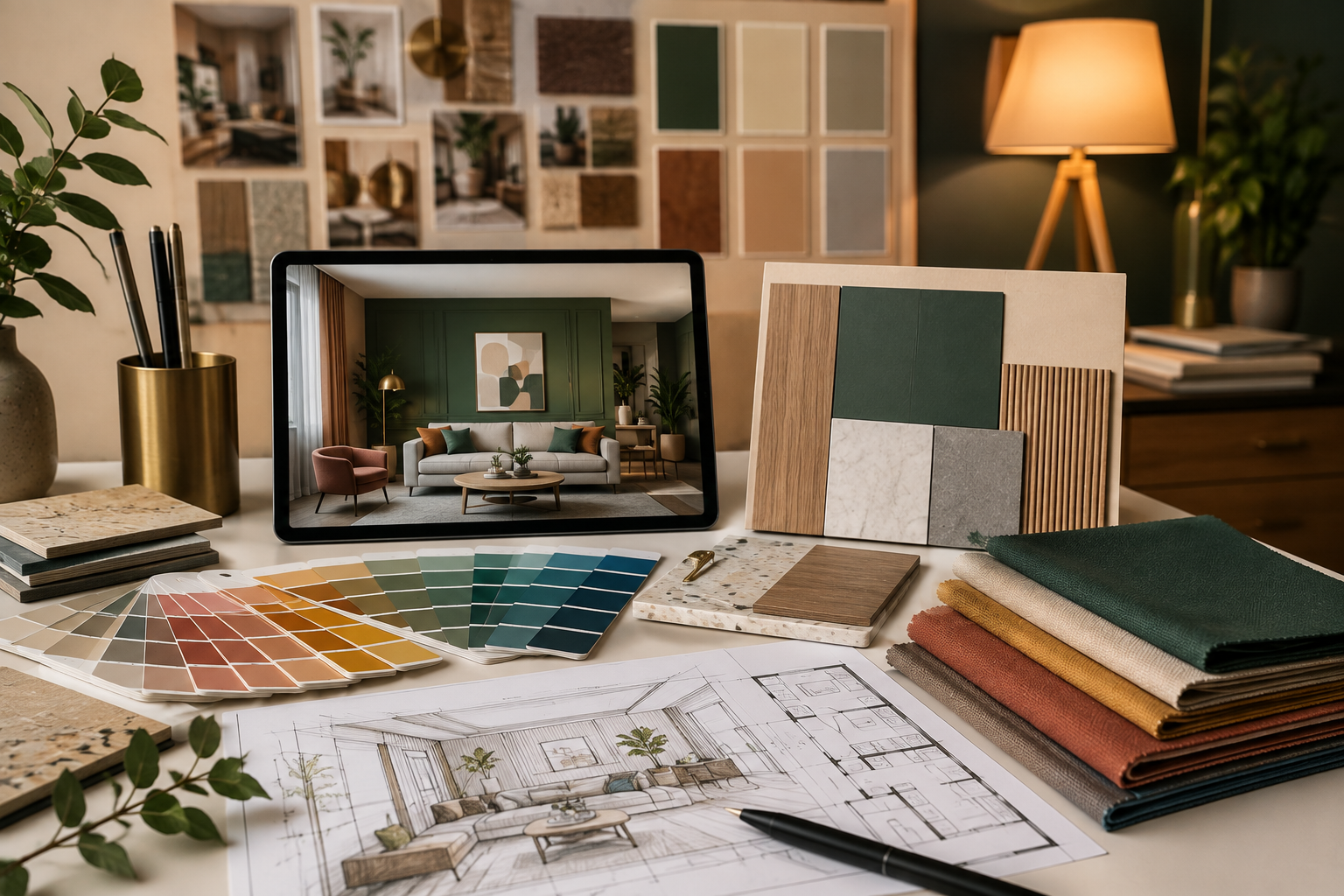
Interiors Design with Modern Aesthetics for Modern Homes
Modern homes need more than beautiful furniture and trendy colours. They need thoughtful planning, practical layouts, and details that create a comfortable atmosphere. Interiors design with modern aesthetics bring these elements together. They combine clean forms, balanced colours, functional furniture, natural light, and carefully selected materials.
At Decorid, modern interior design focuses on creating spaces that look refined while supporting everyday living. Whether you are designing a new home or renovating an existing one, a thoughtful approach can transform how your space feels and functions.
What Are Interiors Design with Modern Aesthetics?
Modern aesthetic interiors focus on simplicity, proportion, comfort, and functionality. Instead of filling a room with unnecessary décor, the design uses selected elements to create visual balance.
The approach often includes:
- Clean architectural lines
- Neutral or balanced colour palettes
- Functional furniture
- Natural materials
- Layered lighting
- Smart storage
- Minimal visual clutter
- Carefully selected décor
However, modern design does not mean every home should look identical. The best interiors reflect the homeowner’s lifestyle, personality, and requirements.
Key Features of Modern Aesthetic Interiors
A modern interior works when different elements complement one another. Therefore, designers need to consider the entire space rather than individual items.
Clean and Balanced Layouts
A good layout creates comfortable movement around the room. Furniture should have enough space around it without making the room feel empty.
Designers consider room dimensions, doors, windows, furniture sizes, and circulation before finalizing the arrangement.
As a result, the room can feel more spacious and organized.
Neutral Colour Palettes
Modern interiors often use shades such as white, beige, grey, cream, and soft earth tones. These colours create a calm base for furniture and decorative elements.
However, neutral interiors do not need to look boring.
Accent colours can be introduced through cushions, artwork, rugs, furniture, curtains, or decorative objects.
Natural Materials
Wood, stone, glass, metal, and textured finishes can add depth to a modern interior.
For example, wooden furniture can bring warmth to a neutral living room. Similarly, stone textures can create a refined focal point.
The key is to maintain balance rather than combining too many materials.
Functional Furniture
Furniture should serve a purpose while supporting the overall design.
A modern living room might include a streamlined sofa, practical storage, a simple centre table, and a well-planned entertainment unit.
Likewise, bedrooms can combine comfortable beds with built-in wardrobes and practical bedside storage.
Layered Lighting
Lighting can completely change the appearance of a room.
Modern interiors often combine:
- Ambient lighting
- Task lighting
- Accent lighting
- Decorative fixtures
- Natural daylight
This layered approach allows homeowners to create different moods while maintaining functionality.
Modern Interiors Design for Different Rooms
Every room has a different purpose. Therefore, the design approach should change accordingly.
Modern Living Room Design
The living room is often the main gathering area in a home. It should feel comfortable without becoming visually crowded.
A modern living room can include a well-planned sofa arrangement, a simple TV unit, accent lighting, storage, artwork, and selected décor.
Large windows can also help bring natural light into the space.
Modern Bedroom Design
Bedrooms should feel calm and comfortable.
A modern bedroom may feature a simple bed design, coordinated bedside tables, built-in wardrobes, soft lighting, and a restrained colour palette.
Textures can add warmth without creating unnecessary visual clutter.
Modern Kitchen Design
A kitchen needs strong functionality as well as visual appeal.
Cabinet layouts should support an efficient workflow. At the same time, finishes, handles, lighting, countertops, and appliances should create a cohesive appearance.
Modern kitchens often benefit from streamlined cabinets and integrated storage.
Modern Dining Area
A dining area can connect the kitchen and living room while maintaining its own identity.
A well-sized dining table, comfortable chairs, pendant lighting, and subtle wall décor can create an inviting space.
Modern Home Office
Home offices have become an important part of residential interiors.
A practical workspace should provide sufficient desk space, storage, lighting, and comfortable seating. At the same time, its design should complement the rest of the home.
How to Create Aesthetic Interiors Design Without Losing Functionality
Aesthetic design should never come at the expense of comfort.
A beautiful room can become difficult to use when furniture is oversized, storage is insufficient, or lighting is poorly planned.
For this reason, designers should balance appearance with everyday requirements.
Consider these principles:
Start with functionality.
Determine how the room will be used before selecting furniture and décor.
Create visual balance.
Avoid placing too many large elements in one area.
Use a consistent colour palette.
Choose a few complementary shades and repeat them across the room.
Add texture.
Wood, fabric, stone, rugs, and textured walls can prevent a neutral interior from feeling flat.
Keep décor intentional.
Every decorative element should contribute to the overall design.
Plan storage early.
Good storage helps maintain a clean and organized appearance.
Why Modern Interior Design Needs Professional Planning
Creating a modern interior can appear simple. However, achieving the right balance requires careful planning.
A professional interior designer considers several factors together.
Space Planning
The available area determines what furniture, storage, and design features can realistically fit.
Material Coordination
Different finishes need to work together. Too many competing textures can make a room feel disorganized.
Colour Coordination
Colours should complement the furniture, flooring, walls, curtains, and lighting.
Lighting Planning
Lighting positions should be considered before electrical work and ceiling finishes are completed.
Custom Storage
Built-in storage can make better use of available wall space while maintaining a clean appearance.
Modern Aesthetics for Different Home Sizes
Modern design can work in both compact apartments and large houses.
Compact Homes
Smaller homes benefit from multifunctional furniture, vertical storage, light colours, mirrors, and open layouts.
The goal is to make the available space feel comfortable without overcrowding it.
Large Homes
Larger homes provide more flexibility. However, excessive furniture can still make large rooms feel cluttered.
Modern design uses proportion and zoning to give each area a clear purpose.
For example, a large living room can include separate seating, reading, and entertainment zones.
How Decorid Approaches Modern Interior Design
At Decorid, the design process begins with understanding the space and the people who use it.
The process can include:
1. Understanding Your Requirements
The first step is to understand your lifestyle, preferences, functional needs, and design expectations.
2. Studying the Space
Room dimensions, natural light, existing structures, windows, doors, and circulation areas are assessed.
3. Developing the Design Concept
A cohesive design direction is developed around your preferred style and practical requirements.
4. Planning Furniture and Storage
Furniture layouts and storage solutions are planned to support comfortable daily use.
5. Selecting Colours and Materials
Finishes, textures, colours, and materials are coordinated to create a consistent visual identity.
6. Planning Lighting
Lighting is integrated into the overall design instead of being treated as an afterthought.
7. Coordinating Execution
The finalized design is translated into the actual space through coordinated implementation.
How to Choose a Modern Interior Designer
Choosing the right designer can influence the entire project.
Before making a decision, consider the following:
- Review the designer’s portfolio.
- Look for relevant residential projects.
- Discuss your preferred design style.
- Ask about the design process.
- Understand how materials are selected.
- Discuss storage and functionality.
- Check communication practices.
- Clarify project responsibilities.
- Avoid choosing a designer based only on appearance.
A good designer should understand how you live, not simply how you want your home to look.
Common Mistakes in Modern Interior Design
Even attractive design concepts can fail when basic planning is ignored.
Using Too Many Colours
A modern interior usually benefits from a controlled colour palette. Too many contrasting shades can reduce visual harmony.
Choosing Style Over Comfort
Furniture should look good and feel comfortable. A beautiful but impractical room will not work well in everyday life.
Ignoring Storage
Insufficient storage can quickly create clutter.
Using Only One Type of Lighting
A single light source may not provide enough flexibility. Layered lighting usually creates a more comfortable environment.
Overdecorating
Modern design works best when decorative elements are selected carefully.
Following Trends Blindly
Interior trends change. A timeless design should remain attractive even when specific trends disappear.
Modern Aesthetics Should Reflect Your Lifestyle
The most successful modern interiors are not simply copies of showroom designs.
Your home should reflect how you live.
If you enjoy entertaining guests, your living and dining areas may need flexible seating. If you work from home, your workspace deserves proper planning. If storage is a priority, custom cabinets may become an important part of the design.
Therefore, aesthetics should support functionality rather than compete with it.
Frequently Asked Questions
What are interiors design with modern aesthetics?
They are interiors that combine clean layouts, balanced colours, functional furniture, modern materials, lighting, and selected décor to create stylish yet practical spaces.
What is modern interiors design?
Modern interiors design focuses on simplicity, functionality, clean lines, balanced colours, practical furniture, and carefully coordinated materials.
How can I make my home look more aesthetic?
Start with a consistent colour palette, suitable furniture proportions, layered lighting, organized storage, natural materials, and limited but meaningful décor.
Can modern interior design work in a small home?
Yes. Modern design can make compact homes feel more spacious through efficient layouts, multifunctional furniture, smart storage, and suitable colours.
Should modern interiors always be minimalist?
No. Modern interiors can include decorative elements, textures, artwork, and personal details. The main focus should remain on balance and functionality.
Why hire a professional interior designer?
A professional can help coordinate space planning, furniture, storage, lighting, colours, materials, and execution to create a cohesive interior.
Design a Modern Home That Feels Personal
Modern interior design is not about following every new trend. It is about creating a space that looks refined, works efficiently, and feels comfortable over time.
Interiors design with modern aesthetics can bring together clean forms, thoughtful layouts, natural materials, practical storage, and personalized details.
With the right planning, your home can feel contemporary without losing its warmth or personality. Decorid can help transform your ideas into modern, functional, and visually balanced interiors design around the way you live.
Add a comment