

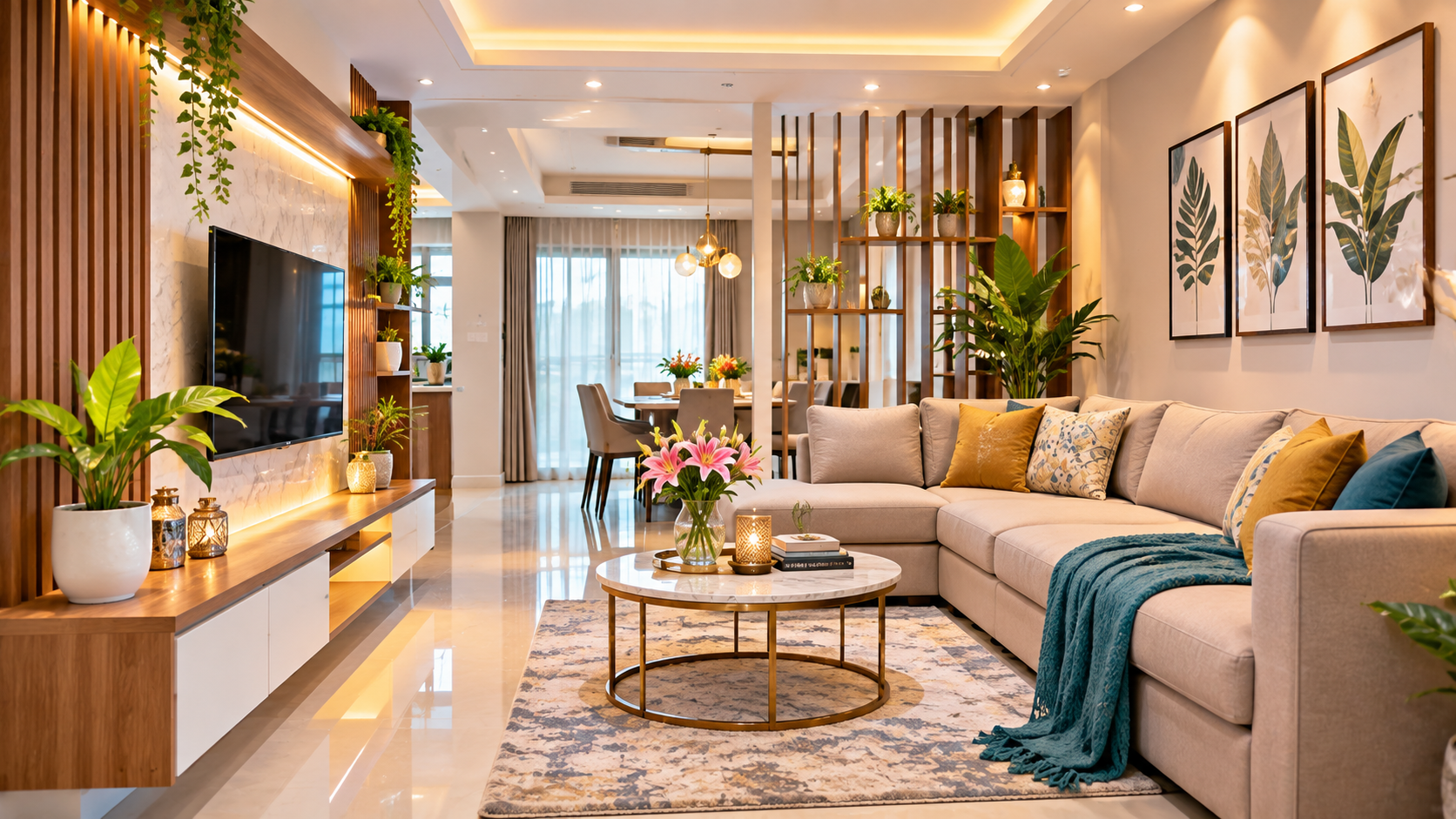
Home Interior Designer in Patna: How to Choose the Right Expert for Your Home
Designing a home is an important investment. From selecting furniture and colours to planning storage, lighting and room layouts, every decision influences how comfortable and functional your home will be. A beautiful interior should not only look attractive in photographs but also support your family’s everyday lifestyle.
However, choosing the right professional can be challenging. Patna homeowners have different requirements depending on their property size, family needs, budget and preferred design style. Some need complete interiors for a new apartment, while others want to renovate an existing house or improve specific spaces such as the kitchen, bedroom or living room.
Hiring the right Home Interior Designer in Patna can make this process more organised. A professional can help you evaluate your space, develop a practical design plan, select suitable materials and coordinate important project stages.
But how do you identify the right expert? This guide explains the important factors to consider before making your decision.
Why Should You Hire a Professional Home Interior Designer?
Many homeowners initially consider managing interior work independently. They may select furniture, contact carpenters, purchase materials and coordinate different workers themselves.
Although this approach can work for small improvements, a complete home interior project involves several connected decisions. A change in furniture placement can affect electrical points, lighting, storage and movement within a room.
A professional designer brings these elements together through a planned approach.
Here are some important benefits:
- Better space utilisation: Plan furniture, storage and movement according to the available floor area.
- Consistent design: Maintain a coordinated appearance across living rooms, bedrooms, kitchens and other spaces.
- Budget management: Prioritise essential work and select materials according to your investment.
- Material guidance: Compare available finishes, boards, hardware and other products before purchasing.
- Reduced execution errors: Use detailed drawings and measurements to communicate design requirements.
- Coordinated project planning: Organise different activities and reduce confusion during implementation.
A well-planned interior is not necessarily the most expensive one. It is a space where design decisions support comfort, functionality and long-term usability.
10 Important Factors to Consider When Choosing a Home Interior Designer in Patna
Before finalising an interior design company, evaluate its experience, working process, communication and ability to understand your requirements.
1. Review Previous Residential Projects
Start by reviewing the designer’s portfolio. Look for completed residential projects that demonstrate practical planning, quality finishing and attention to detail.
Do not focus only on luxury apartments or large houses. If you own a compact 2BHK flat, check whether the designer has experience creating functional interiors for similar properties.
Pay attention to:
- Living room layouts and furniture placement.
- Bedroom wardrobes and storage arrangements.
- Modular kitchen planning.
- False ceiling and lighting combinations.
- Colour coordination and wall finishes.
- Overall finishing and attention to detail.
Ask whether the photographs represent completed projects or only conceptual 3D designs. This distinction helps you understand the designer’s actual execution experience.
2. Understand Your Designer’s Planning Process
A reliable professional should have a clear process rather than beginning work with random design suggestions.
Ask how the company handles the project from the first consultation to the final handover.
A typical home interior planning process may include:
- Initial consultation: Discuss your lifestyle, requirements, preferences and budget.
- Site measurement: Record room dimensions, openings, existing conditions and other important details.
- Space planning: Develop furniture layouts, storage arrangements and movement paths.
- Design development: Establish the visual style, colours, materials and furniture concepts.
- 2D drawings: Prepare technical layouts and measurements for implementation.
- 3D visualisation: Review how the proposed interiors may look before execution.
- Material selection: Finalise suitable boards, laminates, hardware, finishes and other products.
- Execution and supervision: Coordinate the approved work and monitor important project stages.
- Final inspection: Review the completed work and identify any pending corrections.
A structured process makes it easier to understand what happens at each stage and what decisions you need to approve.
3. Check Whether the Designer Understands Your Lifestyle
Every family uses its home differently. A design that works for one household may not suit another.
For example, a family with young children may need durable finishes, accessible storage and safe furniture arrangements. Someone working from home may require a dedicated workspace, suitable lighting and organised cable management.
Before proposing a design, the professional should understand:
- How many people live in the home.
- Your daily routine and lifestyle.
- Storage requirements.
- Cooking and dining habits.
- Work-from-home requirements.
- Preferred colours and design styles.
- Future requirements, such as additional furniture or family needs.
A good Residential Interior Designer in Patna should develop solutions around your actual lifestyle instead of applying the same design template to every home.
4. Compare Design Services and Execution Support
Not every interior design company provides the same scope of work. Some focus mainly on design consultation, while others also support material selection, project coordination and execution.
Understand exactly what is included before signing an agreement.
Depending on your requirements, useful services may include:
- Space planning and layout design.
- Detailed 2D drawings.
- 3D interior visualisation.
- Modular kitchen design.
- Bedroom and wardrobe planning.
- Furniture and storage solutions.
- False ceiling and lighting layouts.
- Material and finish selection.
- Renovation planning.
- Execution coordination.
If you want a complete home transformation, check whether the company can support the different stages or whether you will need to appoint additional contractors.
You can explore DecorID’s interior design services to understand its design planning, 2D drawings, 3D visualisation and material selection services.
5. Ask for a Detailed and Transparent Quotation
Budget is one of the most important considerations when planning a home interior project.
However, comparing companies only by their final quotation can be misleading. Two proposals may have different materials, furniture specifications, hardware quality and service inclusions.
Before approving a quotation, ask for clarity on:
- Furniture and storage requirements.
- Material specifications and brands.
- Plywood or alternative board specifications.
- Laminate and surface finishes.
- Hardware and accessories.
- Electrical and lighting work.
- False ceiling requirements.
- Labour and installation charges.
- Design and supervision charges.
- Taxes and additional expenses.
Also ask which items are excluded from the estimate.
A detailed quotation helps you understand where your money will be spent and reduces the possibility of misunderstandings during execution.
6. Evaluate Material Knowledge and Quality
The materials used in your home influence durability, maintenance, appearance and overall project cost.
For example, kitchen cabinetry and bedroom wardrobes may require different material considerations because their exposure to moisture, heat and daily use can vary.
Discuss the following with your designer:
- Plywood, MDF or HDHMR suitability for different applications.
- Laminate thickness and finish.
- Hardware quality and functionality.
- Hinges, drawer channels and handles.
- Moisture-resistant options for relevant areas.
- Surface maintenance requirements.
- Product warranties and manufacturer support.
Avoid selecting materials only because they look attractive in a sample. Ask how they will perform in the actual application.
You can also refer to the Bureau of Indian Standards’ National Building Code for broader information about building requirements, safety, building services and sustainability.
7. Pay Attention to Lighting and Ventilation
Lighting is often treated as a decorative feature, but it plays an important role in how a home looks and functions.
A well-planned lighting arrangement combines natural light with suitable artificial lighting.
Consider different lighting requirements:
- Living room: General lighting with focused illumination for reading or display areas.
- Kitchen: Adequate task lighting around countertops and preparation areas.
- Bedroom: Comfortable ambient lighting and convenient bedside lights.
- Study area: Focused lighting suitable for reading and working.
- Bathrooms: Appropriate lighting around mirrors and functional areas.
Ventilation is equally important. Avoid planning storage units, partitions or decorative elements in ways that unnecessarily obstruct airflow or natural light.
8. Understand the Project Timeline and Supervision
Interior projects involve multiple activities, including carpentry, electrical work, ceiling installation, painting, furniture fitting and finishing.
These activities often depend on one another. Poor coordination can create delays and additional expenses.
Before beginning, discuss:
- Estimated project duration.
- Important work milestones.
- Material procurement schedules.
- Site supervision arrangements.
- How changes will be handled.
- How delays or unexpected site conditions will be communicated.
Ask whether you will receive regular project updates and who will be your primary point of contact.
A realistic timeline with clear responsibilities is more useful than an unrealistic promise of quick completion.
9. Check Communication and After-Sales Support
Interior design involves regular discussions and approvals. You may need to review drawings, select finishes, approve samples or request adjustments.
Choose a professional who explains recommendations clearly and communicates changes before implementation.
You should also understand what happens after project completion.
Ask about:
- Final inspection procedures.
- Correction of identified defects.
- Warranty terms for applicable products or workmanship.
- Contact arrangements for post-handover assistance.
- Maintenance recommendations.
Clear communication throughout the project can help prevent confusion and make the experience more manageable.
10. Visit the Site and Discuss Your Requirements
A portfolio can help you shortlist designers, but a direct discussion is essential before making a final decision.
If possible, arrange a site visit so the designer can understand your property’s actual dimensions and conditions.
Prepare a list of questions about your preferred design, budget, materials, storage requirements and timeline.
You can also ask for an initial layout suggestion or a discussion about how your available space can be improved.
The objective is to understand whether the designer listens to your requirements and offers practical solutions.
What Home Interior Design Services in Patna Should You Consider?
The services required for your home will depend on its size, layout, condition and your family’s priorities.
Here are some common areas to consider when planning a residential project.
Living Room Interior Design
The living room is often the central space for family activities and entertaining guests. Its design should balance comfort, seating, storage and visual appeal.
Consider furniture placement, TV units, wall finishes, lighting, ceiling design and movement space.
Modular Kitchen Design
A functional kitchen requires careful planning of storage, work surfaces, appliances and movement.
Consider the available layout, cabinet arrangement, countertop material, drawer systems, ventilation and task lighting.
Bedroom and Wardrobe Design
Bedrooms should feel comfortable and organised. Wardrobe placement, storage capacity, bed positioning, bedside lighting and colour selection all contribute to the overall experience.
False Ceiling and Lighting Design
A false ceiling can help organise lighting and add visual interest when planned appropriately. The design should suit the room’s height, lighting requirements and overall interior style.
Complete Home Renovation
Renovation projects may involve changing furniture layouts, updating finishes, improving storage, redesigning kitchens or upgrading selected rooms.
Before starting, identify which improvements are essential and which are optional. This helps you allocate your budget more effectively.
Common Mistakes to Avoid When Hiring an Interior Designer
Even a well-intentioned interior project can become stressful if important decisions are rushed.
Avoid these common mistakes:
Choosing only the lowest quotation: A low price does not automatically mean better value. Compare specifications, material quality and service inclusions.
Ignoring functionality: Attractive designs should not compromise storage, movement, lighting or everyday comfort.
Not checking completed work: Conceptual images alone cannot demonstrate actual workmanship and finishing quality.
Making frequent changes during execution: Late design changes can affect materials, costs and project schedules. Finalise major decisions before implementation wherever possible.
Not documenting specifications: Keep approved drawings, quotations, material details, payment terms and agreed timelines in writing.
Ignoring maintenance: Select finishes and materials based on how much maintenance you can realistically manage.
Why Consider DecorID for Home Interior Design in Patna?
Choosing an interior design partner requires confidence in its planning approach, material knowledge, communication and execution capabilities.
DecorID presents a residential interior design process that begins with understanding homeowner requirements and continues through site measurement, space planning, 3D design, budget planning, material selection, execution and handover.
Its website highlights experience across residential interiors and renovations, along with dedicated site supervision, transparent pricing and after-sales support.
The company also showcases residential projects and its approach to planning practical spaces around homeowners’ requirements.
Whether you are planning a new apartment, upgrading an existing house or considering customised furniture and storage, discuss your requirements before deciding on the project scope.
Visit DecorID’s official website to explore its services and arrange a consultation.
Frequently Asked Questions
1. How do I choose the best interior designer in Patna?
Review completed residential projects, understand the design process, compare detailed quotations and check material specifications. Also discuss project timelines, site supervision, communication and after-sales support before making your decision.
2. What services are included in Home Interior Design Services in Patna?
Depending on the company and project scope, services may include space planning, 2D drawings, 3D visualisation, modular kitchens, wardrobes, furniture, lighting, false ceilings, material selection, renovation and execution coordination.
3. How much does a home interior design project cost in Patna?
The cost depends on property size, number of rooms, materials, custom furniture, kitchen and wardrobe requirements, finishes and execution scope. Request an itemised quotation based on your actual requirements rather than relying only on general estimates.
4. Why should I hire a Residential Interior Designer in Patna?
A residential interior designer can help plan layouts, storage, lighting, furniture and materials according to your lifestyle. Professional planning can also improve space utilisation and help reduce avoidable execution mistakes.
5. What should I discuss during my first meeting with an interior designer?
Discuss your property size, family requirements, preferred style, budget, storage needs, expected completion timeline and the services you require. Ask about the designer’s process, material specifications and project supervision arrangements.
6. How long does it take to complete a home interior project?
The duration depends on the property size, design complexity, material availability, customisation and renovation requirements. Ask for a project-specific schedule with important milestones before approving the work.
7. Can an interior designer help make a small home look more spacious?
Yes. Thoughtful furniture placement, vertical storage, suitable colours, mirrors, natural light and clutter-free layouts can make a compact home feel more open and organised.
Conclusion
Choosing the right Home Interior Designer in Patna is an important step towards creating a comfortable and functional home. Attractive designs matter, but the right professional should also understand your lifestyle, space limitations, budget and long-term requirements.
Before making your decision, review completed projects, compare service inclusions, ask about materials, understand the execution process and document important project details.
Whether you need complete residential interiors, modular kitchen planning, customised wardrobes or renovation support, careful planning can help you avoid unnecessary expenses and achieve a better result.
If you are planning your home’s transformation, connect with DecorID to discuss your requirements and explore suitable Home Interior Design Services in Patna.
Add a comment