

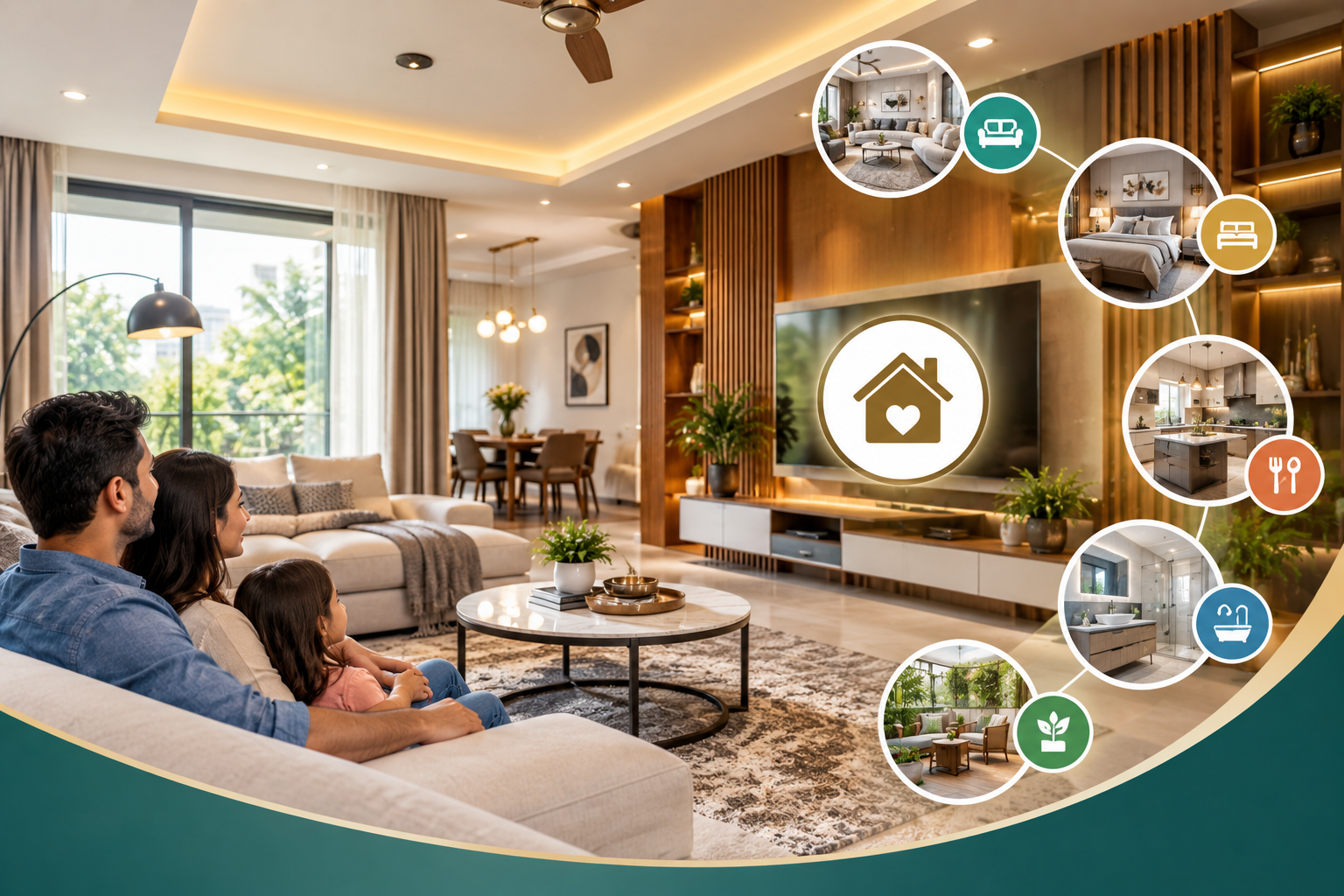
Dream Home Interior Design: Create a Beautiful and Functional Home
Creating a home that truly reflects your personality, lifestyle, and aspirations is about more than choosing attractive furniture or wall colors. Every room should feel comfortable, functional, and connected to the overall character of the house. A thoughtful Dream Home Interior Design approach brings these elements together to create a space that looks beautiful while making everyday life easier.
Whether you are designing a new house, renovating an existing property, or simply upgrading selected rooms, interior design can transform how you experience your home. From space planning and lighting to furniture, colors, storage, and décor, every decision contributes to the final result.
For homeowners looking for a personalized Dream Home Interior, professional interior designers can help turn ideas and preferences into a cohesive living environment. With the right planning, even compact homes can feel spacious, organized, stylish, and comfortable.
What Is Dream Home Interior Design?
Dream Home Interior Design is the process of planning and creating interiors that reflect the homeowner’s personal preferences, lifestyle, functional requirements, and aesthetic vision.
It involves much more than decoration. A complete interior design approach may include:
- Space planning
- Furniture selection
- Color schemes
- Lighting design
- Flooring
- Wall treatments
- False ceilings
- Modular kitchens
- Wardrobes
- Storage solutions
- Bathroom design
- Decorative elements
- Customized furniture
- Accessories and artwork
The objective is to create a balanced environment where design and functionality work together.
A well-designed Dream Home Design should look attractive but also support the way people actually live. A family with children may need durable furniture and additional storage, while a working professional may prioritize a dedicated home office. Every homeowner has different requirements, which is why personalization is essential.
Why Professional Interior Design Matters
Designing an entire home can be challenging without proper planning. Homeowners often choose individual furniture pieces, colors, lighting fixtures, and décor items separately. Although each item may look good on its own, the final space may lack visual consistency. Professional interior design takes a complete approach to the property.
Better Space Planning
Effective space planning ensures that furniture and other elements are positioned appropriately without making rooms feel crowded.
Interior designers consider room dimensions, movement patterns, furniture sizes, natural light, storage requirements, and functional zones before finalizing the layout. This is especially important for apartments and urban homes where every square foot matters.
Personalized Design
A home should feel personal rather than looking like a generic showroom. A professional Dream Home Interior can incorporate the homeowner’s preferred colors, materials, furniture styles, artwork, textures, and decorative elements.
Whether you prefer contemporary minimalism, modern luxury, classic interiors, or a combination of different styles, the design can be developed around your personality.
Better Functionality
Beautiful interiors are not enough if they are difficult to use.
A successful Dream Home Design considers everyday activities and creates practical solutions for storage, movement, lighting, furniture placement, and organization.
For example, a well-designed kitchen should provide efficient work zones, while a bedroom should provide adequate storage without compromising comfort.
Key Elements of Dream Home Interior Design
Several elements contribute to creating a cohesive and comfortable home.
1. Living Room Design
The living room is often one of the most important spaces in a home. It is where families spend time together and where guests are welcomed. A well-planned living room can combine comfortable seating, appropriate lighting, entertainment units, storage, artwork, rugs, curtains, and decorative accessories.
The furniture arrangement should allow easy movement while creating a comfortable area for conversation. For a modern look, homeowners can consider clean furniture lines, neutral colors, natural materials, layered lighting, and carefully selected statement pieces.
2. Bedroom Interior
Bedrooms should provide a sense of comfort and relaxation. The choice of bed, wardrobe, lighting, wall colors, curtains, flooring, and accessories can influence the atmosphere of the room. Soft colors and warm lighting can create a calm environment, while built-in wardrobes and smart storage can help maintain an organized appearance.
A personalized Dream Home Interior should consider individual preferences. A master bedroom may require a more luxurious approach, while children’s bedrooms can incorporate playful colors, study areas, and flexible storage.
3. Modular Kitchen Design
The kitchen is one of the most functional areas of a home. Its design should balance aesthetics with efficiency.
A modern modular kitchen can include:
- Base and wall cabinets
- Tall storage units
- Kitchen islands
- Built-in appliances
- Pull-out drawers
- Corner storage
- Organized pantry systems
- Under-cabinet lighting
The layout should be planned according to available space and cooking habits. An efficient kitchen reduces unnecessary movement and makes daily cooking and storage easier.
4. Bathroom Interior Design
Bathrooms can also contribute significantly to the overall appearance of a home.
Modern bathroom design can combine practical fixtures with attractive materials, lighting, mirrors, storage, and finishes. For smaller bathrooms, thoughtful planning can create the impression of additional space through appropriate colors, mirrors, glass partitions, and efficient storage.
5. Lighting Design
Lighting is one of the most important elements of Dream Home Interior Design. A well-designed lighting plan can change the mood and appearance of a room. Instead of depending on a single ceiling fixture, designers can combine different layers of lighting.
These may include:
- Ambient lighting
- Task lighting
- Accent lighting
- Cove lighting
- Pendant lights
- Wall lights
- Under-cabinet lighting
Natural light should also be considered wherever possible. Large windows, light curtains, reflective surfaces, and appropriate furniture placement can help maximize daylight.
Choosing the Right Color Palette
Colors influence the mood and visual character of an interior. Neutral shades such as beige, white, cream, grey, and earthy tones can create a sophisticated and timeless appearance. Accent colors can then be introduced through furniture, cushions, artwork, curtains, or decorative pieces.
For a contemporary Dream Home Design, homeowners may choose a neutral base combined with carefully selected accent shades. However, there is no single color scheme that works for every home. The palette should reflect personal preferences while considering room size, natural lighting, furniture, flooring, and overall design style.
Smart Storage for a Clutter-Free Home
Storage is essential for maintaining a clean and organized home.
Poor storage planning can make even a beautifully designed space appear cluttered. Modern interior design therefore focuses on incorporating storage into the architecture and furniture wherever possible.
Useful solutions include:
- Built-in wardrobes
- Modular cabinets
- Under-bed storage
- TV units with drawers
- Floating shelves
- Window-seat storage
- Tall cabinets
- Customized kitchen organizers
For compact homes, vertical storage can be particularly useful because it maximizes available wall space without occupying too much floor area. A good Dream Home Interior combines storage with aesthetics so that functional elements become part of the overall design.
Making Small Spaces Feel Bigger
Urban homes often have limited floor space, but thoughtful interior planning can make rooms appear more spacious.
Several strategies can help:
Use light colors: Lighter shades can create a brighter and more open visual appearance.
Choose multifunctional furniture: Furniture that provides storage or serves multiple purposes can save valuable space.
Use mirrors: Strategically placed mirrors can reflect light and create a sense of depth.
Avoid unnecessary furniture: Keeping only essential pieces can make rooms easier to navigate.
Use consistent materials: Repeating similar finishes across connected spaces can create visual continuity.
These principles can help homeowners create a practical Dream Home Design even when working with a compact floor plan.
Combining Style and Functionality
One of the biggest mistakes homeowners can make is focusing exclusively on appearance. An interior should support everyday life. Furniture should be comfortable, storage should be accessible, lighting should be appropriate, and materials should be suitable for regular use.
For example, a family home may require stain-resistant upholstery and durable flooring, while a home with elderly residents may benefit from wider pathways, accessible storage, and appropriate lighting.
Professional Dream Home Interior Design considers these practical factors before finalizing the design.
Popular Interior Design Styles for Modern Homes
Homeowners have numerous styles to choose from.
Modern Minimalist
Minimalist interiors emphasize simplicity, clean lines, functional furniture, and limited decorative elements.
Contemporary
Contemporary interiors often combine modern furniture, neutral colors, elegant lighting, and current design trends.
Modern Luxury
Luxury interiors can feature premium materials, statement lighting, customized furniture, sophisticated color palettes, and refined detailing.
Scandinavian-Inspired
This style emphasizes simplicity, natural materials, light colors, functionality, and comfortable living spaces.
Indian Contemporary
Indian contemporary interiors can combine modern layouts with traditional materials, patterns, artwork, handcrafted elements, and cultural influences.
The ideal Dream Home Design does not necessarily have to follow one style completely. A carefully planned combination can create a more personal result.
Sustainable Choices for Home Interiors
Sustainability is becoming increasingly relevant in modern interior design. Homeowners can consider environmentally responsible choices such as durable materials, energy-efficient lighting, natural finishes, responsibly sourced wood, and furniture designed for long-term use.
Using durable materials can also reduce the need for frequent replacements, making the interior more practical over time. Natural ventilation and daylight can further contribute to a comfortable and energy-conscious home.
How to Plan Your Dream Home Interior
A successful interior project benefits from careful planning.
Step 1: Understand Your Requirements
Start by identifying how each room will be used and what your family needs from the space.
Step 2: Establish a Budget
Determine your overall budget and prioritize important areas such as kitchen, wardrobes, lighting, furniture, and flooring.
Step 3: Choose a Design Direction
Collect references and identify the styles, colors, materials, and layouts you prefer.
Step 4: Plan the Space
Consider furniture placement, movement, storage, lighting, and functionality before purchasing products.
Step 5: Select Materials
Choose materials according to aesthetics, durability, maintenance requirements, and budget.
Step 6: Coordinate the Details
Ensure that flooring, walls, furniture, lighting, curtains, accessories, and other elements complement one another.
Step 7: Work With Professionals
An experienced interior design team can coordinate the different stages of the project and help avoid costly design mistakes.
Why Choose DecorID for Your Dream Home Interior?
Creating a personalized home requires more than selecting attractive products. It requires an understanding of space, materials, functionality, lifestyle, and visual balance.
DecorID focuses on creating interiors that are tailored to individual homeowner requirements. From living rooms and bedrooms to kitchens, wardrobes, lighting, and complete home interiors, professional planning can help turn a house into a space that feels genuinely personal.
For homeowners searching for Dream Home Interior Design, working with an experienced design team can simplify the process from concept development through execution. The right design approach can also help homeowners make better use of available space, coordinate materials, manage storage, and achieve a consistent appearance throughout the property.
Conclusion
A dream home is not defined only by its size or the amount spent on furniture and décor. It is a home where design, comfort, functionality, and personality come together.
A thoughtful Dream Home Interior Design approach can transform ordinary rooms into personalized spaces that support everyday living. From efficient space planning and smart storage to lighting, colors, furniture, kitchens, bedrooms, and decorative details, every element has a role to play.
Whether you are building a new home or renovating an existing property, professional interior planning can help you create a space that reflects your lifestyle and long-term vision. Your Dream Home Interior should be beautiful, but it should also be practical, comfortable, and uniquely yours.
Turn Your Dream Home Into Reality With DecorID
Ready to transform your home into a space that reflects your personality and lifestyle?
Contact DecorID today to discuss your Dream Home Interior Design requirements and explore customized interior solutions for your home. From concept and space planning to materials, furniture, lighting, and final execution, DecorID can help you create a beautiful and functional Dream Home Design tailored to your needs.
Add a comment