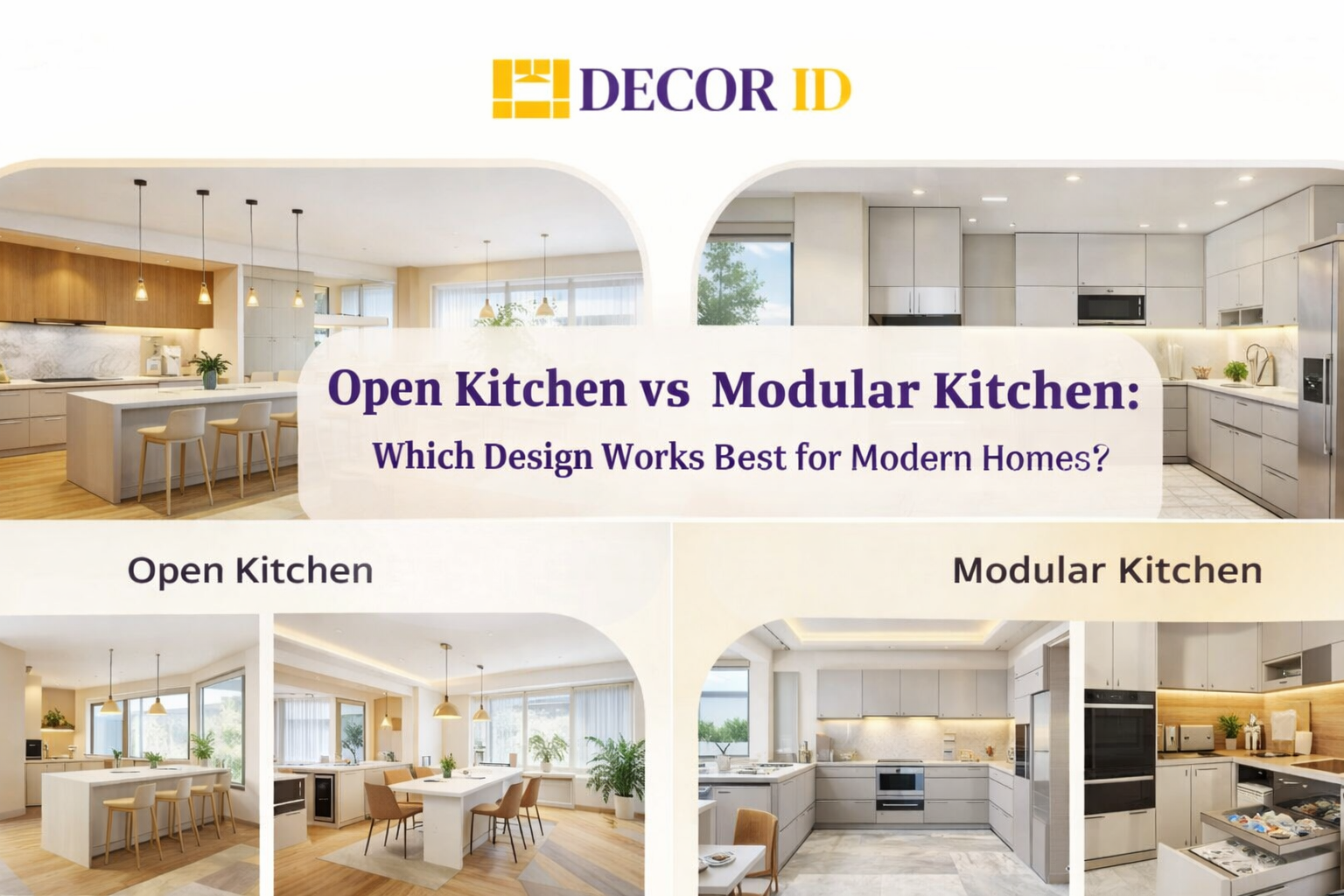
Modern homes demand spaces that combine functionality, efficiency, and visual harmony. Kitchens are no longer hidden service areas; instead, they have evolved into central living spaces where cooking, interaction, and lifestyle activities merge seamlessly. Because of this shift, homeowners increasingly evaluate different kitchen layouts before finalizing their interior planning. Among the most discussed options today are open kitchens and modular kitchens.
When planning a contemporary home layout, the role of a Modular kitchen interior design company in Patna often becomes crucial. Professional planning helps homeowners evaluate spatial limitations, storage efficiency, and lifestyle habits before selecting a suitable kitchen format.
While both designs offer distinct advantages, their suitability depends on household routines, available floor area, ventilation, and maintenance preferences. Many homeowners exploring Interior design services in Patna compare these layouts carefully to ensure long-term usability rather than short-term aesthetics.
This guide explains the structural differences, advantages, limitations, and practical considerations of open and modular kitchens so homeowners can make a confident and informed decision.
Understanding Modern Kitchen Design Trends
Kitchen design trends across India have changed significantly over the past decade. Urban apartments have become smaller, while expectations regarding convenience and storage have increased. According to housing design studies, nearly 68% of new residential apartments incorporate modular storage systems to improve space efficiency.
Modern kitchen planning focuses on three major principles:
- Efficient workflow
- Smart storage solutions
- Seamless visual integration with living spaces
These principles influence whether an open kitchen or a modular kitchen works better for a particular home.
What Is an Open Kitchen?
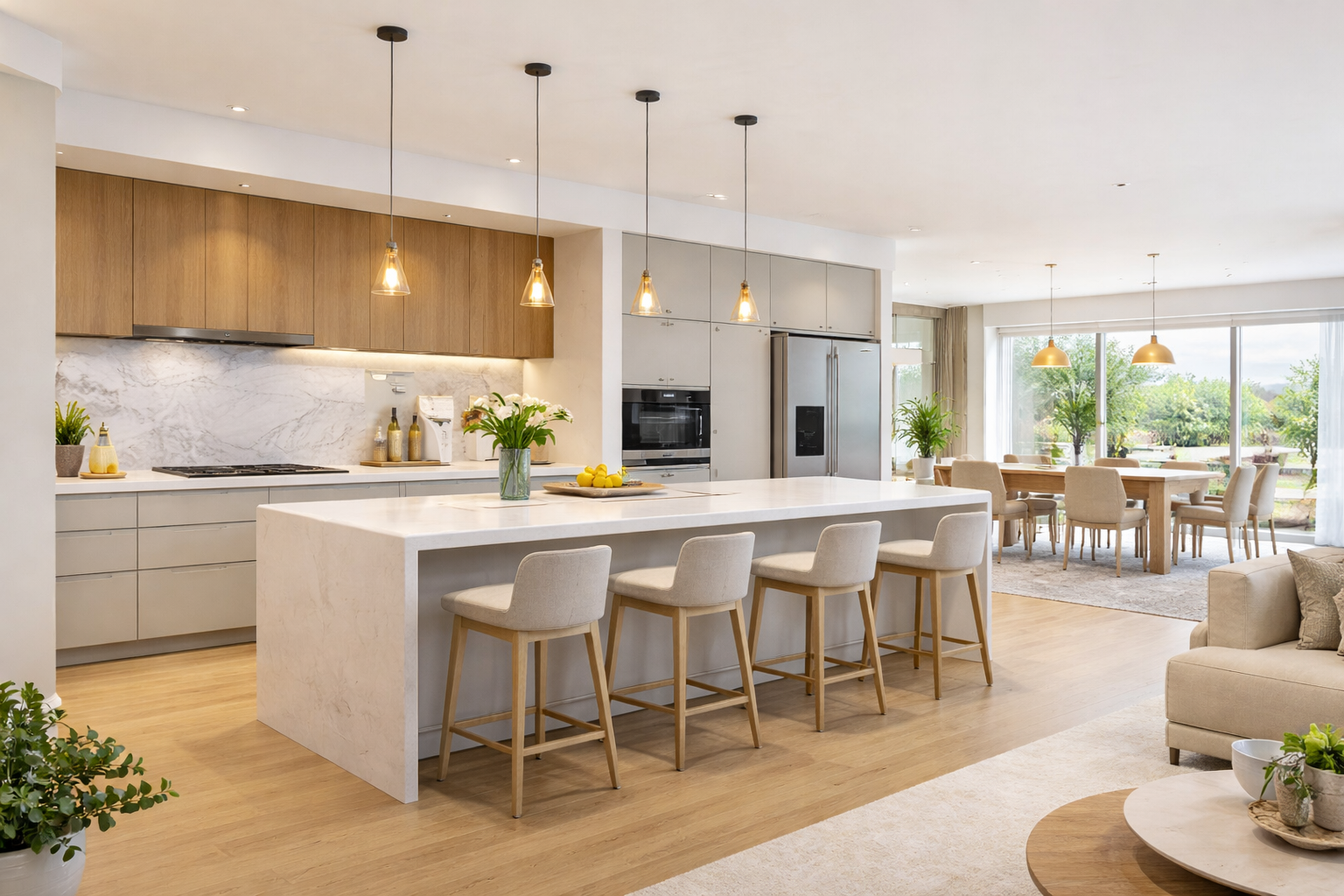
An open kitchen refers to a layout where the kitchen area is directly connected to the living or dining space without a separating wall. Instead of physical barriers, the zones remain visually connected.
Key Characteristics of Open Kitchens
- Shared visual space between cooking and living areas
- Continuous flooring and ceiling design
- Often includes a breakfast counter or island
- Allows natural light to flow across spaces
Because of this openness, the kitchen becomes a social hub where family members interact during meal preparation.
Advantages of Open Kitchen Layouts
Open kitchens offer several lifestyle benefits.
Improved social interaction
- Cooking becomes part of family interaction rather than an isolated task.
Better natural lighting
- Without walls, daylight spreads across the kitchen and living areas.
Enhanced sense of spaciousness
- Smaller homes appear larger because visual barriers are minimized.
Flexible seating arrangements
- Breakfast counters or islands can function as dining extensions.
Limitations of Open Kitchens
Despite their appeal, open kitchens also require careful planning.
- Cooking odors may spread to adjacent areas.
- Noise from appliances becomes noticeable in living spaces.
- Visual clutter is more visible if the kitchen is not organized properly.
Therefore, homeowners must ensure efficient ventilation and disciplined storage management.
What Is a Modular Kitchen?
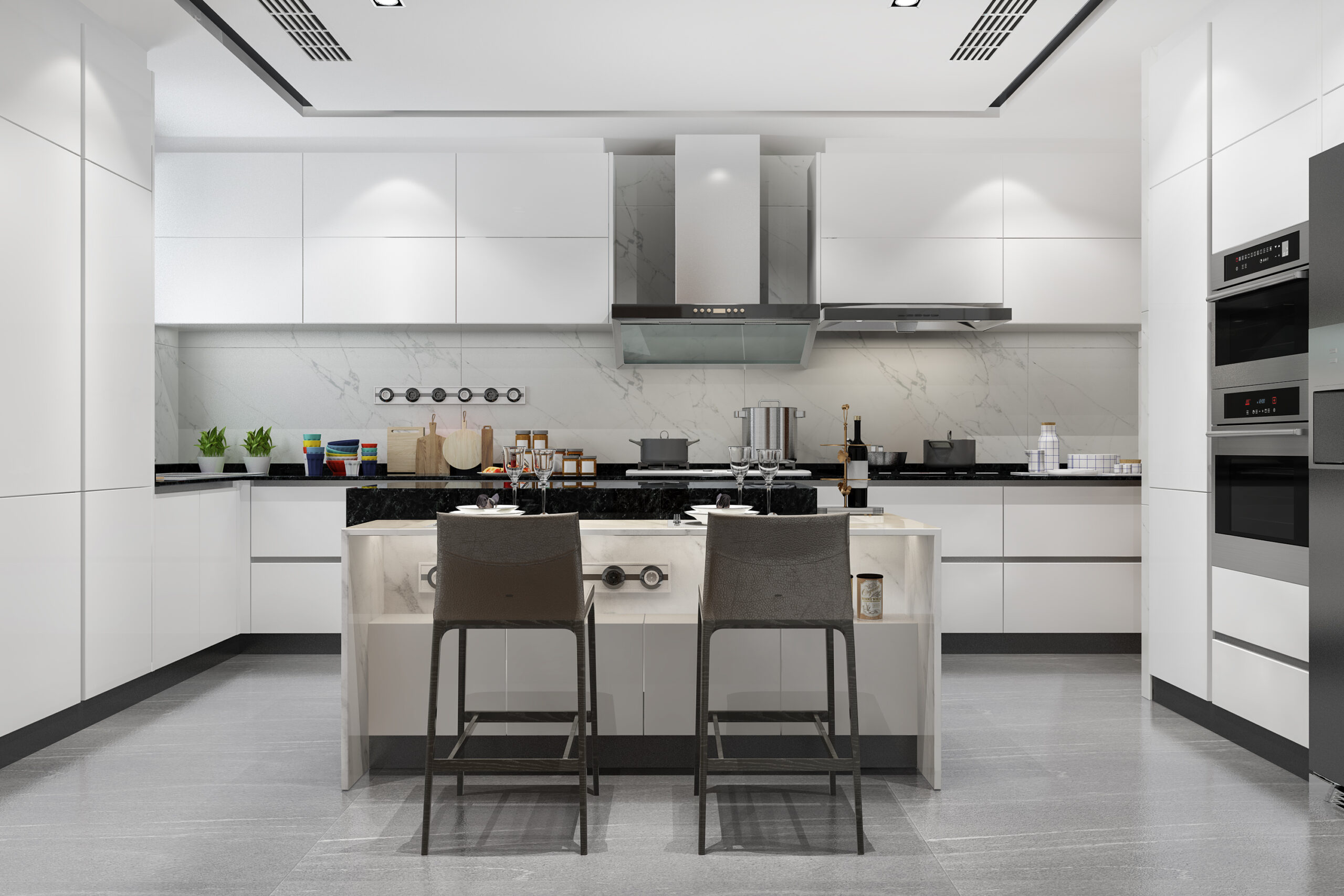
A modular kitchen consists of pre-designed cabinet modules assembled to form a structured cooking area. These modules include cabinets, drawers, shelves, and appliance spaces designed for maximum storage efficiency.
Many homeowners prefer modular kitchens because they combine engineering precision with ergonomic planning. A Modular kitchen interior design company in Patna often recommends modular systems for homes that require highly organized storage and clear workflow patterns.
Core Features of Modular Kitchens
Modular kitchens are designed around standardized components.
- Base cabinets and wall cabinets
- Pull-out storage drawers
- Built-in appliance spaces
- Dedicated pantry units
- Soft-close hinges and sliding systems
These components improve accessibility and organization.
Advantages of Modular Kitchen Systems
Modular kitchens provide practical benefits that support modern lifestyles.
Efficient storage
- Multiple drawers and compartments maximize available space.
Organized workflow
- Cabinets and appliances are arranged according to cooking movements.
Easy maintenance
- Modules can be repaired or replaced individually.
Customizable layouts
- Systems can be adapted for different kitchen sizes.
Potential Drawbacks of Modular Kitchens
Despite their practicality, modular kitchens have certain considerations.
- Installation requires precise measurements.
- Poor planning may create unused corner spaces.
- Over-customization can reduce future flexibility.
Proper layout planning eliminates most of these issues.
Open Kitchen vs Modular Kitchen: Key Differences
Understanding the structural differences between these two kitchen types helps homeowners evaluate suitability.
| Feature | Open Kitchen | Modular Kitchen |
|---|---|---|
| Layout concept | Connected with living space | Structured cabinet-based layout |
| Visual separation | Minimal or none | Usually defined within a separate kitchen space |
| Storage capacity | Depends on cabinetry design | Highly optimized storage modules |
| Maintenance | Requires constant organization | Easier due to compartmentalized storage |
| Social interaction | High | Moderate |
The comparison shows that both designs serve different lifestyle priorities.
Kitchen Layout Options in Modular Design
Modular kitchens can be installed in several configurations depending on available space.
1. L-Shaped Kitchen Layout
This design uses two adjacent walls and creates an efficient triangular workflow between the stove, sink, and refrigerator.
Benefits include:
- Efficient corner utilization
- Comfortable movement area
- Suitable for medium-sized kitchens
2. U-Shaped Kitchen Layout
A U-shaped kitchen uses three walls, maximizing storage and workspace.
Advantages include:
- Large countertop space
- High storage capacity
- Ideal for households with heavy cooking routines
3. Parallel Kitchen Layout
Parallel kitchens feature two opposite countertops forming a corridor layout.
Key features include:
- Excellent for narrow spaces
- Efficient workflow zones
- Clear separation between preparation and cooking areas
4. Island Kitchen Layout
Island kitchens incorporate a freestanding central counter.
This design provides:
- Additional preparation space
- Informal dining options
- Visual focal point in open kitchens
Comparison of Kitchen Efficiency
Kitchen efficiency often determines long-term satisfaction with the chosen design.
| Parameter | Open Kitchen | Modular Kitchen |
|---|---|---|
| Workflow efficiency | Depends on layout planning | Highly structured |
| Storage organization | Moderate | Very high |
| Cooking convenience | Good for light cooking | Suitable for heavy cooking |
| Cleaning effort | Higher due to visibility | Moderate |
Homes with frequent cooking activities often benefit more from modular layouts.
Storage Planning in Modern Kitchens
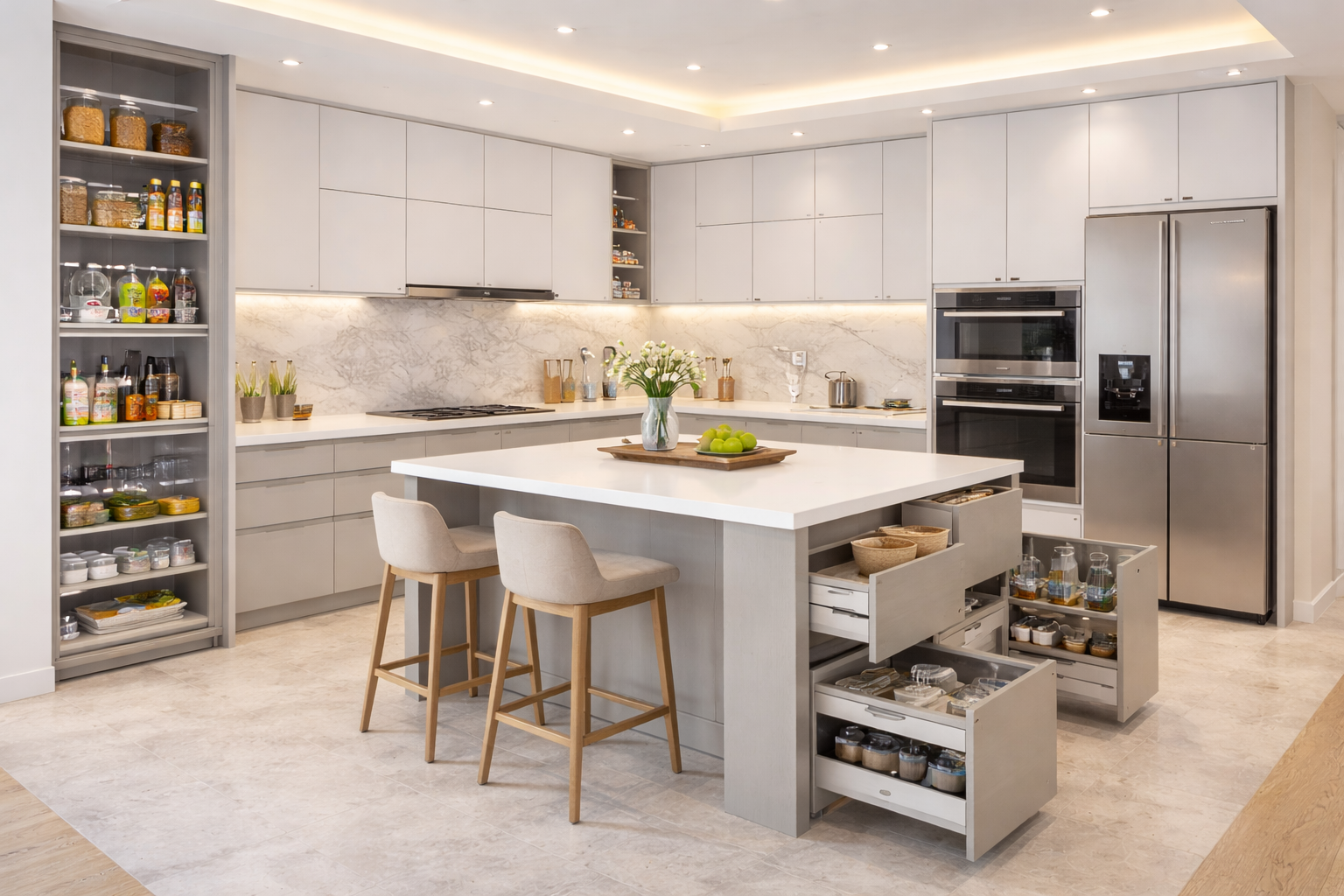
Storage plays a critical role in kitchen functionality. Studies show that an average Indian household uses more than 80 different kitchen items daily, including utensils, spices, and appliances.
Modular kitchens address this need through specialized storage units.
Common Modular Storage Units
- Pull-out pantry racks
- Corner carousel shelves
- Cutlery organizers
- Vertical bottle pull-outs
- Tall storage cabinets
These storage solutions ensure easy accessibility and reduce clutter.
Ventilation and Airflow Considerations
Kitchen ventilation significantly affects comfort and hygiene.
Open kitchens require stronger ventilation systems because cooking odors can spread quickly. Chimneys with high suction capacity are often recommended.
Modular kitchens usually contain odors better due to physical separation.
Key ventilation solutions include:
- High-capacity kitchen chimneys
- Exhaust fans
- Cross-ventilation through windows
Good airflow improves indoor air quality and prevents grease accumulation.
Material Choices for Kitchen Durability
Material selection influences the lifespan and maintenance of kitchen interiors.
| Material | Durability | Maintenance Level |
|---|---|---|
| Marine plywood | High | Moderate |
| MDF boards | Medium | Low |
| Stainless steel | Very high | Low |
| Laminates | High | Easy |
Selecting moisture-resistant materials ensures long-term durability.
Lighting Design in Kitchens
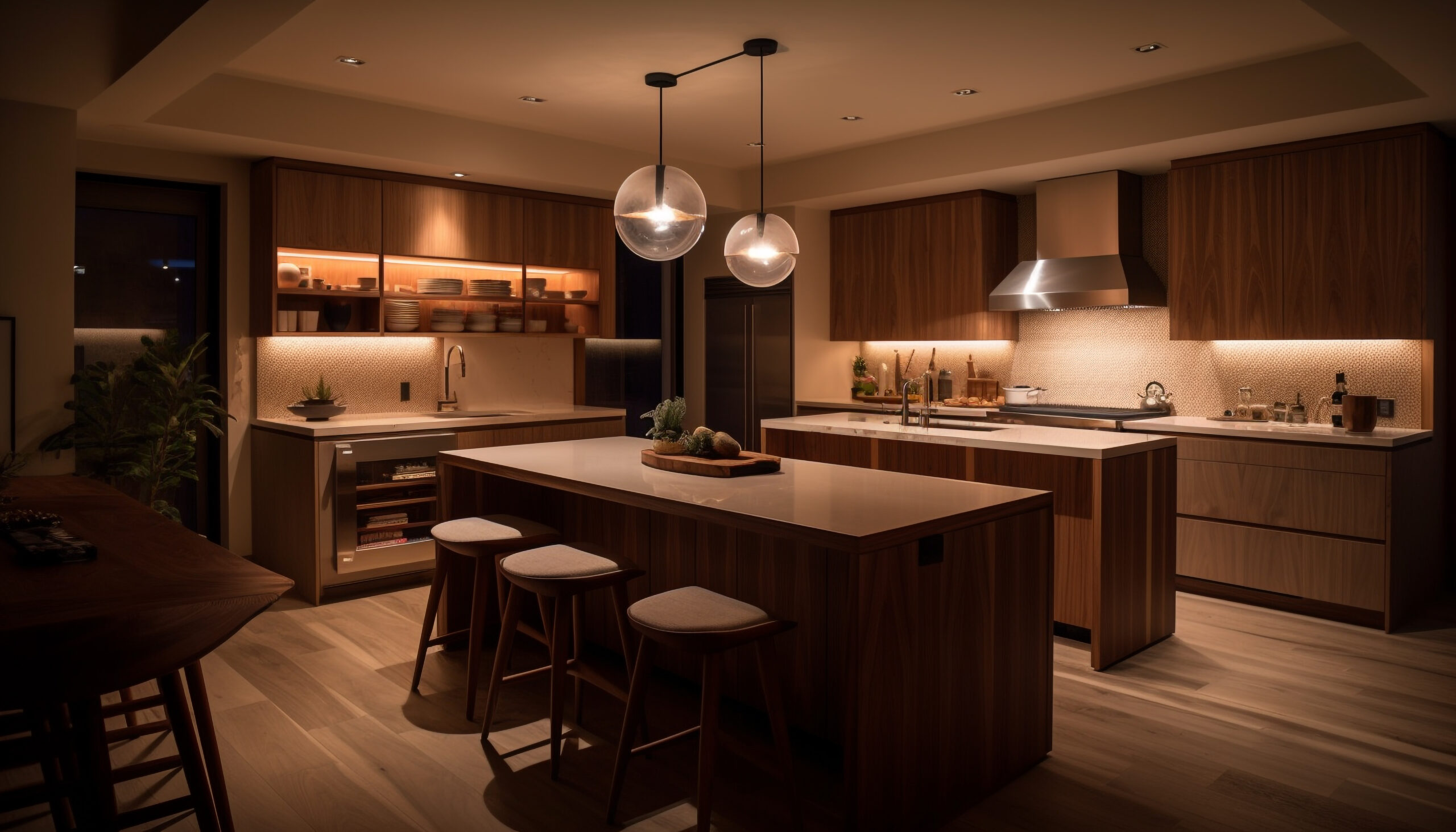
Lighting affects both safety and visual appeal in kitchen spaces.
Modern kitchens use layered lighting strategies:
- Ambient ceiling lighting
- Under-cabinet task lighting
- Pendant lighting for islands or counters
Research shows that proper task lighting can improve cooking efficiency by up to 20%, especially during detailed food preparation.
Open kitchens often rely on decorative lighting elements to blend with living spaces.
Space Planning for Small Apartments
Space constraints influence the choice between open and modular kitchens.
Open kitchens visually expand compact apartments by eliminating walls. However, modular kitchens provide better storage in limited areas.
Key strategies for small homes include:
- Tall cabinets to maximize vertical space
- Sliding doors instead of hinged doors
- Multi-purpose kitchen islands
Smart planning ensures both aesthetics and practicality.
Safety Considerations in Kitchen Design
Safety remains a fundamental aspect of kitchen planning.
Important safety practices include:
- Proper electrical wiring for appliances
- Heat-resistant countertop materials
- Non-slip flooring surfaces
- Fire-resistant backsplash materials
A professional Modular kitchen interior design company in Patna usually ensures that these safety standards are incorporated during design planning.
Which Kitchen Type Works Best for Modern Homes?
Choosing between open and modular kitchens depends on lifestyle habits.
Open kitchens work best when:
- Social interaction during cooking is important
- Homes have limited natural lighting
- The kitchen serves as a central living space
Modular kitchens perform better when:
- Storage capacity is a priority
- Cooking routines are extensive
- Organization and cleanliness must remain consistent
Therefore, the ideal solution often combines both concepts—an open layout with modular cabinetry.
Conclusion
Open kitchens and modular kitchens represent two different approaches to modern kitchen design. While open kitchens emphasize social interaction and visual continuity, modular kitchens focus on efficiency, organization, and storage optimization.
Selecting the right layout requires careful consideration of lifestyle habits, cooking frequency, available space, and ventilation needs. When planned thoughtfully, both designs can create comfortable and efficient cooking environments that enhance everyday living.
Ultimately, homeowners who evaluate layout efficiency, storage requirements, and long-term usability are more likely to create kitchens that remain functional and visually appealing for years.
Frequently Asked Questions
1. Which kitchen layout is better for small homes?
Small homes often benefit from modular kitchens because organized cabinets maximize storage capacity. However, open layouts can also work well if visual spaciousness and natural light distribution are priorities.
2. Are modular kitchens suitable for heavy cooking?
Yes. Modular kitchens are designed with durable materials, efficient workflow layouts, and multiple storage compartments, making them ideal for households with frequent cooking routines.
3. Do open kitchens require more maintenance?
Open kitchens require consistent organization because they remain visible from living areas. Proper storage planning and regular cleaning help maintain a neat and visually balanced environment.
4. Can open kitchens include modular storage?
Yes. Many modern homes combine open layouts with modular cabinets to achieve both visual openness and organized storage.
5. How important is ventilation in kitchen design?
Ventilation is critical for maintaining air quality, removing cooking odors, and preventing grease buildup. High-capacity chimneys and exhaust systems are recommended for both open and modular kitchens.