When you’re investing in a compact apartment, every inch needs to earn its place. Yet in most Indian homes under 900 sq. ft., the living room becomes a dumping ground for oversized sofas, bulky TV units, and decorative furniture that eats up circulation space.
Homeowners actively searching for a Living room interior designer in Patna are usually not looking for Pinterest aesthetics anymore — they want better seating layouts, storage integration, and resale-friendly upgrades that improve day-to-day usability.
In Tier-2 cities, where apartment sizes are shrinking by nearly 14–18% over the last decade (CREDAI housing trend reports), living rooms now average between 110–170 sq. ft. That means the margin for layout mistakes is extremely small.
At the execution stage of Living room interior design, professionals often notice that furniture placement alone impacts usable walking space by up to 25%, especially in rectangular living rooms that double as dining or work-from-home areas.
Why Do Most Small Living Rooms Feel Congested Even After Renovation?
Is It a Space Problem or a Planning Problem?
It’s almost always planning.
According to an Urban Ladder customer insight study:
- 58% of homeowners choose furniture before measuring room circulation
- 42% of small living rooms have less than 700 mm walkway clearance
- Recommended ergonomic clearance = 900–1000 mm
Rooms with poor circulation feel visually cramped even when floor area remains unchanged.
A professional Living room interior designer in Patna typically begins planning by mapping:
- Entry pathways
- Seating angles
- Window light throw
- TV viewing distance
- Storage interference zones
Correct circulation planning can improve perceived spaciousness by nearly 20%.
How Should Sofa Placement Be Decided in Compact Layouts?
Does Pushing Furniture Against the Wall Really Save Space?
Actually — no.
A study conducted by the Indian Institute of Interior Designers found that wall-pushed furniture reduces depth perception by 13–15% due to blocked shadow gaps.
Instead:
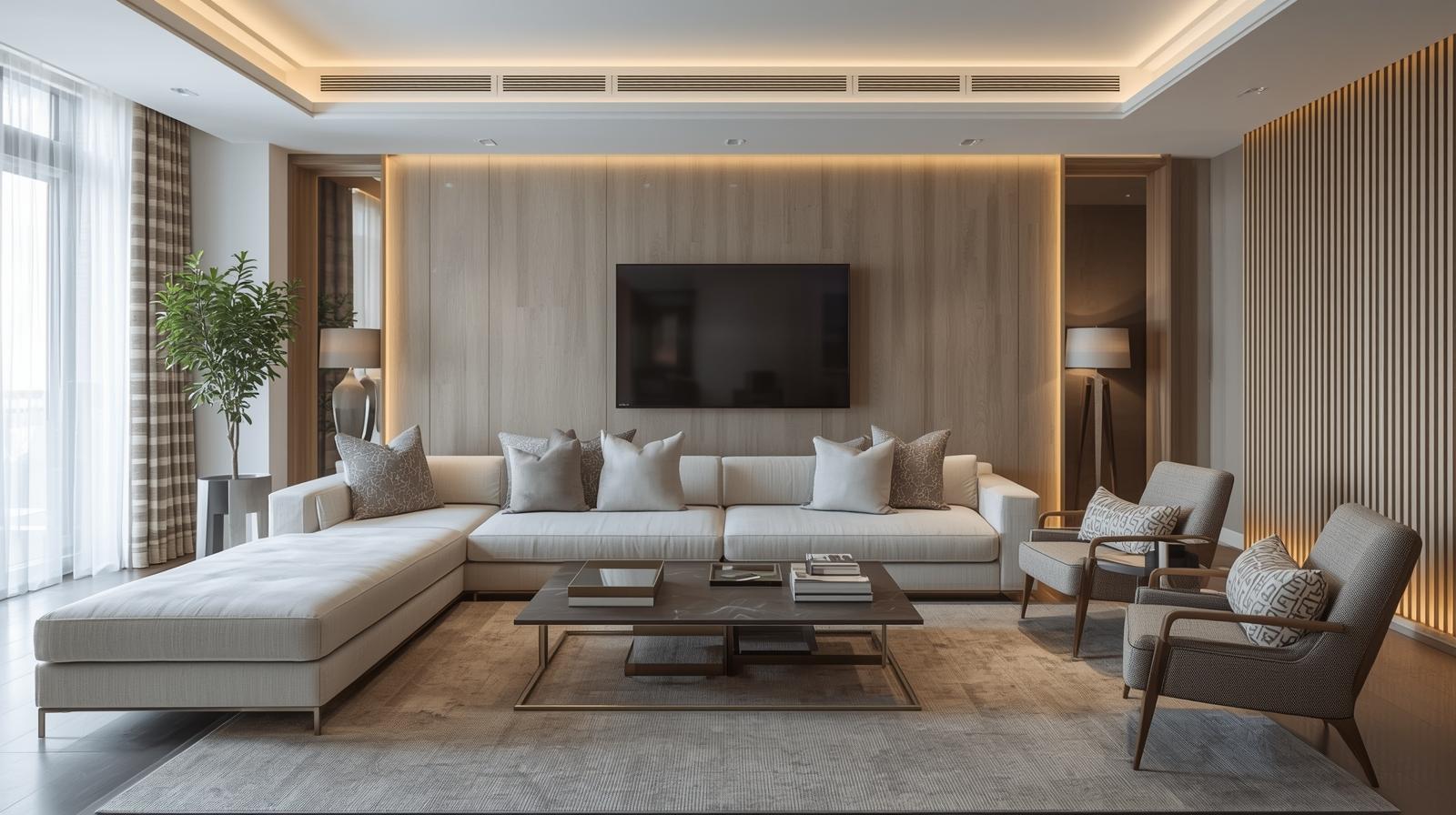
- Leave a 150–200 mm buffer gap behind sofas
- Use low-height seating (<32 inches)
- Keep armrest width below 5–6 inches
This increases visual openness by allowing natural light to pass through furniture zones.
Can Multifunctional Furniture Reduce Living Room Load?
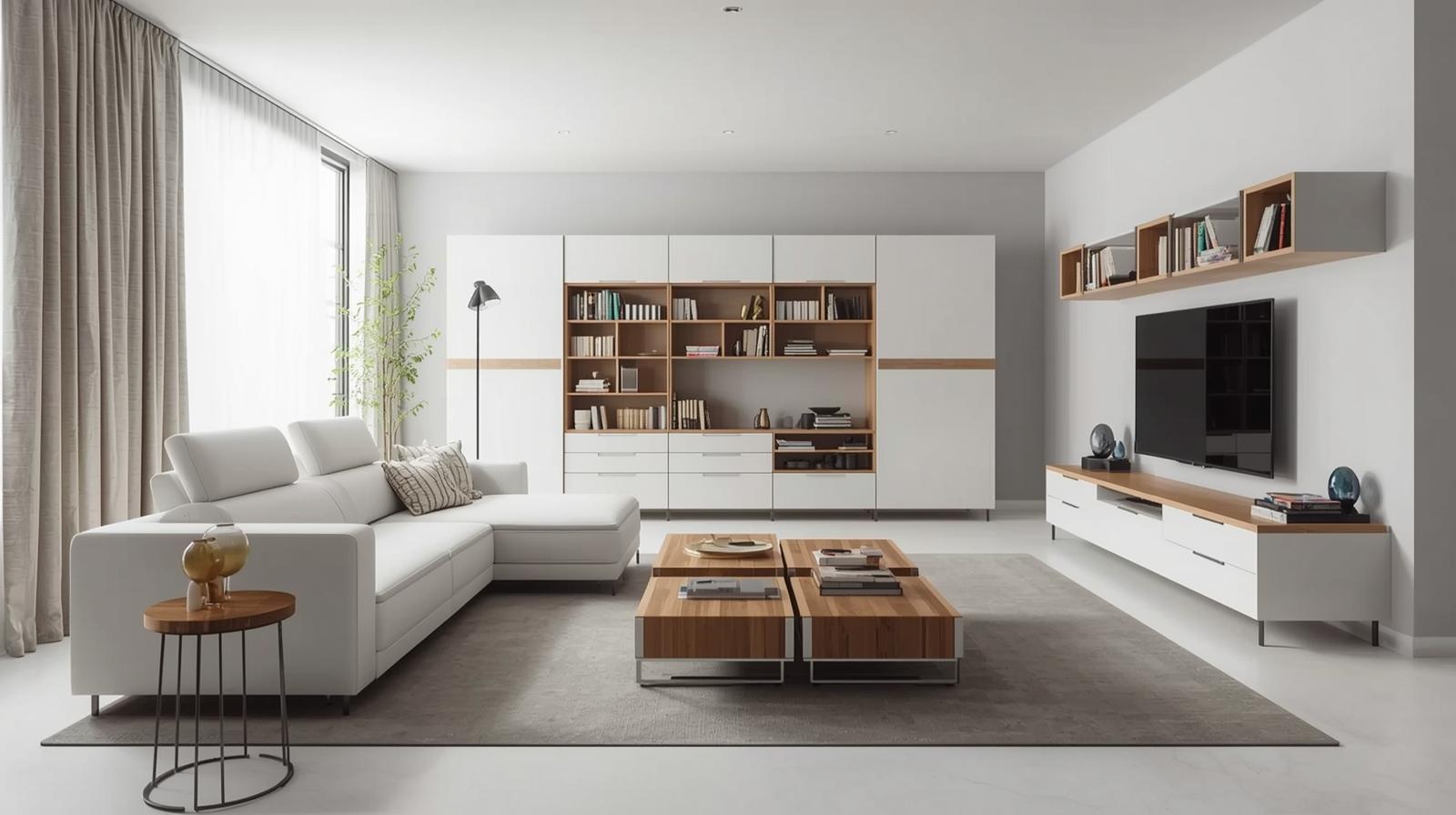
Absolutely — especially in nuclear family apartments where living rooms double as:
- Guest bedrooms
- Workstations
- Study areas
- Entertainment zones
The IKEA India “Life at Home” report states:
Multi-purpose furniture improves functional efficiency by 31% in homes under 800 sq. ft.
Smart additions include:
- Storage ottomans
- Foldable wall desks
- Sofa-cum-beds
- Nesting coffee tables
- Expandable TV consoles
Most projects handled by a Living room interior designer in Patna now prioritize movable seating clusters instead of fixed center tables.
What Wall Storage Strategies Increase Capacity Without Bulk?
Indian apartment ceiling heights average 2.75 meters (National Building Code standards). However, nearly 68% of homes leave vertical zones unused.
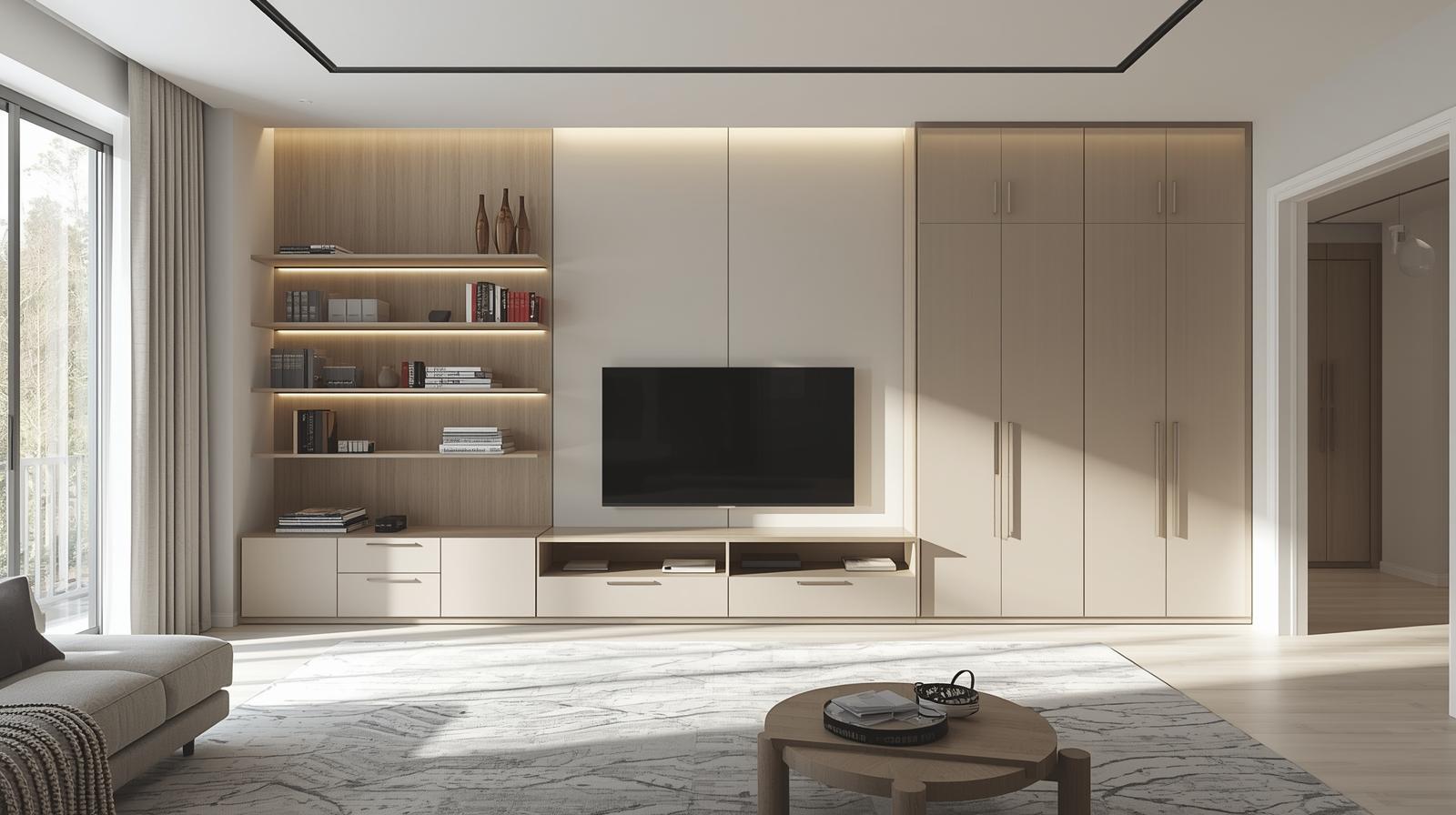
Effective Vertical Zoning Includes:
| Storage Solution | Mount Height | Usage | Floor Space Saved |
|---|---|---|---|
| Floating Cabinets | 6–7 ft | Books & decor | ~6 sq ft |
| Overhead Storage | 7–8 ft | Seasonal items | ~8 sq ft |
| TV Wall Niches | 4–5 ft | Electronics & routers | ~3 sq ft |
Properly integrated Living room interior design can increase total storage by 22–28% without increasing floor footprint.
How Does Lighting Affect Perceived Room Size?
Lighting mistakes reduce perceived room width by nearly 12%, especially when relying only on ceiling fixtures.
Layered lighting systems improve visual depth.
Recommended mix:
- Cove lighting for ceiling expansion
- Wall washers to highlight vertical surfaces
- Floor lamps for corner illumination
- Under-cabinet LED strips
The Bureau of Energy Efficiency notes that layered lighting setups can improve brightness uniformity by 30% in enclosed residential zones.
Which Colors Make Small Indian Living Rooms Look Bigger?
Light Reflectance Value (LRV) plays a huge role in compact apartments.
| Paint Shade | LRV % | Visual Impact |
|---|---|---|
| Off-White | 80% | Maximum brightness |
| Pastel Cream | 70% | Warm spaciousness |
| Light Grey | 58% | Depth without shrinking |
| Pale Sage Green | 62% | Subtle openness |
Avoid dark paints below 40% LRV unless used as an accent wall.
Should You Install Built-In TV Units in Small Living Rooms?
Yes — because standalone TV cabinets typically occupy:
- 18–22 inches depth
- 5–7 sq. ft. floor area
Custom built-ins reduce depth to 12–14 inches.
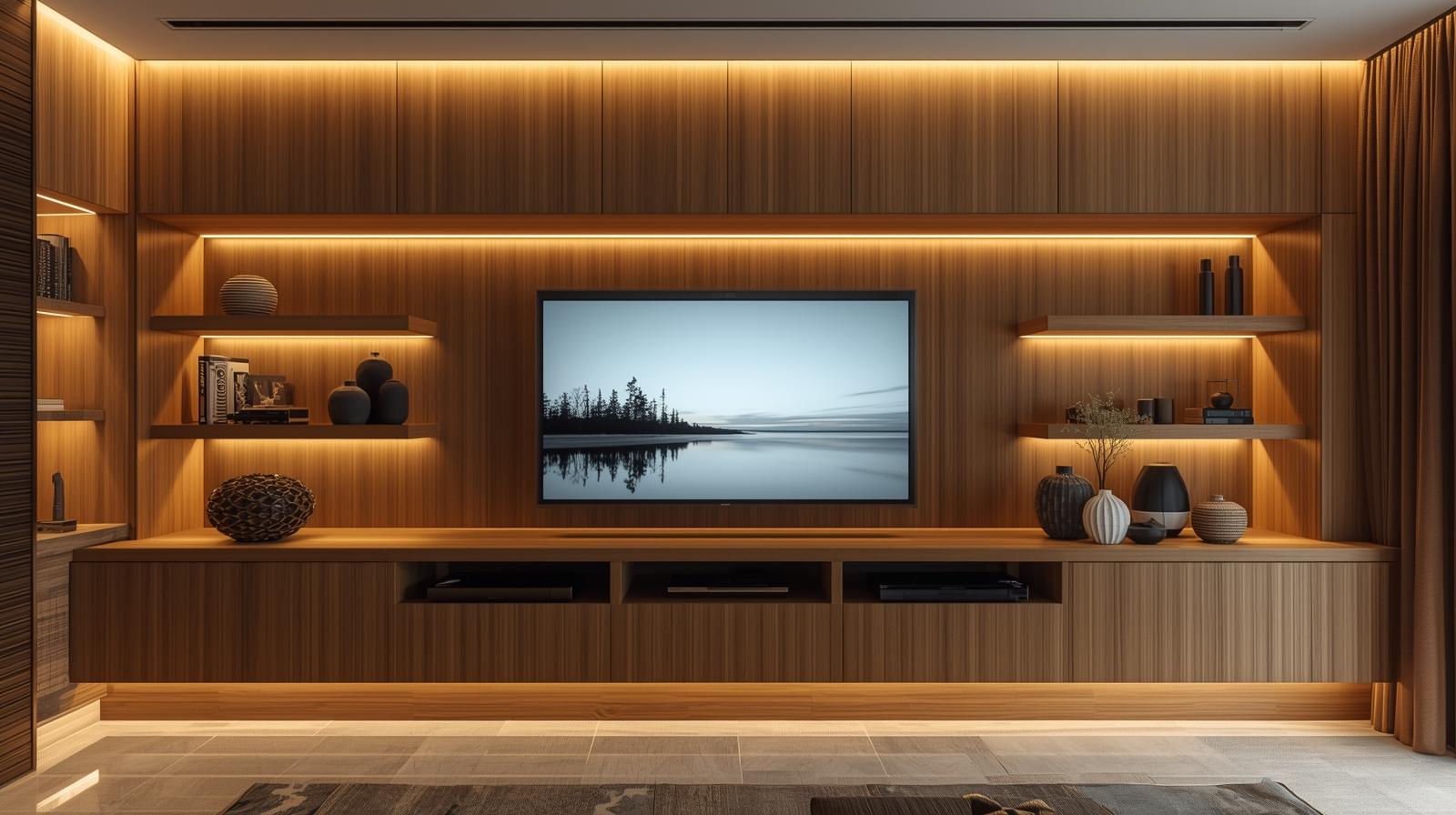
| Feature | Standalone Unit | Built-In Unit |
|---|---|---|
| Floor Usage | High | Low |
| Cable Visibility | External | Hidden |
| Dust Accumulation | High | Low |
| Cleaning Ease | Difficult | Easy |
Buyers in resale markets prefer built-ins, increasing saleability by 6–9% (MagicBricks demand data).
How Is Living Room Planning Changing in Tier-2 Cities?
With rapid housing growth in cities like Patna, apartment carpet areas are becoming more compact to manage land costs driven by ongoing urbanization in India, which has crossed 36% in recent years.
This shift has increased demand for professional layout planning — particularly from homeowners hiring a Living room interior designer in Patna before moving into new developments.
Which Materials Work Best for Bihar’s Climate?
Humidity in Bihar reaches 75–85% during monsoon months (IMD reports).
Recommended Materials:
- Engineered wood (warp-resistant)
- BWR-grade plywood
- Matte laminates
- Breathable cotton upholstery
Moisture-resistant materials increase furniture lifespan by 35–40% compared to untreated hardwood.
What Layout Mistakes Reduce Property Value?
Avoid:
- Oversized sectional sofas
- Dark floor tiles
- Floor-standing storage cabinets
- Heavy drapes
- Large center tables
Correcting these during renovation through a Living room interior designer in Patna has shown to reduce buyer negotiation margins by 5–8% in compact apartment resale transactions.
FAQs
1. What is the ideal sofa size for small Indian living rooms?
Choose sofas below 72 inches in width for rooms under 150 sq. ft. This helps maintain comfortable circulation space, improves movement pathways, and prevents visual congestion in compact apartment living room layouts.
2. Can vertical storage really improve space efficiency?
Yes — vertical zoning increases storage capacity by nearly 25% by utilizing unused wall height. It helps declutter floor areas while maintaining accessibility, making compact living rooms feel more organized and visually spacious.
3. Is modular furniture durable enough for daily use?
High-quality modular furniture lasts 8–12 years under normal usage when built using engineered wood or BWR plywood. Proper installation and regular maintenance also improve durability in compact apartment living room setups.
4. Which curtain style suits compact living rooms?
Ceiling-mounted curtains improve wall height perception by 10–12% by drawing the eye upward. Extending rods beyond window frames also allows more natural light entry and creates an illusion of wider living room walls.
5. Should I use glossy or matte flooring?
Glossy vitrified tiles reflect 20–25% more light than matte surfaces, improving brightness levels. This enhanced reflectivity helps small living rooms appear larger, cleaner, and more open by distributing available natural daylight efficiently.