Designing a kitchen today goes far beyond selecting cabinets, countertops, or finishes. Modern kitchens are a reflection of lifestyle, efficiency, and long-term comfort. Choosing the Best Modular Kitchen Designer in Patna ensures that the latest design trends are applied thoughtfully, creating spaces that are both practical and visually appealing. Expert designers balance aesthetics with functionality, considering factors such as workflow, storage optimization, lighting, and material durability. Their guidance ensures that kitchens not only look stylish but also support everyday routines seamlessly, making cooking, cleaning, and social interaction more efficient.
In Patna, kitchens face unique challenges, including compact layouts, multi-purpose usage, and climate-sensitive design requirements. Following trends blindly can result in impractical or short-lived solutions. By focusing on usability, durable materials, efficient layouts, and adaptive designs, homeowners can create kitchens that remain relevant and elegant over time. A well-planned kitchen maximizes space, improves comfort, and anticipates future needs, ensuring lasting satisfaction and value.
Why Kitchen Design Trends Matter for Indian Homes
Kitchen trends influence more than appearance. They directly affect workflow efficiency, hygiene, storage capacity, and maintenance ease. In Indian households, kitchens remain one of the most actively used spaces, often functioning throughout the day.
When kitchens are planned thoughtfully:
- Movement becomes effortless
- Storage stays organized
- Cooking becomes less tiring
- Maintenance becomes manageable
As lifestyles evolve, kitchen designs must respond accordingly. This is why trend awareness, when guided by professional insight, becomes valuable.
User Intent Behind Searching Kitchen Design Trends
Most homeowners researching kitchen trends are already planning:
- Renovations
- New home interiors
- Functional upgrades
- Space optimization
They are not looking for inspiration alone. They seek clarity, reliability, and long-term value. This article addresses these middle and bottom funnel needs by focusing on application, not just aesthetics.
1. Colour Trends Moving Beyond Pure White
Warm Neutrals Take Priority
White kitchens are giving way to warmer neutrals that feel inviting and timeless. Shades like soft beige, muted greige, light clay, and warm grey create comfort while remaining versatile.
Benefits of Warm Neutrals:
- Reduce glare from natural and artificial light
- Age gracefully without frequent repainting
- Blend seamlessly with Indian cooking environments
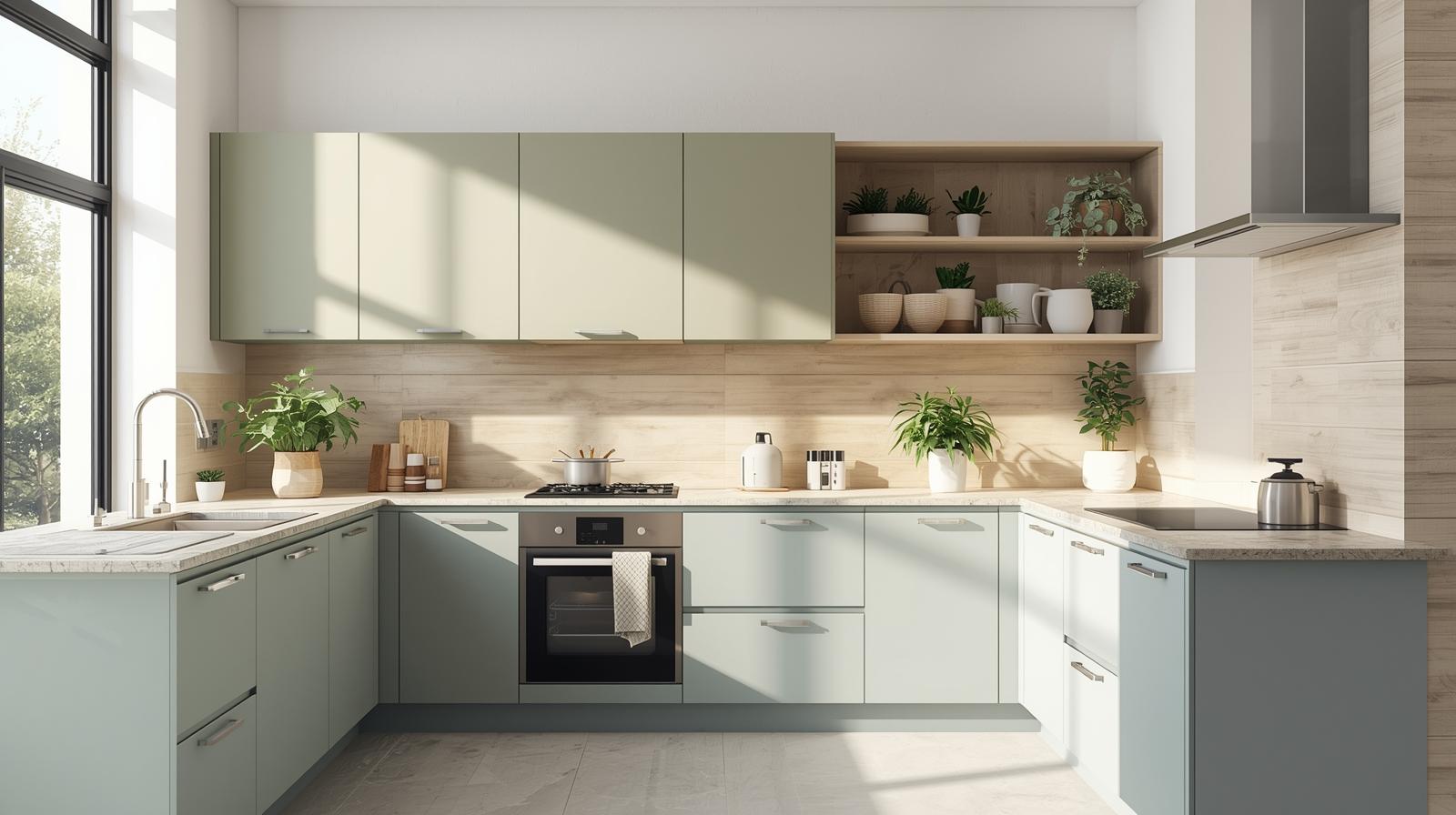
Dual-Tone Cabinets for Depth
Contrasting upper and lower cabinets add dimension without crowding the visual field.
Popular Combinations Include:
- Warm beige with charcoal grey
- Soft sage green with off-white
- Wood textures paired with matte neutral finishes
These palettes enhance both style and functionality.
2. Layouts Designed for Compact Efficiency
Functional Zoning Over Size
Modern kitchen design prioritizes function over sheer space. Compact kitchens achieve efficiency when zones are clearly defined.
Key Zones Include:
- Preparation: Counter space for chopping and mixing
- Cooking: Stove and oven placement for ease of use
- Cleaning: Sink and dishwasher integration
- Storage: Cabinets and drawers for organized access
A Best Modular Kitchen Designer in Patna ensures zoning precision for optimal workflow.
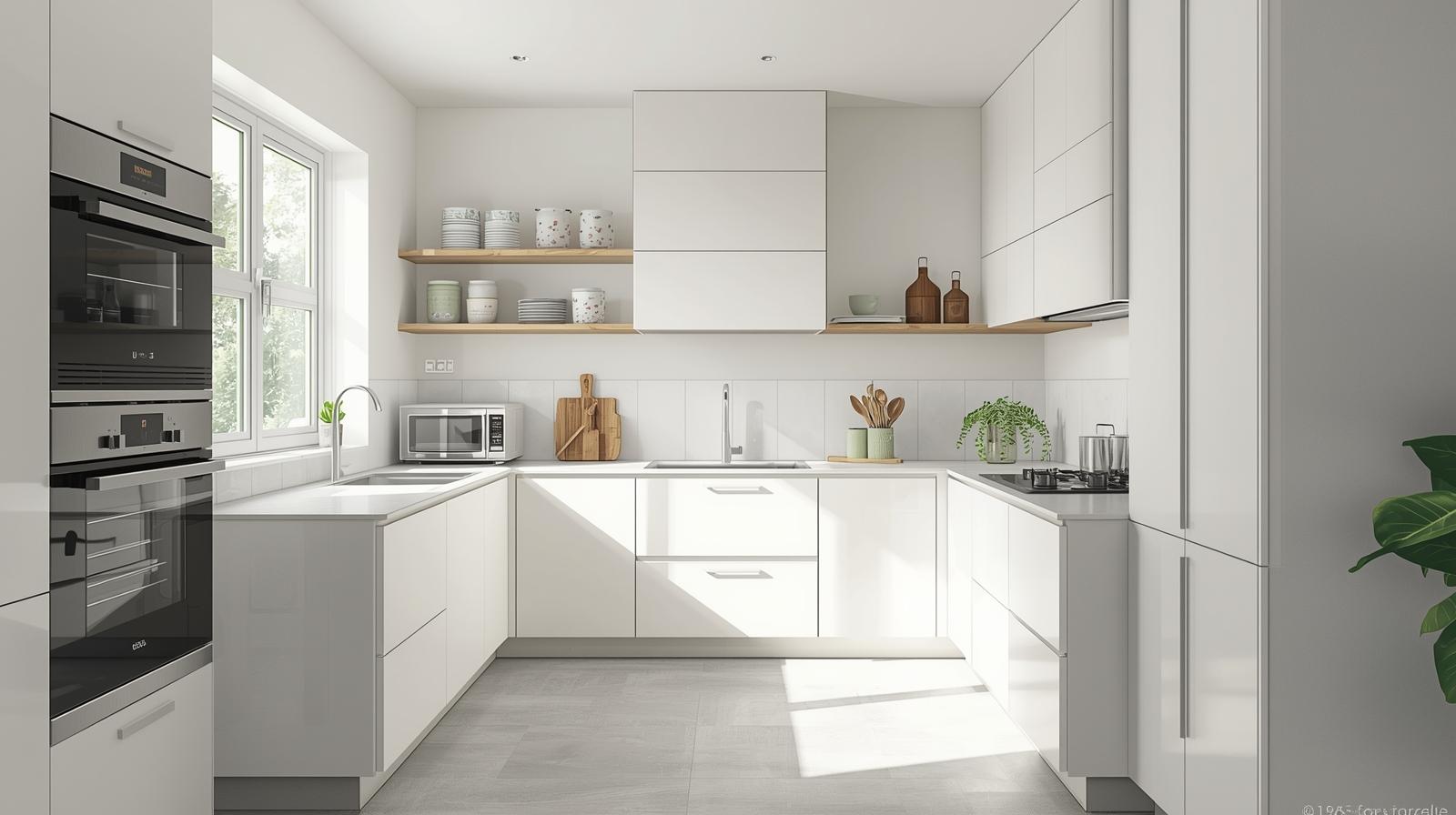
L-Shaped and Parallel Layout Dominance
Urban kitchens favor L-shaped and parallel arrangements because they:
- Promote smooth movement
- Align ventilation efficiently
- Distribute storage evenly
These layouts combine practicality with spatial optimization.
3. Workflow Transparency in Kitchen Planning
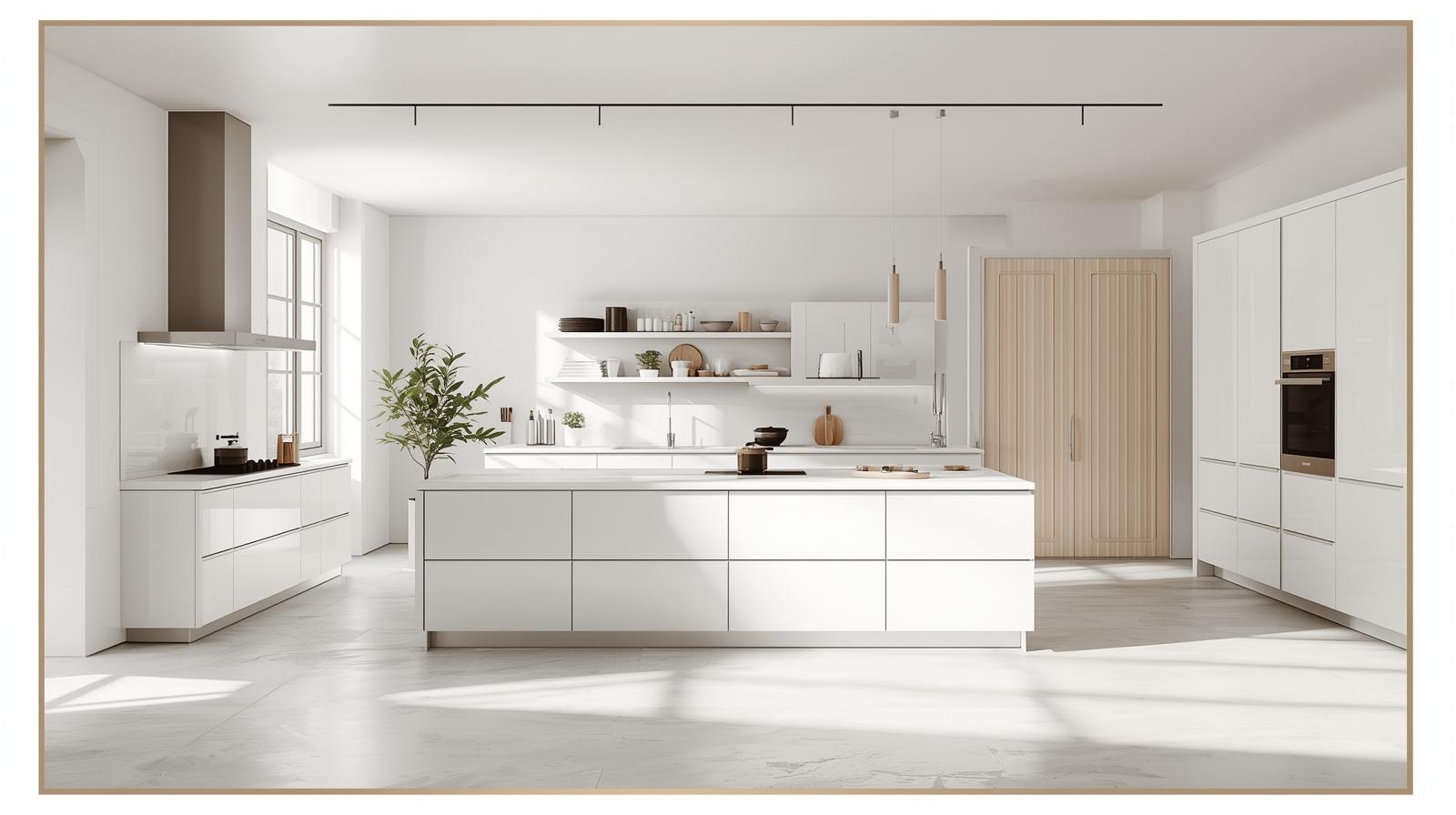
This is where many homeowners face confusion. A professional interior design company in Patna should explain the kitchen planning process step-by-step, from layout selection to final installation.
Why Process Transparency Matters
Clear workflow communication helps:
- Set Realistic Expectations: Homeowners know what to anticipate.
- Reduce Decision Fatigue: Streamlined steps prevent overwhelm.
- Minimize Execution Errors: Fewer mistakes during installation.
Typical Workflow Stages Include:
- Requirement understanding and space analysis
- Layout finalization with client input
- Material and finish selection
- Technical drawings and 3D visualization
- Installation and final coordination
This ensures a smooth, efficient, and satisfying kitchen project
4. Material Trends Focused on Longevity
Moisture-Resistant Cabinet Boards
Indian kitchens, especially in humid regions like Patna, demand durable materials that withstand moisture and temperature changes. Preferred options include:
- Engineered Wood with Protective Coatings: Resists warping and swelling.
- High-Density Boards for Humid Climates: Ensures structural stability and long-term performance.
Matte Finishes Over Gloss
Matte cabinet finishes are increasingly favored over glossy surfaces due to:
- Less Visible Fingerprints: Keeps cabinets looking clean longer.
- Scratch Camouflage: Minor abrasions blend naturally.
- Easier Maintenance: Cleaning is simpler and requires less effort.
These choices enhance both durability and aesthetic longevity in modern kitchens.
5. Countertop Materials That Balance Style and Strength
Quartz Surfaces Gain Popularity
Quartz countertops are becoming the go-to choice for modern kitchens because they combine beauty with practicality. Key benefits include:
- Uniform Appearance: Smooth, consistent surface enhances visual harmony.
- Stain Resistance: Handles common kitchen spills without lasting marks.
- Low Maintenance: Easy to clean with minimal effort.
Quartz is particularly suitable for Indian kitchens where frequent cooking and cleaning are routine.
Natural Stone Used Selectively
Granite, marble, and other natural stones are still popular but are used thoughtfully to avoid issues with:
- Weight: Heavier slabs require strong support.
- Porosity: Proper sealing prevents moisture absorption and staining.
This approach ensures durability without compromising style.
6. Storage Solutions Designed for Indian Cooking Habits
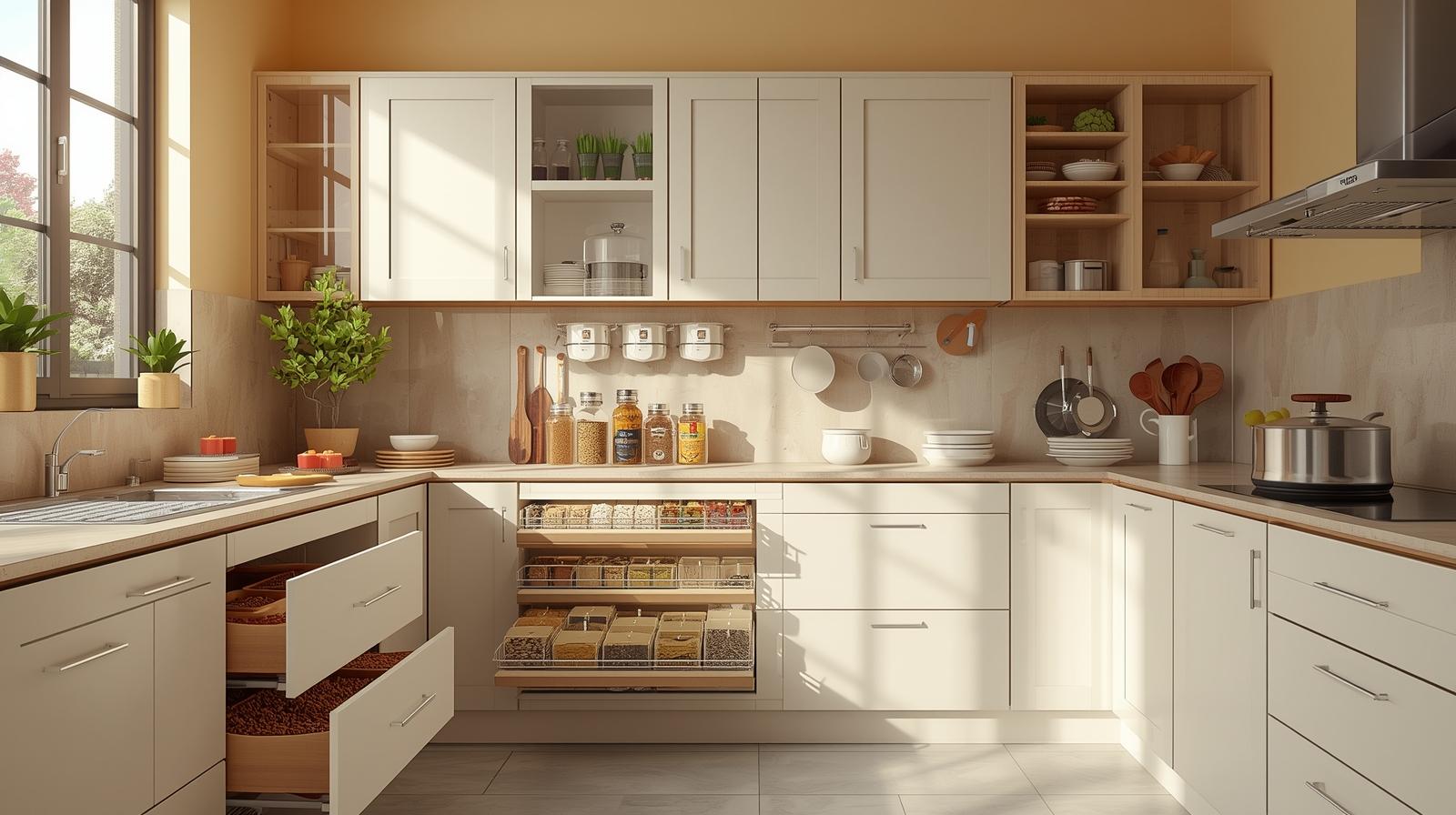
Vertical Storage Optimization
Modern kitchens are being planned with tall units and full-height cabinets to make better use of vertical space. This approach reduces clutter, improves storage capacity, and keeps frequently used items within easy reach without overcrowding countertops.
Drawer-Based Storage Systems
Drawers are increasingly preferred over deep cabinets because they improve visibility and accessibility. Every item can be reached without excessive bending or searching. Common and highly functional drawer integrations include:
- Spice organizers for daily cooking
- Cutlery trays for neat arrangement
- Utility pull-outs for oils, utensils, and essentials
These solutions align storage with real Indian cooking routines.
7. Smart Hardware Integration Without Overcomplication
Soft-Close Mechanisms as Standard
Modern kitchens increasingly rely on soft-close hinges and drawer channels as a baseline feature. These mechanisms ensure quieter operation, minimize impact damage, and extend the lifespan of cabinets. Over time, daily usage feels smoother and more refined, supporting long-term functionality without added complexity.
Functional Accessories Over Decorative Ones
Instead of visual add-ons, hardware choices are driven by practicality. Everyday efficiency is improved through well-planned accessories such as:
- Bottle pull-out units for easy access
- Corner carousel systems for space optimization
- Under-sink organizers for clutter control
This approach keeps kitchens efficient, durable, and easy to maintain.
8. Lighting Trends That Improve Usability
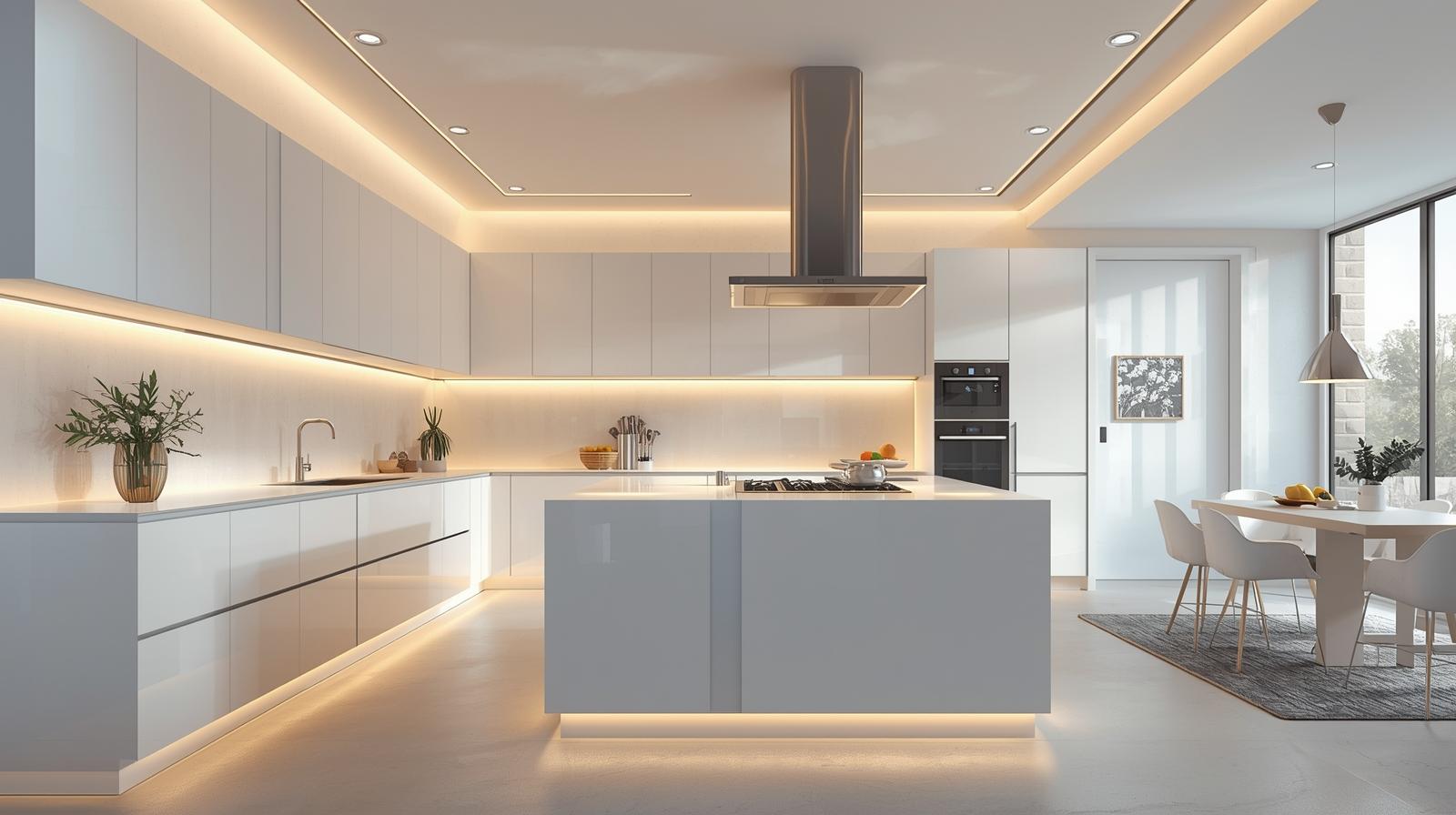
Layered Lighting Approach
Kitchen lighting is now planned with usability in mind rather than decoration alone. A layered system is adopted to ensure comfort and efficiency during daily tasks. This approach creates balanced illumination across different zones while reducing eye strain and shadows.
- Ambient lighting for overall brightness and uniform visibility
- Task lighting under cabinets to support cooking and preparation
- Accent lighting to enhance depth and visual balance
Natural Light Optimization
Daylight is maximized to improve openness and energy efficiency. Designers focus on:
- Strategic window placement
- Reflective backsplash materials
- Light-toned finishes that amplify brightness
9. Handle-Less and Minimal Profiles
Clean Lines for Easy Maintenance
Handle-less cabinetry continues to gain preference because it supports both hygiene and visual clarity. Groove profiles, push-to-open mechanisms, and integrated handles reduce surface interruptions, making cabinets easier to wipe and maintain. As fewer joints and protrusions are present, dust accumulation is minimized significantly.
Additionally, these minimal profiles create a seamless flow across the kitchen, allowing spaces to feel larger and more organized. This approach aligns well with modern lifestyles where low-maintenance solutions are valued. By combining clean lines with functional hardware, kitchens achieve a refined look without sacrificing everyday practicality.
10. Backsplash Designs That Balance Style and Cleaning Ease
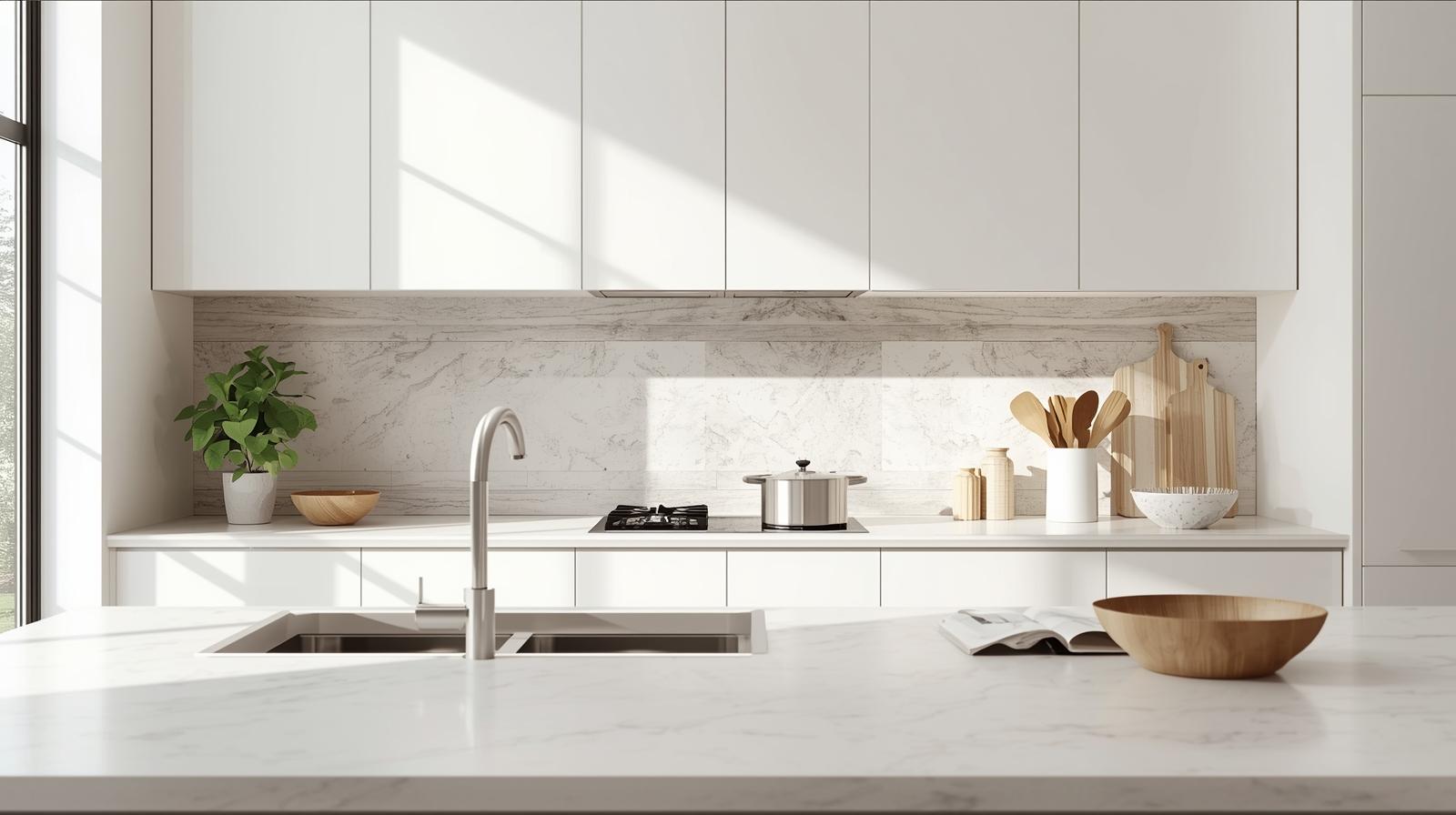
Large Format Tiles
Large format tiles are increasingly preferred because fewer grout lines are required. As a result, grease and moisture accumulation is reduced, making daily cleaning easier. Additionally, these tiles create a seamless visual flow that enhances spaciousness in the kitchen.
Subtle Textures Over Bold Patterns
Rather than loud or complex patterns, understated textures and muted finishes are being selected. These designs add depth without visual clutter. Moreover, subtle surfaces age better, remain timeless, and support effortless maintenance while preserving a refined, balanced kitchen aesthetic.
Comparison : Traditional vs Modern Kitchen Planning
| Feature | Traditional Kitchens | Trend-Driven Kitchens |
|---|---|---|
| Storage | Limited cabinets | Vertical + drawer systems |
| Lighting | Single source | Layered lighting |
| Materials | Gloss finishes | Matte, durable surfaces |
| Layout | Fixed | Zone-based planning |
Patna-Specific Kitchen Design Considerations
Kitchens in Patna must respond to:
- Climate conditions
- Multi-generational usage
- Compact urban homes
Designers with local expertise understand how to balance tradition with efficiency. This ensures kitchens remain practical rather than purely decorative.
Long-Term Value of Trend-Aware Kitchen Design
Trend-aligned kitchens:
- Reduce future renovation needs
- Improve daily usability
- Enhance property appeal
When guided by the Best Modular Kitchen Designer in Patna, trends are implemented thoughtfully rather than followed blindly.
Conclusion
Kitchen design trends for 2026 are shaped by a strong focus on functionality, durability, and understated elegance rather than visual excess. Warm, calming colour palettes, efficient layouts, and intelligently planned storage systems are being prioritised to support everyday routines and long-term comfort. Each design choice is meant to enhance usability, improve workflow, and reduce unnecessary clutter, ensuring the kitchen remains practical across changing needs.
When these trends are evaluated thoughtfully and applied with purpose, kitchens evolve into spaces that truly support modern lifestyles. Careful planning helps maintain organisation, comfort, and visual balance while allowing flexibility for future adjustments. With the right guidance, emerging trends are translated into meaningful design solutions—creating kitchens that are dependable, well-structured, and enjoyable spaces for daily living over the years.
Frequently Asked Questions
1. How do I choose the Best Modular Kitchen Designer in Patna?
Evaluate experience with local layouts, material knowledge, and workflow clarity. Designers who explain processes clearly and adapt kitchens to daily routines demonstrate reliability and long-term planning expertise.
2. Why are matte finishes preferred in modern kitchens?
Matte finishes hide fingerprints, reduce glare, and require less maintenance. They also age better visually, making them suitable for frequently used Indian kitchens.
3. Which kitchen layout works best for compact homes?
L-shaped and parallel layouts offer efficient movement, better storage distribution, and improved ventilation, making them ideal for compact urban homes.
4. How important is storage customization in kitchen design?
Customized storage improves organization, reduces clutter, and aligns the kitchen with cooking habits. It ensures that every inch of space is utilized effectively.
5. Can an interior design company in Patna handle modular kitchens?
Yes, an experienced interior design company in Patna can manage kitchen planning by integrating layout efficiency, material durability, and functional detailing for consistent results.