Choosing the Best Interior Designer in Patna is often treated as a quick decision, yet the outcome impacts comfort, functionality, and long-term satisfaction. A well-chosen professional ensures that layouts flow naturally, materials perform reliably in local conditions, and personal preferences are reflected with clarity. Because design decisions influence daily living, the right guidance becomes essential rather than optional.
In Patna, homes and workspaces face unique spatial patterns, climate considerations, and cultural expectations. Therefore, careful evaluation is required before any commitment is made. This guide has been created to help serious decision-makers avoid common oversights and focus on proven criteria that lead to dependable results.
By understanding these ten crucial points, informed choices can be made confidently. Each section explains what is often ignored, why it matters, and how it affects final outcomes—ensuring your interior journey feels structured, transparent, and rewarding.
Why Choosing the Right Interior Designer Matters in Patna
Patna’s residential and commercial spaces are shaped by evolving lifestyles and compact urban planning. As a result, interiors must balance aesthetics with practicality. When the Best Interior Designer in Patna is selected thoughtfully, space constraints are handled efficiently, ventilation is improved, and daily usability is enhanced.
Additionally, regional preferences influence color palettes, materials, and layouts. Local insight ensures that designs remain relevant rather than generic. For this reason, professional expertise grounded in regional understanding is always beneficial.
User Intent: What People Really Want When Searching
Most people searching for design expertise are not browsing casually. Instead, they are preparing for renovation, new construction, or a functional upgrade. They seek clarity, reliability, and long-term value.
Key expectations usually include:
- Practical layout solutions for limited spaces
- Materials suitable for Patna’s climate
- Clear design processes and timelines
- Long-lasting finishes and thoughtful detailing
This article focuses on these middle and bottom funnel needs, ensuring real questions are answered directly.
1. Proven Experience With Local Space Planning
Understanding Patna’s Layout Challenges
Space planning in Patna requires thoughtful zoning. Older buildings, narrow plots, and multi-generational homes demand careful circulation planning. Experienced designers anticipate these challenges and respond with logical layouts.
Why Local Experience Counts
Designers familiar with local housing patterns are better equipped to manage light flow, ventilation, and movement. As a result, interiors feel spacious even when square footage is limited.
Key indicators to check:
- Past projects in similar property types
- Demonstrated problem-solving in compact layouts
- Clear explanation of zoning strategies
2. Ability to Translate Lifestyle Into Design
Listening Beyond Aesthetics
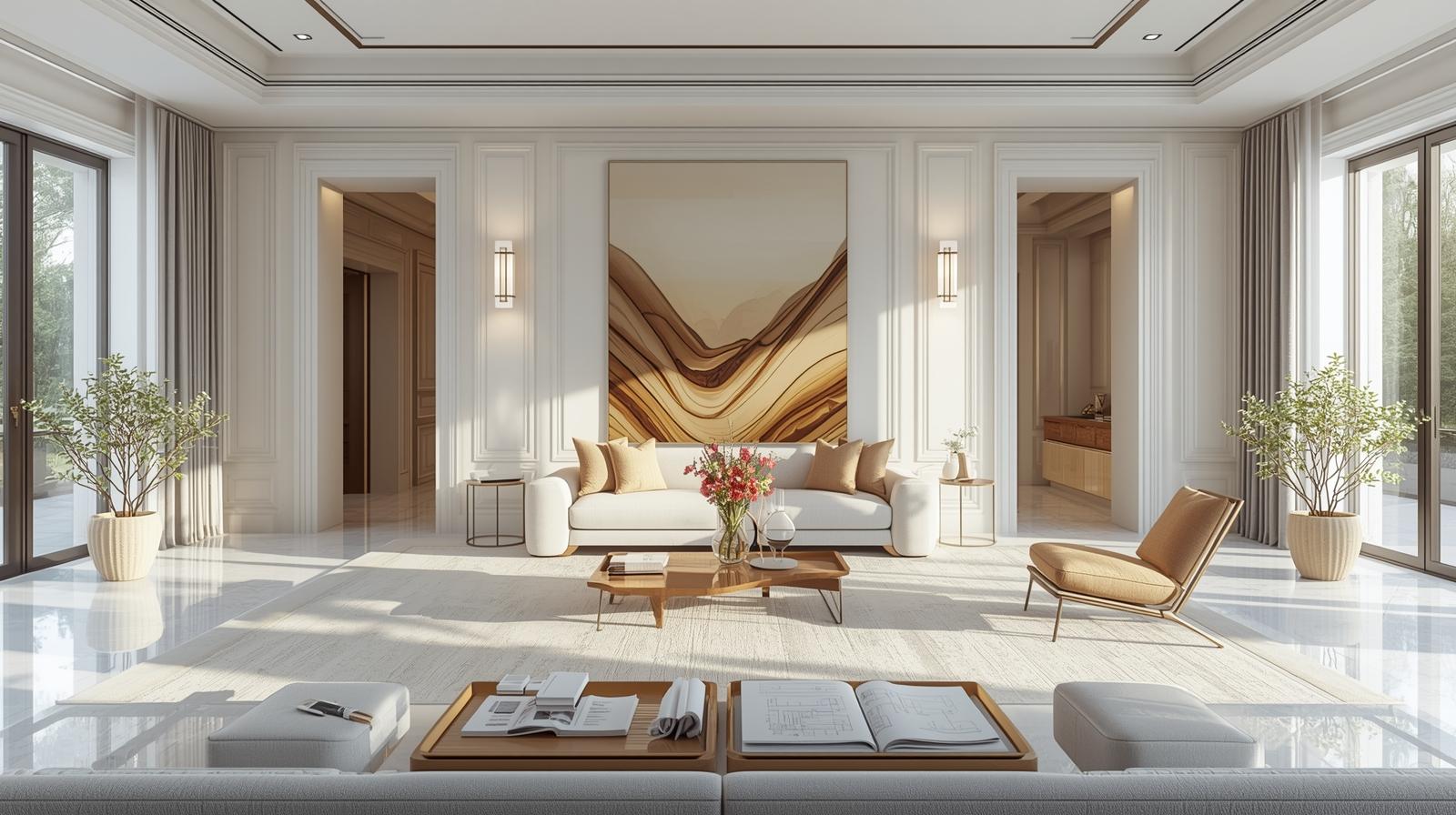
Effective interior design goes far beyond selecting colors, furniture, or decorative elements. A Best Interior Designer in Patna carefully studies daily routines, family dynamics, work schedules, and personal habits to create spaces that support natural flow and practical living. Understanding these subtle nuances ensures that each room is not only visually appealing but also highly functional, accommodating real-life activities seamlessly.
Personalization Through Process
Designers who prioritize structured consultations, detailed questionnaires, and collaborative brainstorming can translate client preferences into tangible design solutions. This approach results in interiors that feel intuitive, comfortable, and genuinely reflective of the homeowner’s lifestyle, rather than generic or imposed aesthetics.
3. Transparency in Design Workflow (Often Overlooked)
In the third paragraph of this section, clarity becomes critical because this is where many clients encounter confusion. A professional interior design company in Patna should clearly outline each phase—from concept development to final execution—without ambiguity.
Why Workflow Transparency Matters
When steps are explained clearly, expectations remain realistic. Miscommunication is minimized, and confidence is built naturally.
A clear workflow usually includes:
- Requirement analysis
- Concept presentation
- Detailed planning
- Execution coordination
- Final walkthrough
4. Material Knowledge Beyond Surface-Level Choices
Climate-Suitable Material Selection
In regions like Patna, where humidity levels and temperature fluctuations are significant, choosing the right materials is crucial. Skilled interior designers go beyond aesthetic appeal, carefully selecting woods, laminates, and finishes that resist warping, fading, and moisture damage. Proper material choices ensure that furniture, flooring, and cabinetry remain durable and functional over time, even under challenging environmental conditions.
Long-Term Performance Focus
Rather than following short-lived trends, designers emphasize longevity and maintenance ease. This approach ensures that interiors not only retain their visual charm but also perform efficiently for years, providing homeowners with sustainable, worry-free living spaces.
5. Functional Lighting Design (Not Just Decorative)

Layered Lighting Principles
Lighting is a vital element that affects ambiance, functionality, and overall well-being. Effective designers implement layered lighting strategies, combining ambient illumination for general brightness, task lighting for focused activities, and accent lighting to highlight architectural features or décor.
Natural Light Optimization
Maximizing natural light is equally important. By strategically placing windows, skylights, and reflective surfaces, designers enhance daylight penetration, making interiors feel open, airy, and welcoming while reducing dependency on artificial lighting throughout the day.
6. Customization Over Template-Based Designs
Avoiding One-Size-Fits-All Solutions
Generic, template-based designs often overlook the unique requirements of a household or workspace. A professional interior designer carefully analyzes individual needs, spatial constraints, and lifestyle preferences to craft tailored solutions. Each design element—from furniture selection to layout—is intentionally chosen to enhance both function and aesthetics, ensuring harmony throughout the space.
Tailored Storage and Furniture Planning
Custom storage and furniture arrangements reduce clutter, improve organization, and optimize usability. By integrating personalized shelving, modular units, and bespoke furnishings, spaces remain highly efficient, visually balanced, and reflective of the occupant’s personality.
7. Coordination Skills With Multiple Stakeholders
Managing Execution Seamlessly
Interior design projects require continuous coordination among craftsmen, vendors, site supervisors, and clients. A designer with strong coordination skills ensures that communication flows smoothly and responsibilities remain clearly defined at every stage of execution.
Reducing Delays Through Planning
By planning schedules in advance and monitoring progress regularly, potential issues are identified early and resolved efficiently. This proactive approach helps prevent delays, maintains workflow consistency, and ensures the project moves forward with clarity, control, and reliable outcomes.
8. Documentation and Design Clarity
Importance of Detailed Drawings
Comprehensive drawings play a vital role in maintaining design accuracy and execution quality. When layouts, elevations, and technical details are clearly documented, the chances of misinterpretation are significantly reduced. These drawings serve as reliable reference points for all stakeholders, ensuring consistency from concept to completion.
Visual Communication Tools
Mood boards, space layouts, and 3D visualizations allow clients to clearly imagine the final outcome. As a result, expectations remain aligned, approvals become faster, and design decisions are made with greater confidence and clarity.
9. Adaptability to Changing Requirements
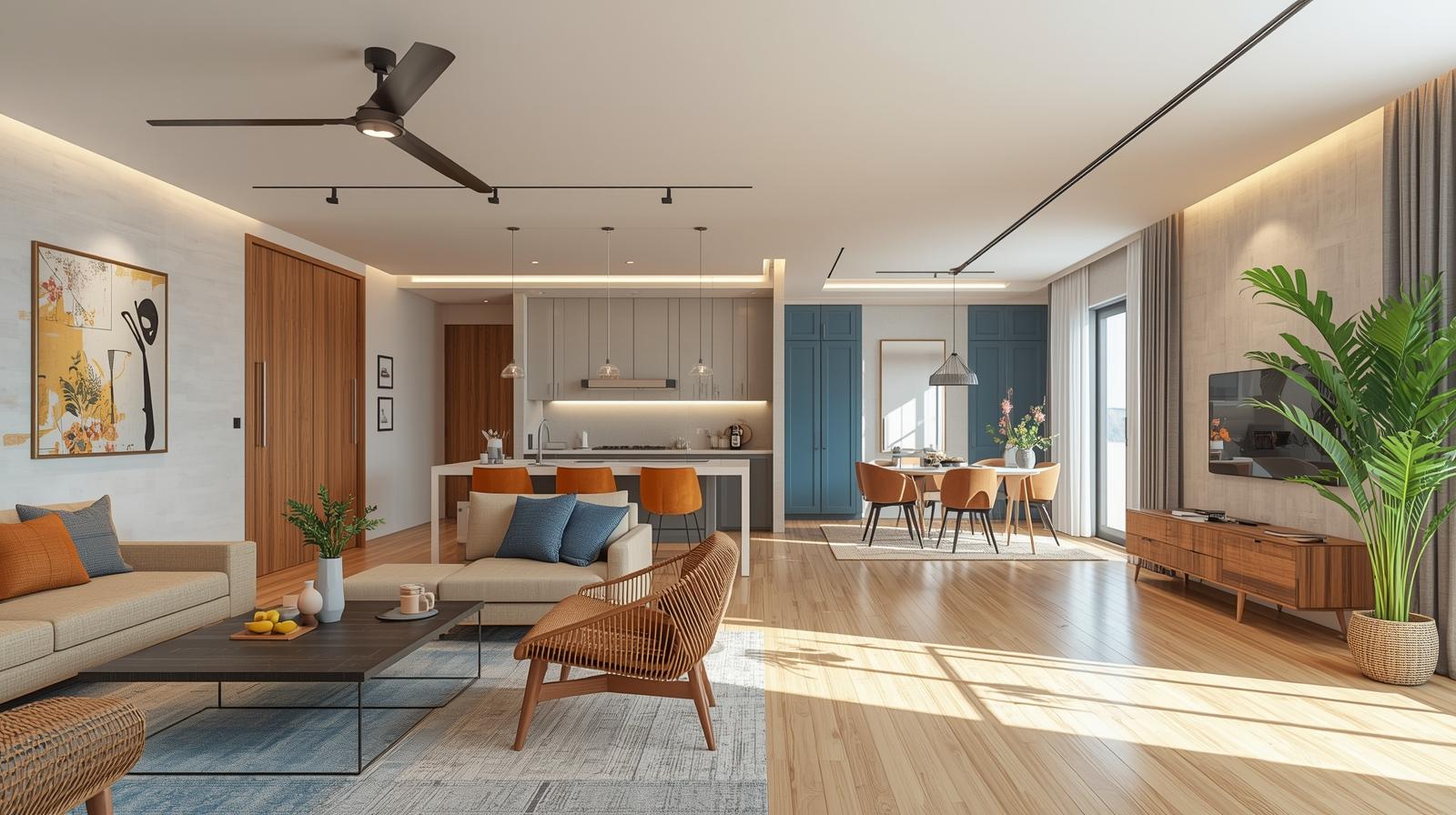
Flexibility Without Compromise
Interior projects often evolve as new ideas emerge or practical needs change. A capable designer remains flexible while ensuring the overall design vision stays consistent. Adjustments are handled thoughtfully so that quality, balance, and functionality are never compromised, even when revisions are required mid-process.
Problem-Solving Approach
Unexpected challenges such as spatial constraints or technical limitations are addressed through calm, solution-driven thinking. By evaluating alternatives logically, designers preserve both usability and aesthetic harmony throughout the project.
10. Professional Ethics and Accountability
Reliability as a Design Value
Professional ethics form the foundation of a trustworthy interior design process. When commitments are honored and timelines are respected, confidence is naturally built. Clear communication, transparent decisions, and responsible handling of challenges reflect integrity and reliability throughout the project lifecycle.
Long-Term Relationship Mindset
Designers who value long-term relationships remain accountable even after project completion. Continued guidance, timely support, and consistent follow-ups demonstrate genuine professionalism, ensuring clients feel supported well beyond the final handover.
Comparison : What to Evaluate Before Finalizing
| Criteria | Why It Matters | What to Look For |
|---|---|---|
| Local Experience | Ensures contextual relevance | Past Patna-based projects |
| Workflow Transparency | Reduces confusion | Clear stage-wise explanation |
| Material Knowledge | Enhances durability | Climate-suitable recommendations |
| Customization | Improves usability | Tailored solutions |
| Coordination | Smooth execution | Organized communication |
How to Shortlist Confidently
A structured approach simplifies selection. Consider the following checklist:
- Review portfolios carefully
- Ask process-related questions
- Assess communication clarity
- Evaluate problem-solving mindset
- Check post-completion support
When these factors align, decision-making becomes straightforward.
Patna-Specific Design Considerations
Patna homes often blend tradition with modern needs. Designers who respect this balance deliver interiors that feel authentic. Cultural sensitivity, spatial awareness, and climate responsiveness define successful outcomes.
Moreover, locally informed designers understand evolving preferences without losing regional character. This balance elevates everyday living experiences.
Long-Term Value of the Right Choice
Choosing wisely prevents rework and dissatisfaction. Interiors designed thoughtfully retain relevance for years. As a result, investments feel justified through consistent comfort and functionality.
Additionally, design quality influences well-being. Calm environments promote relaxation, productivity, and harmony—benefits that extend beyond aesthetics.
Conclusion
Selecting the Best Interior Designer in Patna requires more than visual appreciation. It demands evaluation of experience, process clarity, material knowledge, and ethical conduct. When these ten crucial points are considered carefully, design outcomes become predictable, functional, and deeply satisfying.
Instead of rushing decisions, informed evaluation should be prioritized. With the right professional guidance, spaces are transformed thoughtfully, ensuring they support lifestyles while reflecting personal identity. The journey toward well-designed interiors begins with awareness—and the right choice makes all the difference.
Frequently Asked Questions
1. How do I identify the Best Interior Designer in Patna?
The Best Interior Designer in Patna can be identified by evaluating local project experience, clear design workflows, and transparent communication. Strong portfolios, customization ability, and consistent problem-solving skills indicate professional reliability and long-term design competence.
2. Why is local experience important for interior design?
Local experience helps designers understand regional climate, space limitations, construction practices, and lifestyle preferences. This knowledge allows interiors to be planned with durable materials, efficient layouts, and practical solutions that remain comfortable and functional across seasons.
3. How much involvement is expected from clients?
Client involvement is mainly required during requirement discussions, design approvals, and key decisions. Daily coordination and execution are professionally managed, ensuring preferences are respected while minimizing stress and saving time throughout the interior design process.
4. What role does customization play in interior design?
Customization ensures interiors reflect daily routines, storage needs, and personal preferences. It eliminates unused spaces, improves functionality, and creates balanced designs that feel intuitive, comfortable, and aligned with practical living requirements.
5. Can an interior design company in Patna handle both homes and offices?
Yes, experienced professionals can manage both residential and commercial projects. A capable interior design company in Patna adapts design principles to deliver comfort for homes and productivity-focused layouts for offices, while maintaining quality and consistency.