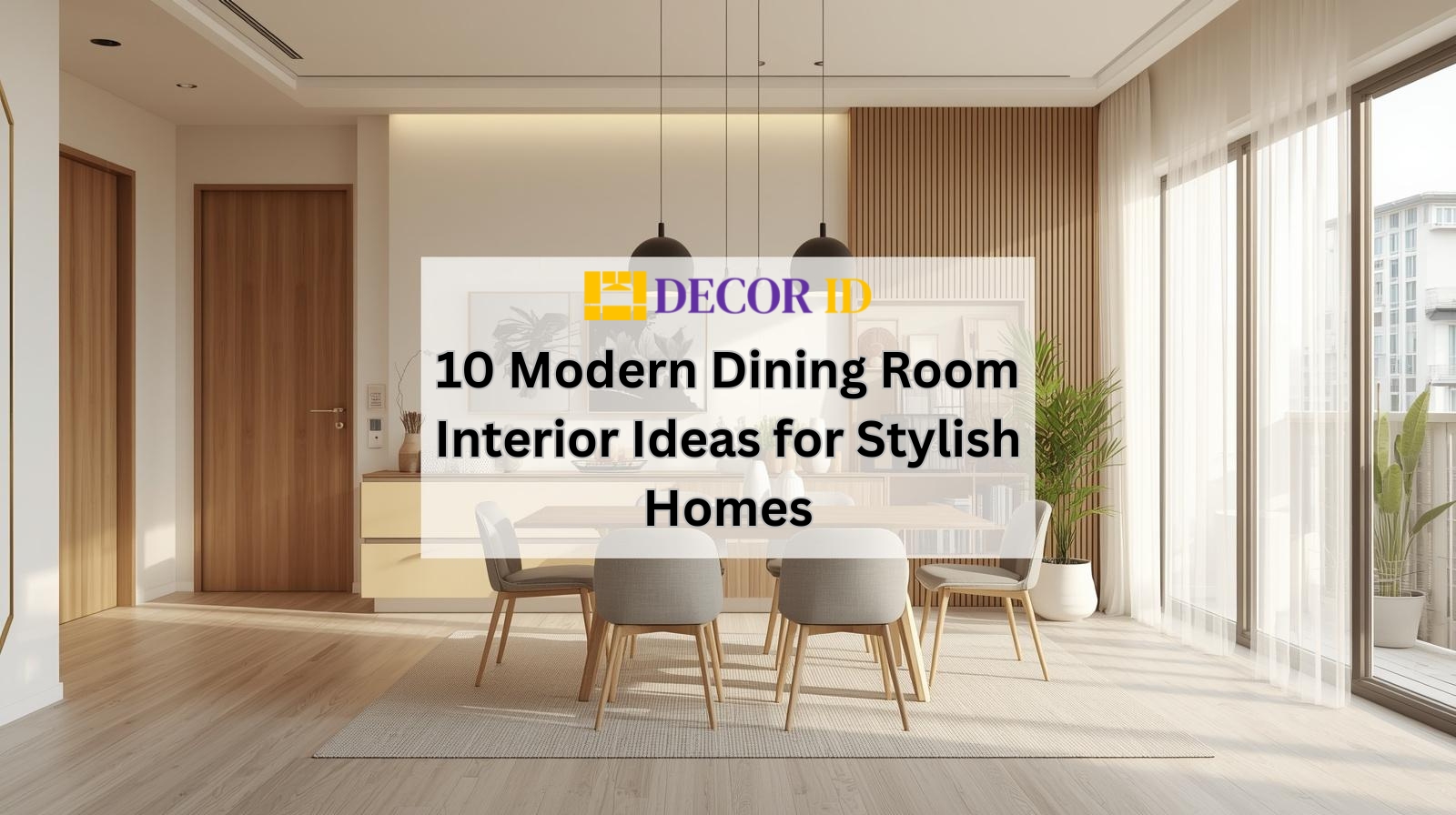
When apartment sizes continue to reduce and lifestyle expectations steadily rise, the dining room has evolved into a highly functional and emotionally important space within Indian homes. No longer limited to occasional meals, modern dining rooms now support daily family interactions, informal work sessions, celebrations, and social gatherings. As a result, thoughtful planning has become far more important than decorative styling alone.
Homeowners actively searching for a dining room interior designer in Patna are generally focused on usability, circulation clarity, durability, and long-term visual balance. In compact apartments, especially across tier-2 cities, the dining area must perform efficiently without feeling crowded or visually disconnected from adjoining zones.
Modern dining room interior design, therefore, demands a strategic approach that blends layout intelligence, ergonomic comfort, climate-appropriate materials, and seamless visual flow. The following ten dining room interior ideas are structured to work practically in Indian homes while supporting evolving lifestyle needs.
Why Modern Dining Room Design Needs Strategic Planning
In most Indian apartments, dining areas range between 80 and 150 square feet. Within this limited footprint, incorrect furniture sizing or poor circulation planning can quickly compromise comfort. Dining rooms must allow smooth movement, comfortable seating, and visual openness, even when space is restricted.
Professional dining room interior design typically prioritizes:
- Clear movement between kitchen and dining
- Comfortable seating posture
- Adequate lighting coverage
- Storage integration without bulk
- Long-term material durability
When these fundamentals are addressed early, the dining room feels spacious, functional, and visually calm without structural changes.
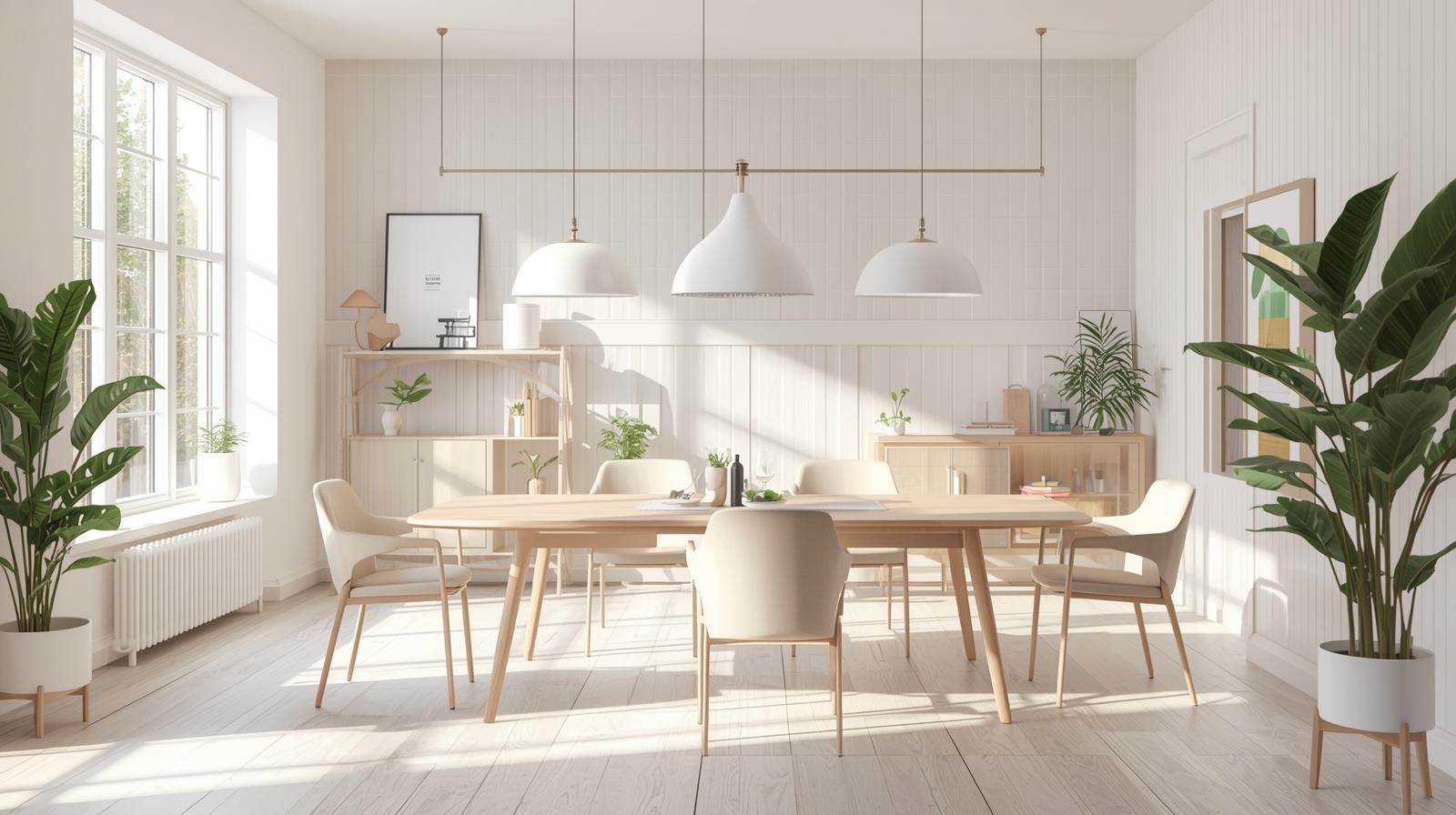
1. Space-Responsive Dining Layouts That Improve Circulation
Why Layout Is the Foundation of Dining Comfort
Congestion in dining rooms is usually caused by incorrect furniture placement rather than lack of space. Oversized tables, insufficient clearances, or blocked walkways can reduce usability significantly.
A circulation clearance of 900–1000 mm around the dining table is generally recommended to maintain comfort and ease of movement.
Layout Planning Principles
- Rectangular tables suit narrow dining zones
- Round tables improve flow in square rooms
- Bench seating saves space on one side
- Kitchen-adjacent placement improves functionality
Recommended Circulation Clearances
| Element | Ideal Clearance |
|---|---|
| Chair pull-out space | 450–500 mm |
| Walkway behind chairs | 900–1000 mm |
| Distance from wall | Minimum 900 mm |
| Table to storage unit | 1000 mm |
Correct layout planning can improve perceived spaciousness without increasing actual floor area.
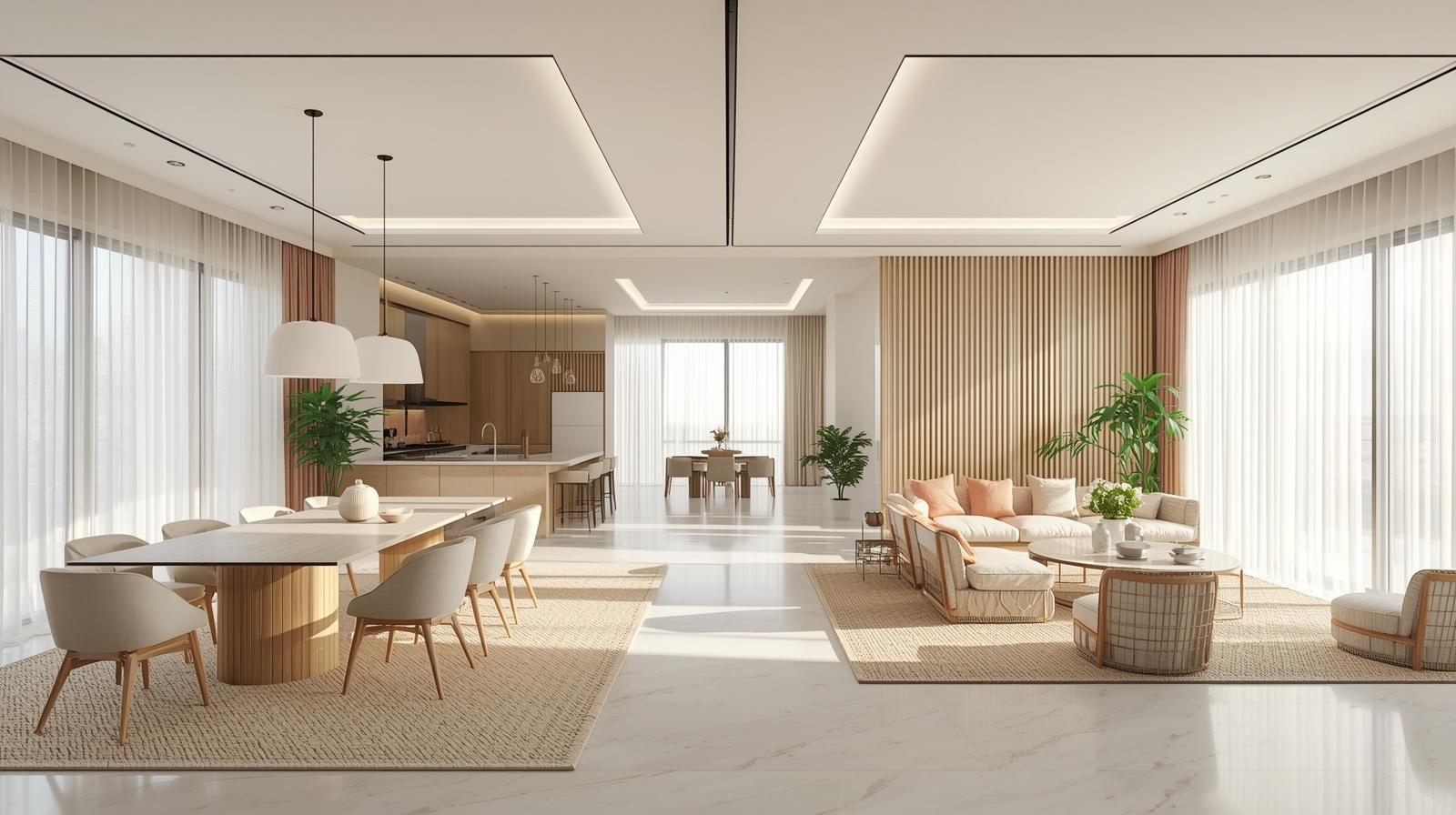
2. Open Dining Concepts for Visual Continuity
Integrating Dining With Living Spaces
Open dining concepts are widely preferred in compact homes as they reduce visual barriers and allow natural light to spread across zones. Many homeowners consult a dining room interior designer in Patna to plan seamless integration between dining and living areas using subtle zoning instead of walls. This approach maintains openness while ensuring functional clarity and balanced spatial flow across shared spaces.
Open Dining Advantages
- Enhanced daylight distribution
- Better social interaction
- Flexible seating arrangements
- Improved spatial flow
Open vs Closed Dining Spaces
| Aspect | Open Dining | Closed Dining |
|---|---|---|
| Light penetration | High | Limited |
| Space perception | Spacious | Boxed |
| Flexibility | High | Low |
| Visual continuity | Seamless | Segmented |
Open dining areas feel larger while maintaining functional separation through lighting and furniture alignment.
3. Right-Sized Furniture for Indian Dining Rooms
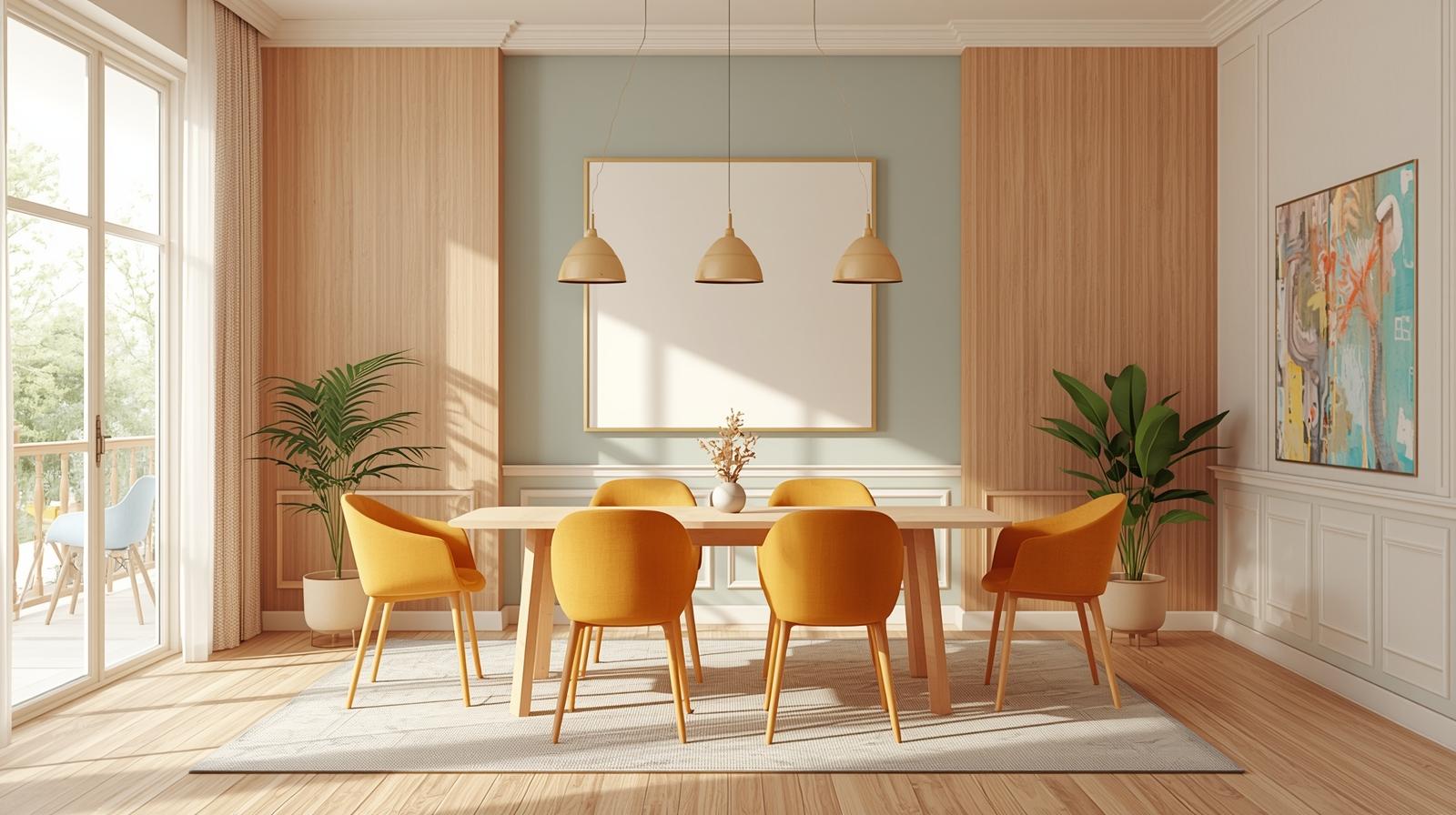
Furniture proportion plays a crucial role in dining room usability. Many homes experience congestion because furniture is selected based on appearance rather than scale.
A best interior designer in patna typically recommends furniture based on room dimensions, seating frequency, and circulation needs rather than showroom display sizes.
Furniture Sizing Guidelines
- Table width: 36–40 inches
- Chair width: under 20 inches
- Table height: 28–30 inches
- Slim legs instead of bulky bases
Right-sized furniture improves movement and visual comfort simultaneously.
4. Material Selection for Long-Term Performance
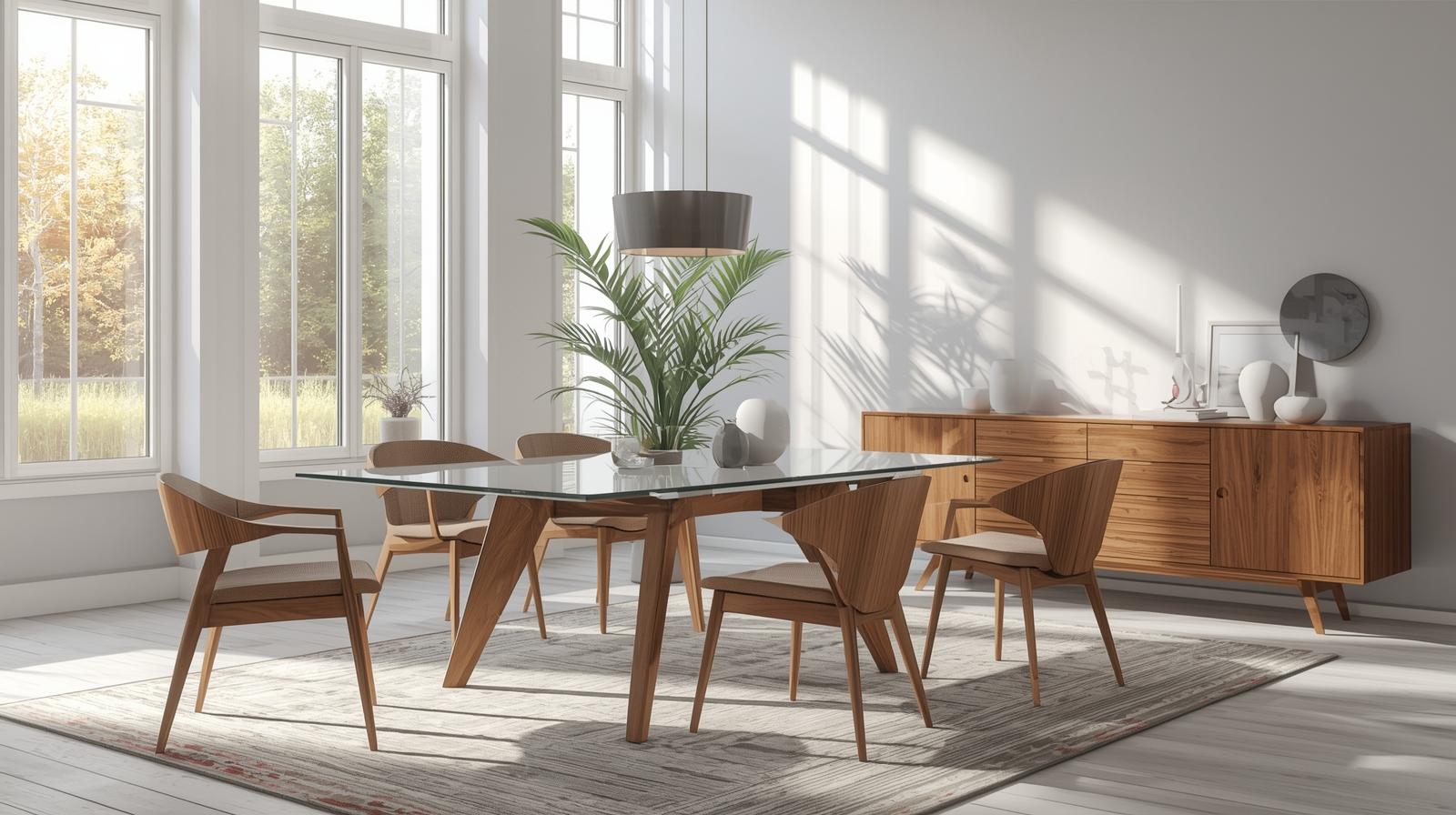
Why Dining Room Materials Matter
Dining spaces face daily wear, spills, humidity, and temperature variations. Selecting appropriate materials ensures longevity while reducing maintenance effort.
Suitable Materials for Indian Dining Rooms
| Component | Recommended Material | Benefit |
|---|---|---|
| Dining table | Engineered wood | Warp resistance |
| Flooring | Vitrified tiles | Easy maintenance |
| Storage shutters | Matte laminates | Scratch resistance |
| Seating upholstery | Treated fabric | Stain resistance |
Material planning improves durability without compromising aesthetics.
5. Lighting Strategies That Enhance Dining Experience
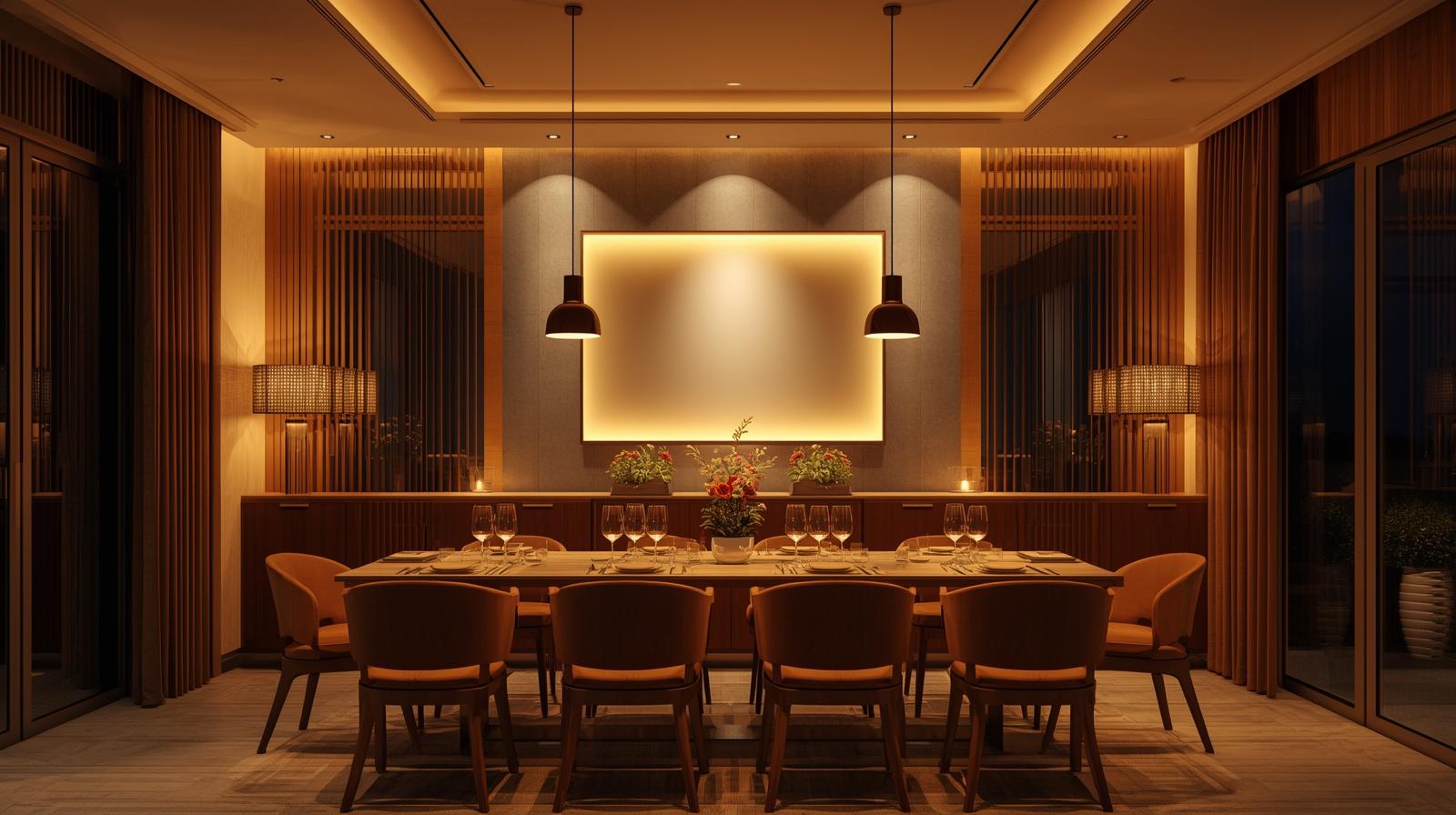
Lighting influences mood, appetite, and visibility. Single ceiling lights often create glare and uneven illumination, reducing comfort.
Layered Lighting Approach
- Pendant lights above dining table
- Cove lighting for ambient glow
- Wall lights for depth
- Warm light temperature for comfort
Layered lighting adds visual depth while supporting everyday dining activities.
6. Smart Storage Without Visual Bulk
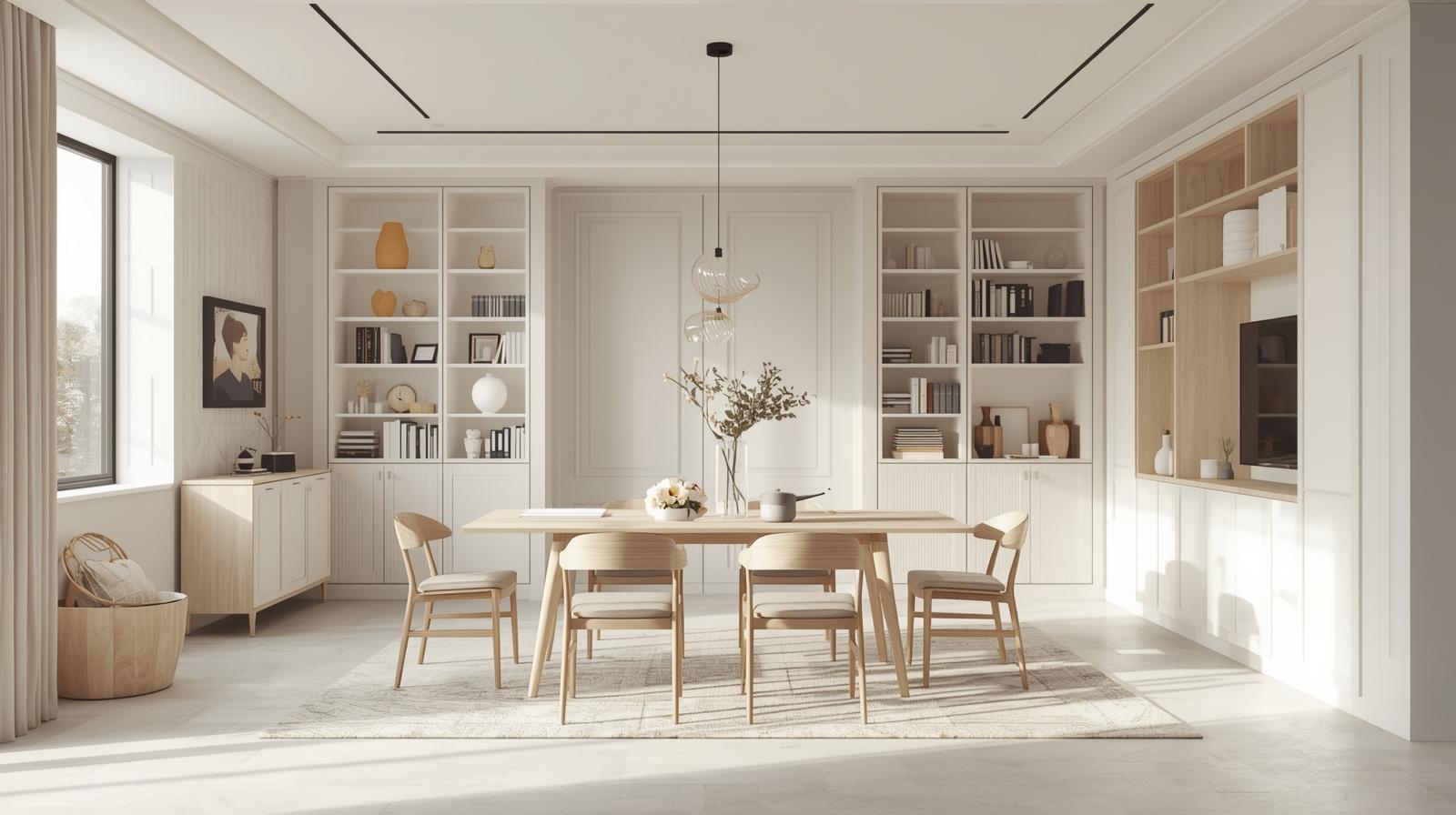
Dining rooms require storage for crockery, serveware, and table accessories. However, floor-standing cabinets often consume valuable space.
Efficient Storage Options
- Wall-mounted crockery units
- Floating sideboards
- Shallow-depth cabinets
- Built-in wall niches
Storage Types and Space Impact
| Storage Type | Floor Space Used | Visual Impact |
|---|---|---|
| Floor cabinet | High | Heavy |
| Floating unit | None | Light |
| Wall niche | None | Minimal |
| Shallow sideboard | Low | Balanced |
Vertical storage increases capacity while preserving openness.
7. Neutral Color Palettes With Subtle Accents
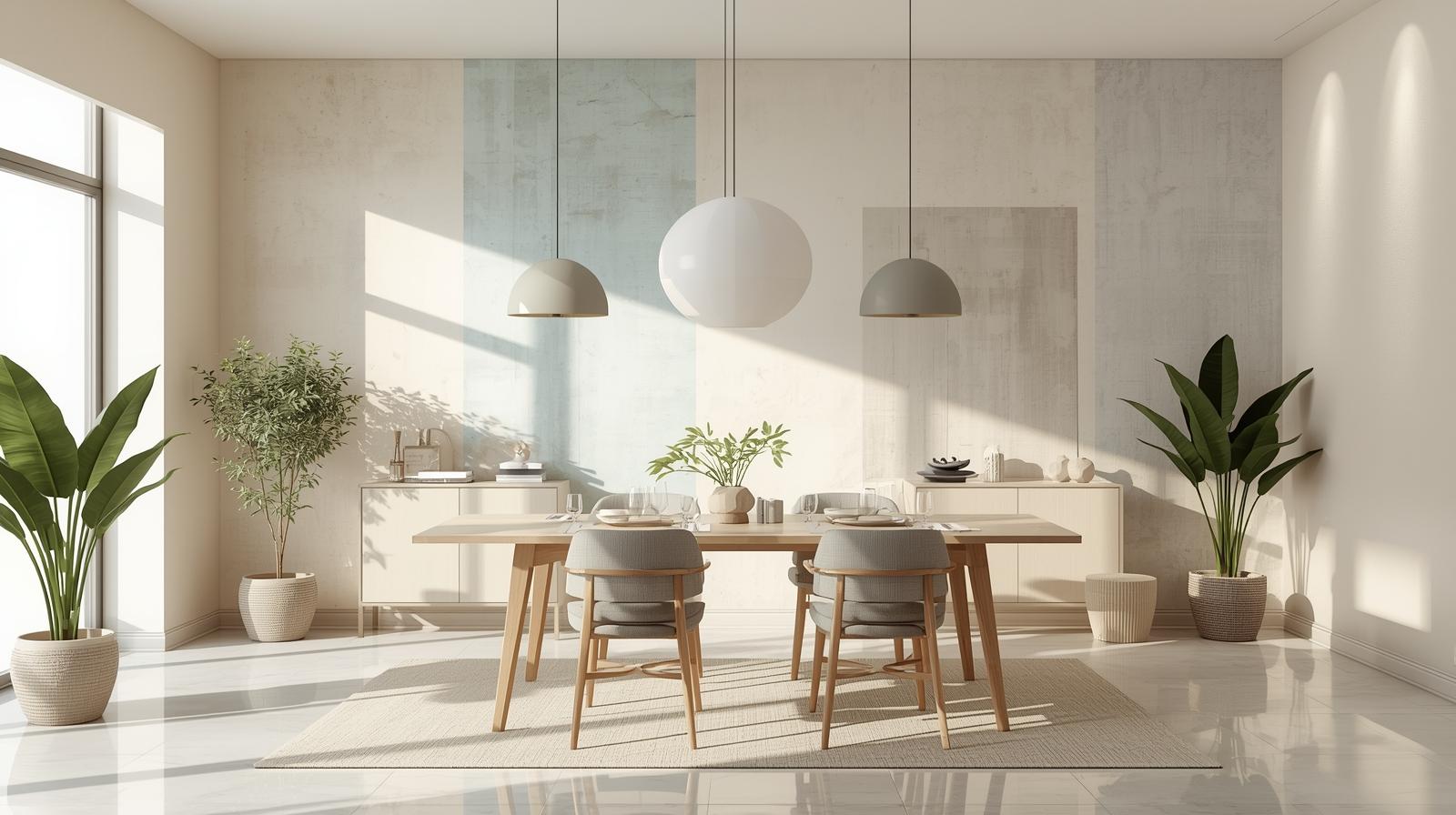
Color selection strongly affects spatial perception. Light, neutral shades help dining rooms feel open and calm, while controlled accents add character.
Preferred palettes include:
- Off-white with wood tones
- Beige and warm grey combinations
- Soft pastels with neutral bases
Dark shades are best limited to accent elements.
8. Ceiling Designs That Preserve Height
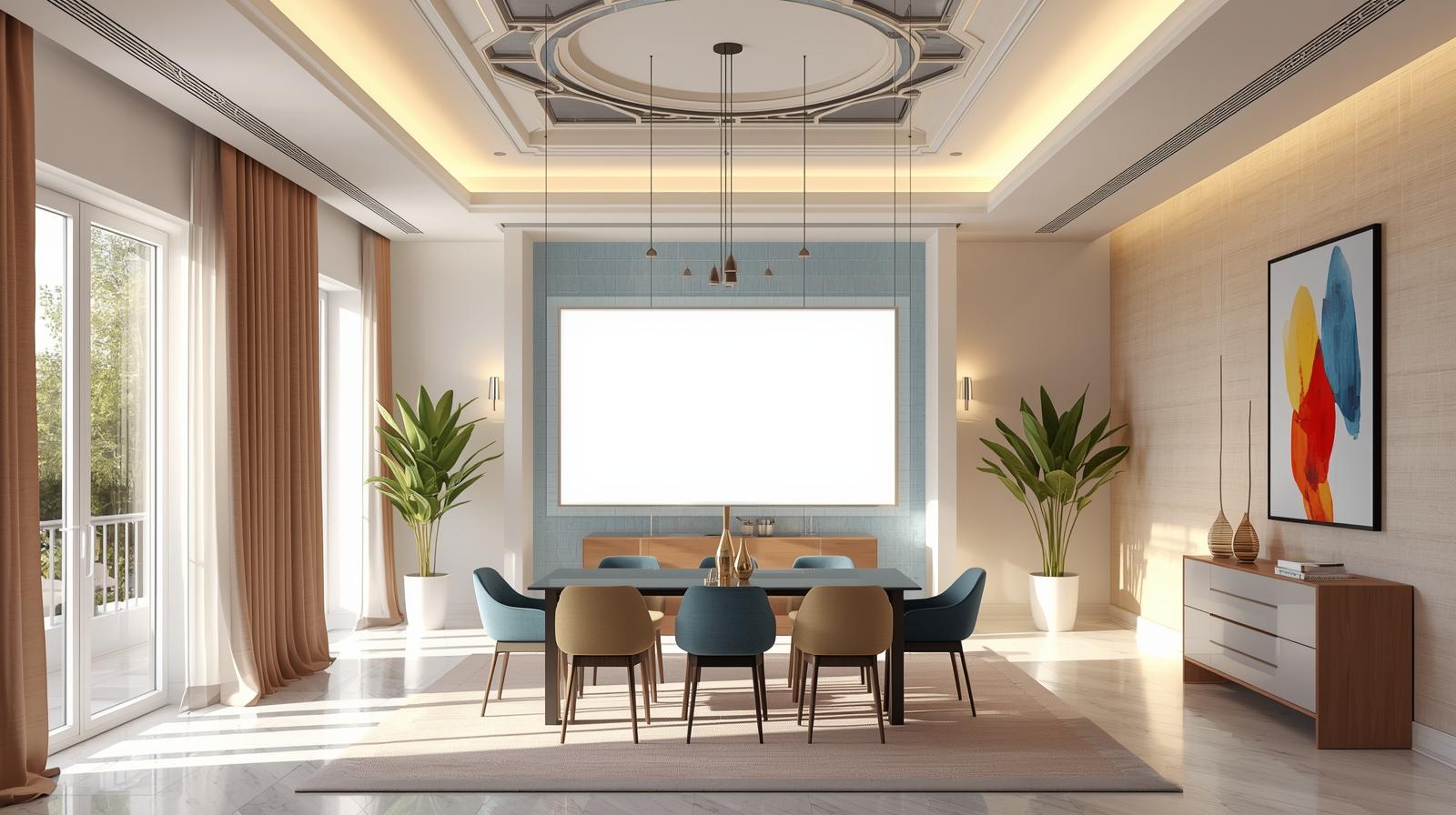
False ceilings must be planned carefully in dining rooms. Heavy designs can reduce perceived height and cause visual heaviness.
Light ceiling treatments include:
- Shallow cove lighting
- Minimal tray ceilings
- Flush-mounted fixtures
These options enhance design without lowering ceilings visually.
9. Multi-Functional Dining Room Planning
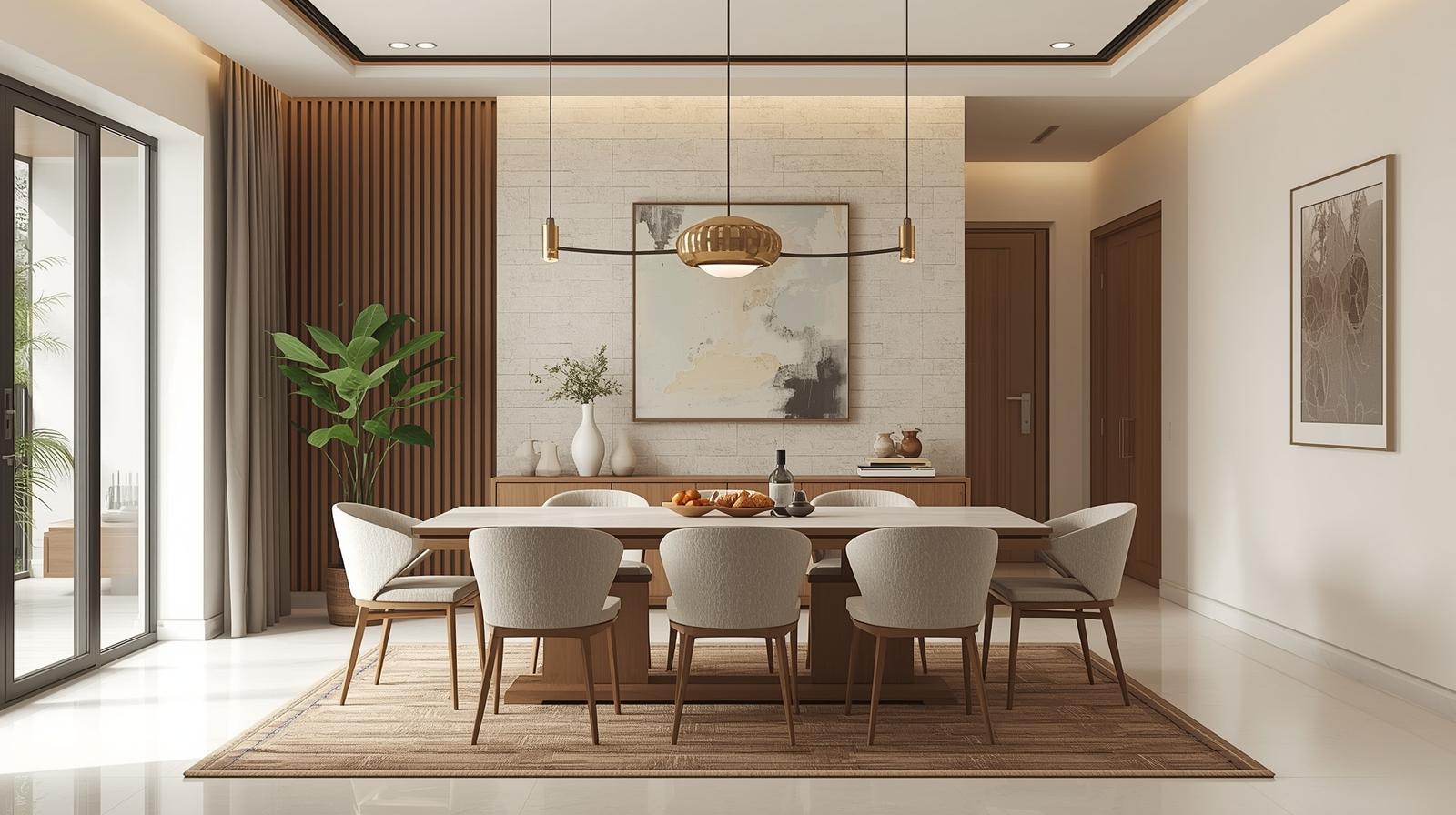
Modern dining rooms often double as:
- Work-from-home zones
- Study areas
- Homework spaces
- Casual meeting spots
Functional Enhancements
- Extendable dining tables
- Comfortable upright seating
- Adjustable lighting intensity
- Accessible power points
Such flexibility increases daily usability.
10. Climate-Responsive Dining Room Design
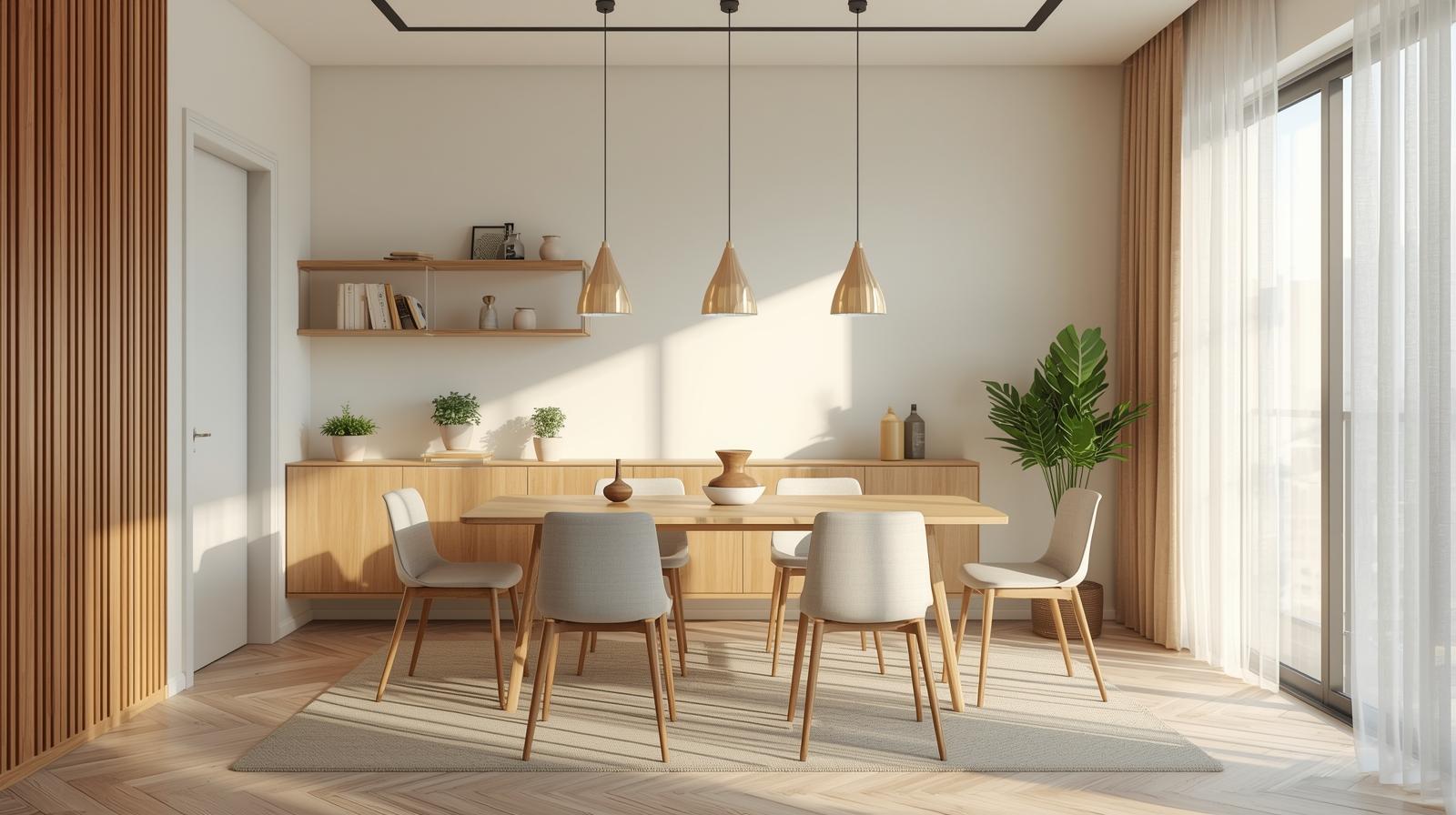
Indian climate conditions demand moisture-resistant materials and breathable finishes to maintain comfort and longevity.
Climate-Smart Measures
- Moisture-resistant boards
- Easy-clean surfaces
- Breathable upholstery
- Adequate ventilation
These features protect dining spaces from long-term damage.
Impact of Dining Room Design on Property Value
Well-planned dining room design plays a meaningful role in overall property perception. Functional layouts, balanced lighting, and integrated storage enhance visual appeal and usability. Homes featuring thoughtfully designed dining spaces often attract quicker buyer attention, create a sense of completeness, and help reduce resale negotiation margins in competitive residential markets.
Common Dining Room Design Mistakes to Avoid
- Oversized dining tables restricting movement
- Dark color schemes in small rooms
- Improper lighting causing glare
- Excessive decorative elements
- Ignoring storage requirements
Avoiding these mistakes improves long-term comfort and visual balance.
When Professional Planning Becomes Necessary
As apartment layouts become more compact and lifestyle demands grow, professional planning becomes essential for accuracy and comfort. Many homeowners consult a dining room interior designer in Patna to achieve proper ergonomics, efficient furniture placement, balanced lighting, and visually cohesive dining spaces without layout errors or future usability issues.
Conclusion
Modern dining room interior design emphasizes functionality, comfort, and long-term adaptability rather than visual decoration alone. When layouts are planned carefully, circulation improves and everyday dining becomes more comfortable. The use of appropriate materials ensures durability, while balanced lighting enhances mood and usability. Smart storage solutions help maintain order without occupying excess space. Together, these elements allow dining rooms to support daily family routines, accommodate occasional gatherings, and contribute positively to overall home usability, visual harmony, and long-term residential value.
FAQs
1. What dining table size works best for compact homes?
Dining tables under sixty inches help maintain clear circulation paths, allow smooth chair movement, prevent overcrowding, and ensure visual balance in compact dining rooms without compromising everyday seating comfort.
2. Can dining and living rooms be combined effectively?
Yes, combined dining and living areas feel open and flexible when zones are defined through furniture placement, lighting layers, and consistent materials, improving light flow, movement efficiency, and daily usability.
3. Which lighting type suits dining rooms most?
Warm pendant lights paired with ambient lighting provide balanced brightness, reduce glare, enhance mood, improve food presentation, and create a comfortable dining atmosphere suitable for everyday meals and social gatherings.
4. Is wall-mounted storage practical for dining rooms?
Wall-mounted storage is practical because it increases storage capacity, frees floor space, improves circulation, reduces visual heaviness, and keeps dining areas organized, accessible, and easier to clean regularly.
5. Does dining room design influence resale value?
Yes, well-designed dining rooms with functional layouts, modern finishes, and good lighting increase buyer confidence, improve visual appeal, reduce negotiation margins, and help properties sell faster.